

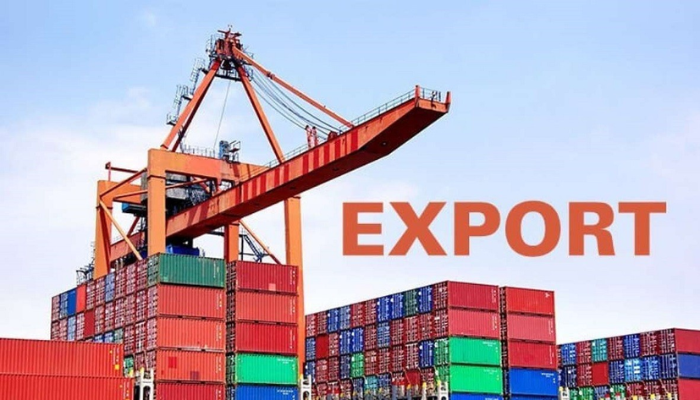
The Manufacturers Association of Nigeria Export Promotion Group (MANEG) has announced an ambitious two-year strategic plan designed to help local manufacturers—particularly small and medium-sized enterprises—navigate and access government-backed export incentives that remain largely untapped due to limited awareness.
The group unveiled its 2026/2027 strategic roadmap with a clear objective: strengthen Nigeria’s export competitiveness, accelerate manufacturing sector growth, and position Made-in-Nigeria products for broader penetration into African and global markets. The announcement marks a renewed commitment to transforming Nigeria’s non-oil export landscape.
Bridging the Awareness Gap
Speaking at the unveiling, Ruth Owojaiye, the newly appointed Chairman of MANEG, identified a critical barrier to export growth: many manufacturers are simply unaware of the export incentives available to them or how to access them. She noted that despite the existence of favorable policies, limited knowledge of eligibility requirements and application processes has rendered these incentives largely ineffective.
“An incentive can only create economic value when businesses understand how to access and deploy it effectively. Our objective is to bridge the gap between policy availability and practical business utilization,” Owojaiye stated.
To address this, MANEG will roll out a series of industry engagements, knowledge-sharing sessions, and practical guidance initiatives designed to demystify the application process and help businesses maximize available opportunities.
Four Pillars of the 2026/2027 Strategy
The group’s strategic roadmap is built on four core pillars:
-
Improved awareness and utilization of export incentives – Ensuring businesses understand and access available government support.
-
Strengthening strategic engagements – Deepening collaboration with government institutions, financial organizations, regional trade bodies, and development partners.
-
Improving access to export finance – Addressing the critical funding gap that hinders technology upgrades, production expansion, international certifications, improved packaging, logistics, and market development.
-
Building export capacity – Equipping manufacturers with the skills needed to meet international quality standards, comply with export requirements, and compete effectively in global markets.
Finance: The Persistent Barrier
Owojaiye identified access to finance as a major obstacle to export growth, noting that manufacturers require substantial capital for critical investments. She emphasized that without adequate funding for technology upgrades, production scaling, and international certifications, Nigerian manufacturers cannot achieve the competitiveness needed to succeed abroad.
“The manufacturers that will succeed globally are those that understand market expectations, embrace innovation, and continuously improve their processes. Export readiness is a journey of constant learning and transformation,” she remarked.
