

The Central Bank of Nigeria (CBN) revoked the operating licences of 46 microfinance banks in July 2026, effectively shutting down their operations. The affected institutions are no longer authorised to provide financial services, leaving depositors with urgent questions about the safety of their funds.
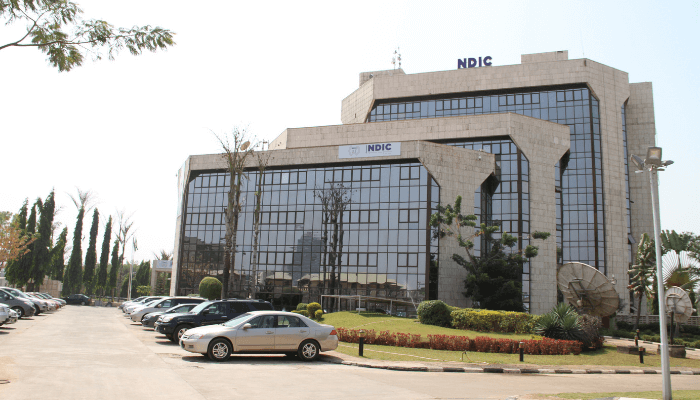
The Nigeria Deposit Insurance Corporation (NDIC) has stepped in as the official liquidator and has already commenced paying eligible depositors.
What Happened and Why
The CBN acted under Sections 12 and 13 of the Banks and Other Financial Institutions Act (BOFIA), 2020, citing multiple regulatory breaches. According to the CBN, the affected banks had:
-
Insufficient assets to cover liabilities
-
Shut down operations without the CBN’s approval
-
Failed to commence operations within 12 months of receiving their licence
-
Failed to maintain the required minimum capital
Under CBN rules, the minimum capital requirement ranges from N50 million for a smaller unit microfinance bank to N5 billion for one licensed to operate nationally. Many of the failed institutions simply could not meet these thresholds.
What Happens to Customers’ Money?
The NDIC insures deposits in licensed banks. According to the Corporation, it has taken control of the 46 banks, begun verifying depositors, and started paying the guaranteed sums to eligible customers.
The NDIC insures each depositor for up to N2 million per microfinance bank. By law, this insured amount is supposed to be paid within 30 days of the NDIC becoming liquidator.
Automated Payment Process
The NDIC has introduced an automated reimbursement process through a partnership with the Nigeria Inter-Bank Settlement System (NIBSS). Depositors with valid Bank Verification Numbers (BVN) will receive payments automatically into their alternative bank accounts without needing to file claims.
For depositors who had more than the insured N2 million limit, any additional payment would depend on money recovered from the failed bank’s assets and outstanding loans.
The Bigger Picture
This is not the first time the CBN has taken such action. In May 2023, it revoked the licences of 132 microfinance banks. The recurring revocations point to deeper weaknesses in the sector, including poor risk management and low capitalisation.
Professor Emeka Okereke of the University of Port Harcourt advised customers to rely only on verified information from official sources and avoid dealing directly with the failed banks.
How to Check If a Bank Is Safe
Before banking with any financial institution:
-
Check the CBN’s official list of licensed microfinance banks
-
Confirm NDIC coverage using their directory or verification tool
-
*Dial 959# on your mobile phone to verify a bank directly from the CBN database
-
Watch for announcements from both the CBN and NDIC
Important Security Warning
Several fake loan scam pages have been detected impersonating legitimate banks in Nigeria. These fraudulent pages ask for sensitive details like bank card numbers and PINs. Official banks will never request such information. Always rely on verified channels.
