

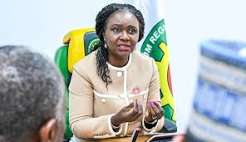
Nigeria’s goal to double its crude oil production to 3 million barrels per day (bpd) by 2030 remains on track, driven by faster regulatory approvals, tax incentives, and a surge in indigenous participation.
According to Mrs. Oritsemeyiwa Eyesan, Chief Executive of the Nigerian Upstream Petroleum Regulatory Commission (NUPRC), key structural enablers—such as streamlined licensing, faster sales processes, and fiscal waivers introduced under President Bola Tinubu—are accelerating investment across the upstream sector.
Key Milestones in the 3 Million BPD Push
-
Four-Year Production Peak: Crude oil output reached an average of 1.56 million bpd in June 2026 (1.735 million bpd including condensates)—the highest monthly output level recorded since April 2020.
-
Indigenous Dominance: Nigerian-owned companies now account for roughly 60% of total national oil production, having acquired onshore and shallow-water assets divested by international oil majors.
-
ExxonMobil & Local Explorers Ramp Up: Growth momentum is being boosted by fresh investments, including ExxonMobil’s planned drilling at a 40,000 bpd field starting in August 2026, alongside recent discoveries by indigenous firm Renaissance Africa Energy.
-
Licensing Round Progress: The ongoing 2025/2026 licensing round for 37 oil blocks is projected to add 500 million barrels to national reserves and unlock an additional 300,000 bpd within three years.
Reactivating Old Wells vs. Unlocking New Deepwater Resources
While the recent production rebound has been welcomed, industry experts note that the country still faces a major hurdle to reach its 2030 target:
| Current Growth Drivers (Short-to-Medium Term) | Requirements for 3 Million BPD Target (Long-Term) |
| Well Reactivations: Restarting shut-in, mature wells capitalising on strong global crude prices. | Frontier Exploration: Unlocking untapped deepwater offshore blocks that require heavy capital. |
| Pipeline Security: Improved protection along key trunklines reducing crude theft. | International Independents: Attracting major global players with scale and advanced offshore tech. |
| Faster Permitting: NUPRC cutting administrative delays for project sanctions. | Infrastructure Modernization: Replacing aging pipeline networks to handle double the current volume. |
“For the nation to improve its production, it needs new development in companies drilling and bringing new resources into production,” noted Oliver Onyekweli, West African energy leader at McKinsey & Co., emphasizing that reactivating mature fields alone will not be enough to bridge the remaining 1.4 million bpd gap.
