

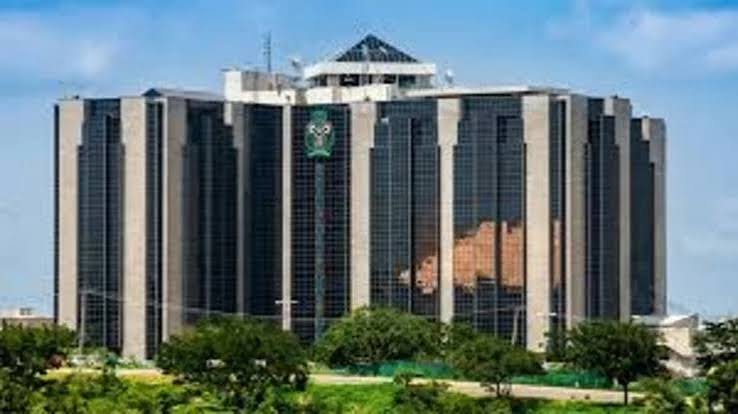
Nigerian manufacturers and business owners heading into the Central Bank of Nigeria’s (CBN) Monetary Policy Committee (MPC) meeting are caught between a urgent need for cheap credit and the realities of global macroeconomic instability.
According to a recent CBN Inflation Expectations Survey, 61.1% of Nigerians favor a reduction in interest rates to relieve pressure on local industries. However, top economists and policy analysts warn that geopolitical conflicts in the Middle East make monetary easing nearly impossible for the time being.
Key Insights from Top Economists & Business Leaders
1. Dr. Muda Yusuf (CEO, Centre for the Promotion of Private Enterprise – CPPE)
-
Expectation: Policy Hold at 26.5%.
-
The Driver: The escalation of the US-Iran conflict has driven global oil prices above $84 per barrel, creating fresh inflationary risks.
-
Quote:
“What I expect is a hold because it is possibly too soon to relax the MPR because of the current geopolitical issues… Although I don’t mind a rate cut because interest rates are too high, given prevailing global conditions, people hoping for a rate cut should exercise more patience.”
2. Leye Kupoluyi (President, Lagos Chamber of Commerce and Industry – LCCI)
-
The Business Dilemma: High interest rates remain a primary driver of soaring production costs for local manufacturers.
-
The Impact: Lower rates would allow companies to access long-term capital instead of relying on expensive short-term bank credit that eventually gets passed down to consumers.
3. Prof. Akpan Ekpo (Professor of Economics, University of Uyo)
-
Expectation: Rate Maintenance.
-
Warning: If geopolitical tensions continue to push up energy and import costs, domestic inflation could rebound. In that scenario, the CBN might be forced to consider further rate hikes rather than cuts.
4. Dr. Ayo Teriba (CEO, Economic Associates)
-
Data-Driven View: While headline inflation has hovered around 15% for six months alongside exchange rate stability, the MPC will ultimately base its call on granular balance-of-payments data and liquidity forecasts.
The Rate Dilemma: Growth vs. Inflation
| Case for Rate Reduction (Private Sector) | Case for Policy Hold (Economic Experts) |
| High Borrowing Costs: 26.5% benchmark rate pushes commercial lending rates above 30%. | Global Energy Shocks: Crude oil climbing past $84/barrel raises imported energy inflation. |
| Manufacturing Strain: Factories struggle with high financing and operational expenses. | Geopolitical Instability: US-Iran conflict creates volatile global financial markets. |
| Job Creation: Cheaper credit encourages expansion, hiring, and SME sustainability. | Disinflation Defense: Premature rate cuts could undermine recent progress in stabilizing the Naira. |
