

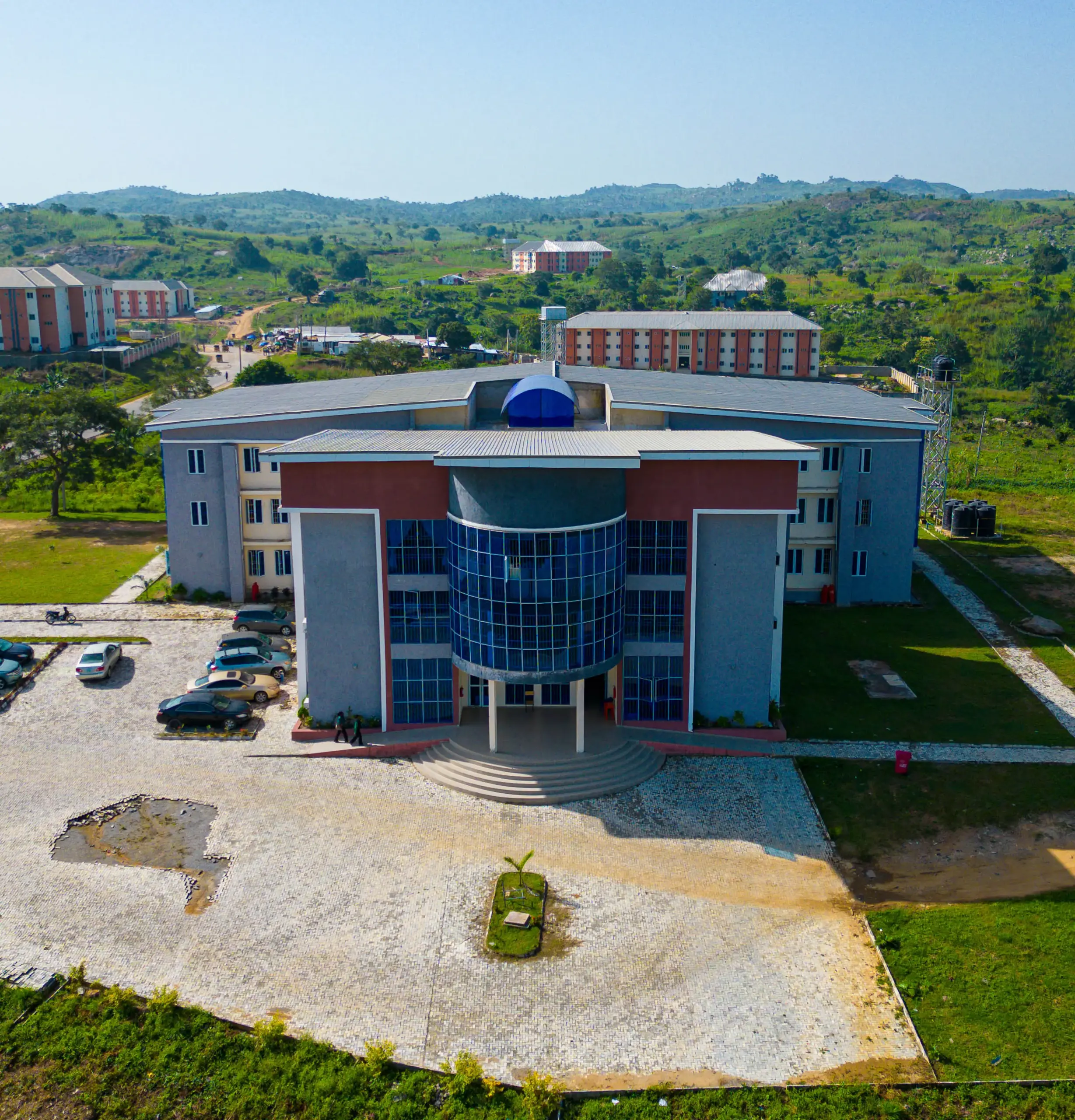
In a major push to bridge the gap between academic qualifications and industry demands, Veritas University, Abuja, has commenced construction on a ₦1.3 billion Creative and Skills Hub.
The multi-disciplinary facility, targeted for completion by the end of January, is designed to serve as a central incubation center where students across all faculties can develop practical vocational, digital, and entrepreneurial talents.
Redefining Higher Education: Skills over Paper Degrees
Speaking on the initiative, the Vice-Chancellor of Veritas University, Prof. Hyacinth Ichoku, stressed that academic certificates alone are no longer sufficient in today’s global economy:
“In Veritas, we do not just give students certificates; we also equip them with skills. Skill is the key thing today. If you are a student today and you do not have a skill beyond your certificate, you are going to be in real serious trouble. Tomorrow belongs to people with skills.”
Core Features of the Veritas Skills Strategy
-
Global IT Certifications: Through formal partnerships with global technology giants Cisco and Microsoft, every student passing through the university receives internationally accredited professional certifications alongside their degree.
-
24/7 Innovation Culture: The new hub will feature round-the-clock creative spaces, allowing students studying various disciplines—including Medicine, Nursing, and Law—to build software tools, hardware prototypes, and business solutions.
-
Annual Skills Boot Week: The institution hosts an annual mentorship week drawing tech experts, innovators, and entrepreneurs from Nigeria, broader Africa, and the United Kingdom.
-
Private Philanthropy Support: Philanthropist Dr. Josephat Okoye has already contributed over ₦200 million toward the building’s realization, citing the institution’s commitment to moral and academic excellence.
Addressing the Employability Deficit
The project aligns directly with the Federal Ministry of Education’s broader push to expand Technical and Vocational Education and Training (TVET) across Nigerian tertiary institutions.
With data from the National Bureau of Statistics (NBS) highlighting persistent youth underemployment, integrating practical digital literacy, engineering, and entrepreneurial training directly into university coursework is increasingly viewed as the most sustainable route to reducing graduate unemployment nationwide.
