

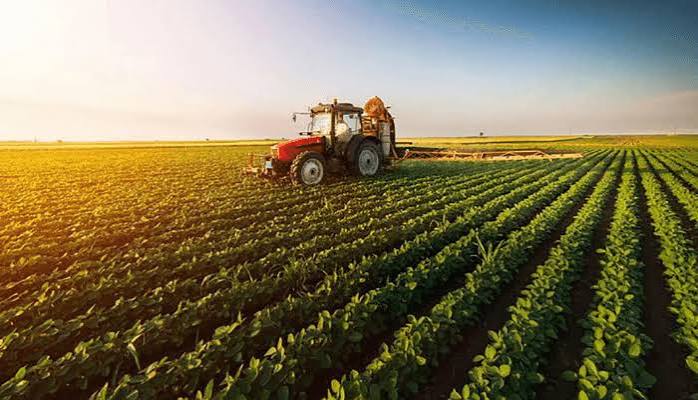
American soybean producers are pitching knowledge sharing and sustainable technology as the solution to Nigeria’s growing animal protein deficit.
Speaking during an agricultural trade mission to Nigeria, North Dakota farmer Dawn Pulskamp emphasized that U.S. agricultural exporters are seeking collaboration rather than direct competition with local farmers. By sharing modern soil management techniques, precision technology, and post-harvest handling strategies, the goal is to help Nigerian feed millers, poultry producers, and fish farmers expand local agribusiness operations.
How 114-Year-Old Farm Practices Drive Low-Carbon Soy
Pulskamp—whose family farm was established in 1912—explained that keeping U.S. soybeans at a globally low carbon footprint relies on long-term soil conservation and digital farming tools:
-
Cover Crops for Wind Control: Planting off-season cover crops holds soil in place against high regional winds (up to 70 mph / 113 km/h), preventing topsoil erosion and preserving soil organic matter.
-
GPS & Precision Agriculture: Using satellite-guided tractors reduces unnecessary field passes, cutting fuel consumption and minimizing soil compaction.
-
Agricultural Drones: Deploying targeted drones for spot crop protection replaces heavy spraying machinery, further lowering operational emissions and chemical runoff.
Tackling Post-Harvest Loss: Storage & Humidity Challenges
A major bottleneck for Nigerian farmers is post-harvest loss, where humid conditions cause grain spoilage, mold, and pest infestations shortly after harvest.
While acknowledging that North Dakota’s dry climate provides a natural advantage, Pulskamp noted that adapting airtight, moisture-controlled storage bins and low-cost drying techniques can help Nigerian grain handlers significantly reduce losses and maintain long-term product consistency.
