

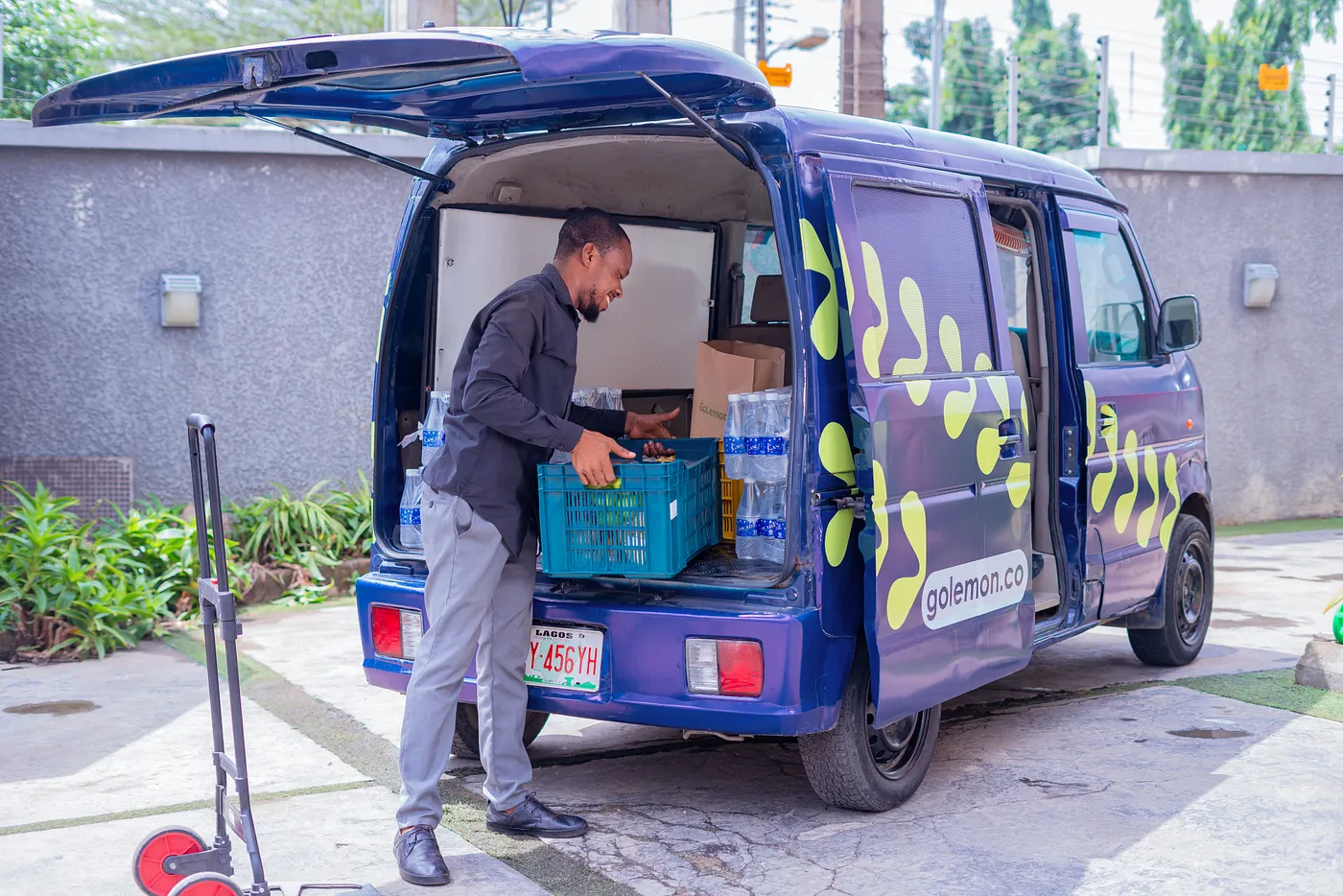
GoLemon, the Nigerian on-demand grocery delivery startup founded by ex-Paystack employees, has officially pulled the plug on its operations a mere two years after its grand entrance. The company becomes the newest casualty in Nigeria’s notoriously unforgiving food delivery landscape.
The startup broke the news in an official statement, attributing the closure to a failure to raise fresh capital despite exhaustive efforts to keep the wheels turning.
“We gave it everything we had, but the funding just didn’t materialize in time to sustain the business,” the company said in its announcement.
A Bold Entry into a Shrinking Market
GoLemon burst onto the scene with a clear mission: simplify grocery shopping for Nigeria’s urban dwellers through speedy, on-demand delivery. The timing, however, was far from ideal. The startup launched right as industry heavyweights like Jumia Food and Bolt Food were retreating from Nigeria’s food delivery space—a red flag that many would have heeded.
But the founders were undeterred. At launch, co-founder Abdulrahman Jogbojogbo expressed confidence that there was still room to carve out a sustainable niche. “It’s tough gaining traction right now, but if we can ride out this storm, I believe we’ll emerge with something formidable,” he had said optimistically.
A Troubling Trend
GoLemon’s exit comes just weeks after FoodCourt, another Nigerian food-tech platform, temporarily suspended operations, also citing fundraising woes as a primary factor. The back-to-back closures underscore a deepening crisis in the sector.
The Math Just Doesn’t Add Up
On the surface, Nigeria’s food and grocery delivery market looks like a goldmine—a ballooning urban population, surging smartphone adoption, and a growing appetite for convenience. Yet beneath the glossy exterior lies a brutal economic reality.
These businesses operate on razor-thin margins while wrestling with skyrocketing logistics expenses, relentless inflation, and a customer base that remains fiercely price-sensitive. Without massive scale or a steady stream of external funding, profitability remains an elusive dream.
A Growing Graveyard of Failed Ventures
GoLemon’s demise adds its name to a lengthening list of startups that have crumbled under the weight of Nigeria’s food delivery economics. While consumer demand for delivery services continues its upward trajectory, the recent spate of exits and operational pauses suggests that converting that demand into a durable, venture-backed enterprise remains one of the sector’s most formidable puzzles.
