

The sharp funding slowdown hitting Africa’s digital economy has sparked urgent calls for a shift from institutional venture capital firms to early-stage angel investor networks.
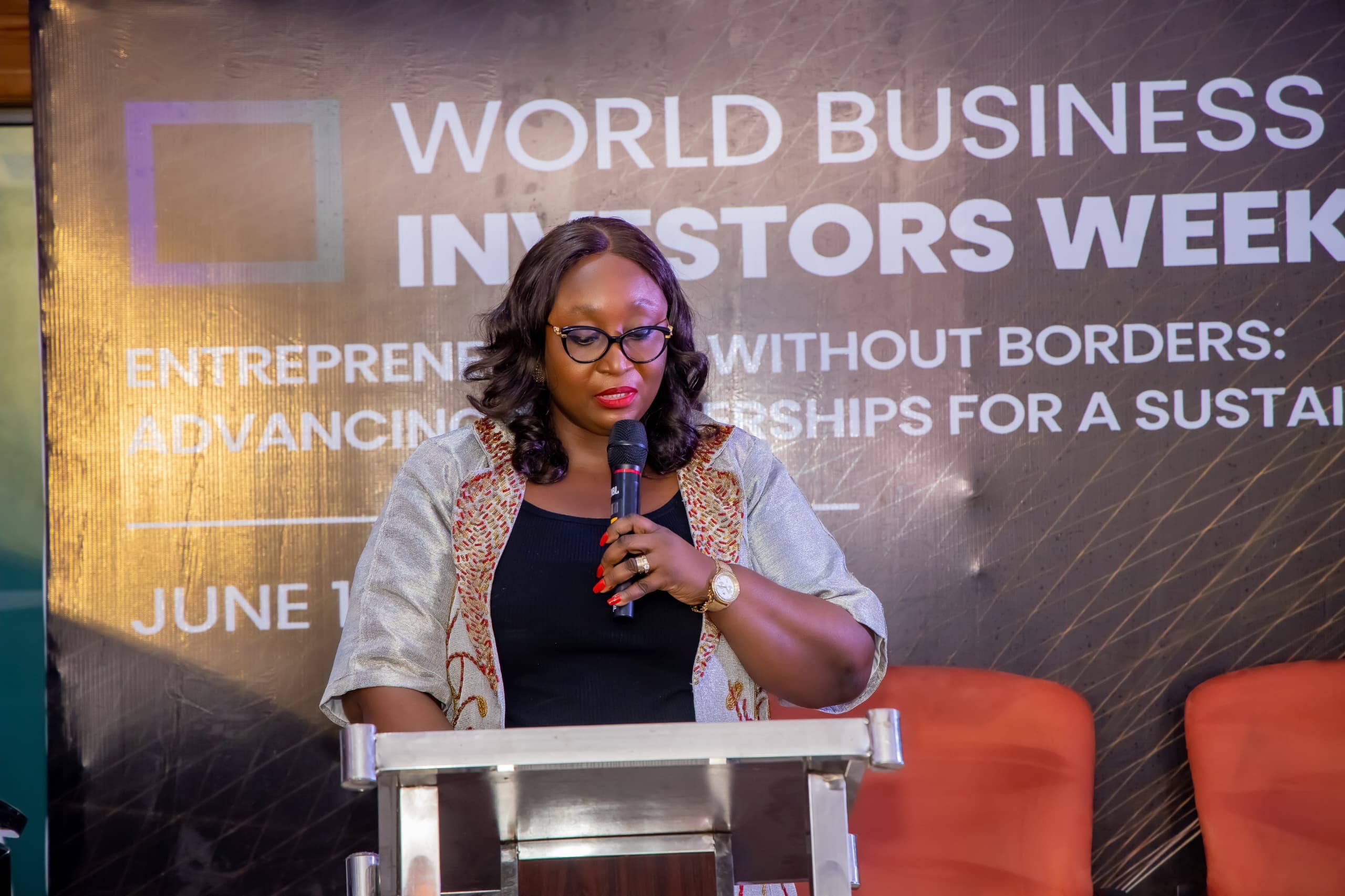
At the World Business Angels Investors Week 2026 summit in Lagos, international finance experts argued that structured angel syndicates are now essential to protect tech startups from capital shortages and help them expand into global markets.
The conference, themed “Entrepreneurship Without Borders: Advancing Partnerships for a Sustainable Future,” highlighted a sobering reality for local tech founders. Data presented by Mrs. Goodness Alabi, Head of Programmes and Trade Missions at the World Trade Centre Abuja, revealed that startup funding in Nigeria dropped 17% year-on-year to $333 million in 2025—marking the lowest total capital inflow since 2019.
High Deal Counts vs. Scale Obstacles
Despite the severe drop in total dollar value, the report showed that Nigeria remains Africa’s most active tech market by sheer volume. In 2025, 86 local startups successfully closed seed rounds of at least $100,000, giving the country the highest overall deal count on the continent.
Alabi explained that while local founders are highly innovative, they face a severe lack of long-term expansion capital. She urged a greater focus on cross-border angel investments, noting that early-stage funders provide more than just money.
By offering industry expertise and global connections, angel networks make it much easier for startups to navigate foreign regulations, secure international partnerships, and export their digital products beyond local borders.
Transforming Innovation Hubs via Modern Financing
The summit also addressed the specific tech sectors that continue to attract investor interest despite the wider economic slowdown. Dr. Rosaline Amangbo, Country Chair of WBAF Nigeria, noted that fintech, agritech, health tech, and digital retail services remain the primary drivers of financial inclusion across the continent.
Amangbo called on regulators to design flexible, updated financial rules that encourage equity crowdfunding and angel syndication. This perspective was backed by WBAF Global Chairman, Mr. Baybars Altuntas, who warned that a lack of early-stage mentorship and clear financing paths continues to choke off promising startups across emerging markets.
International Alliances and Ecosystem Resiliency
The role of international diplomacy in building local tech hubs was a key topic during the final panel. Mr. Opeyemi Oriniowo, Senior Policy Adviser for Economic Affairs at the Netherlands Consulate General in Lagos, reminded attendees that modern innovation, capital, and talent move globally, making international investment alliances highly valuable.
WBAF Nigeria Event Director, Ms. Wofai Samuel, closed the session by emphasizing that long-term economic development relies heavily on active collaboration between local founders and foreign capital networks.
Historically, West African startups have relied too much on large, institutional foreign venture funds, leaving them exposed when global interest rates rise and international fund managers pull back from emerging markets.
By building a strong network of domestic and cross-border angel investors, the tech ecosystem can establish a more stable, reliable source of early-stage financing. This structural change helps protect young firms from cash shortages, allows them to scale sustainably, and ensures that local innovation continues to drive job creation and digital transformation across the sub-continent.
