

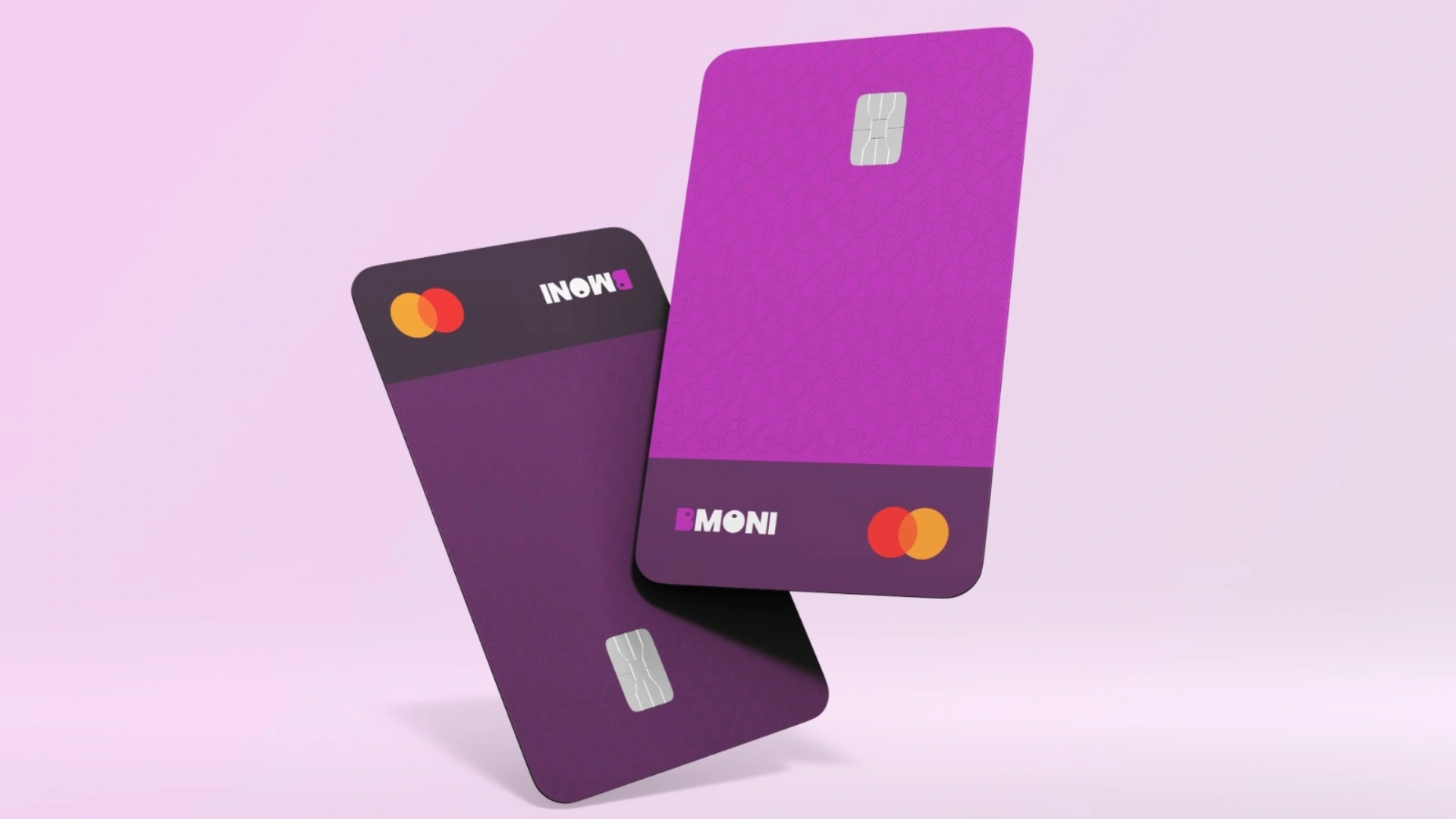
Global payment infrastructure giant Mastercard has finalized a strategic collaboration with BMONI, an AI-driven digital financial platform, to roll out a new generation of physical and virtual card programs in Nigeria. Built upon Mastercard’s newly optimized fintech card issuance frameworks, the solution allows users to spin up multiple Naira (NGN) and US Dollar (USD) denominated payment rails instantly.
The initiative directly addresses a chronic friction point for Nigerian consumers and remote professionals: the persistent difficulty of processing international web checkouts, cloud subscriptions, and cross-border transactions due to local traditional banking card limits.
1. Structural Mechanics of the Multi-Currency Wallet Matrix
The technical architecture of the BMONI-Mastercard partnership enables users to bypass the traditional lag times associated with physical card acquisition. Managed entirely via an application-based interface, the platform offers automated card lifecycle management:
-
Instant Digital Provisioning: Virtual card profiles are generated, tokenized, and tied to the global Mastercard network within seconds of identity verification.
-
Dual-Currency Isolation: Separate ledger accounts allow users to fund cards independently with Naira or US Dollars, insulating their spending from volatile, real-time conversion spikes during global settlements.
-
Purpose-Driven Card Segregation: Users can deploy distinct virtual cards for isolated use cases—such as remote work tools, streaming subscriptions, or corporate travel—reducing the blast radius of potential merchant data breaches.
2. Market Dynamics: Capitalizing on the $26 Billion E-Commerce Shift
According to macroeconomic projections, Nigeria’s e-commerce landscape is on a trajectory to cross the $26 billion valuation mark by 2030. To capture this transaction volume, payment processors must adapt to consumer habits that favor instant, mobile-first financial control.
3. Strategic Alignment and Market Implementation
Commenting on the deployment, Dr. Folasade Femi-Lawal, Mastercard’s Country Manager for West Africa, noted that the integration aligns with broader economic goals to accelerate digital payment adoption among agile fintech firms. By offering customized card issuance paths, Mastercard is lowering the regulatory and infrastructural barriers that historically made independent card programs too expensive for early-stage tech platforms.
Adding to the product roadmap, Ashwin Ravichandran, Head of Product at BMONI, emphasized that the collaboration is fundamentally about removing the friction between consumers and global digital spaces. With the system already live across major smartphone application marketplaces, the startup aims to quickly onboard freelancers, digital merchants, and corporate teams looking for enterprise-grade financial flexibility in an increasingly borderless digital economy.
