

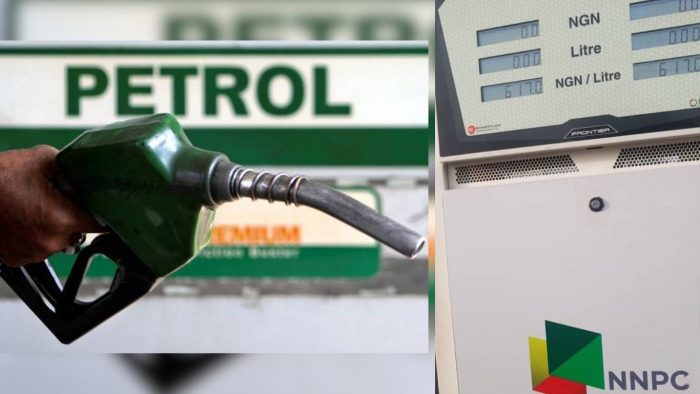
Nigeria’s external trade position recorded a major structural shift in the first quarter of 2026. A dramatic decline in refined petroleum imports, combined with stronger energy export earnings, pushed the country’s current account into a significant surplus.
According to the official Balance of Payments ($\text{BOP}$) report released by the Central Bank of Nigeria ($\text{CBN}$), the nation’s goods account surplus expanded to $5.95 billion in Q1 2026—a massive jump from the $1.77 billion surplus recorded in Q4 2025.
This improvement reflects Nigeria’s growing domestic refining capacity, which has successfully reduced the country’s historical reliance on foreign fuel imports and helped protect its foreign exchange reserves.
Dismantling the Fuel Import Dependency Model
The most striking figure in the $\text{CBN}$ report is the 87.5% plunge in refined petroleum product imports, which dropped to just $0.31 billion in Q1 2026 from $2.48 billion in the final quarter of 2025. This sharp decline confirms that local refining operations are now successfully replacing foreign fuel imports.
At the same time, Nigeria transformed into a net exporter of processed energy, with domestic refineries exporting $2.37 billion in refined petroleum products during the quarter—a 20.3% increase over the previous three-month period.
Total export earnings rose to $15.49 billion, supported by a 19.79% quarterly increase in crude oil sales ($8.11 billion) and a 12.95% rise in gas exports ($2.53 billion). Non-oil exports also saw a modest increase, rising 4.62% to $2.49 billion.
On the import side, total spending fell to $9.54 billion. While non-oil imports dropped 10.49% to $7.85 billion, imports of crude oil as a manufacturing input rose to $1.39 billion, reflecting the high demand for raw materials from local refineries.
Capital Inflows and Financial Account Realities
While the trade balance showed strong growth, other areas of the current account presented a mixed performance. The services account saw its net out-payments rise to $3.71 billion due to increased spending on international travel and corporate business services.
Additionally, the secondary income surplus, which tracks diaspora remittances, dipped to $5.57 billion as personal transfers from Nigerians abroad slowed slightly to $5.30 billion.
In the financial account, Nigeria remained a net borrower, with net borrowing rising to $2.51 billion. Foreign portfolio investments (“hot money”) led incoming capital, climbing to $6.03 billion as investors took advantage of higher domestic yields.
However, Foreign Direct Investment ($\text{FDI}$), which funds long-term physical projects, slowed slightly to $1.03 billion, highlighting the ongoing challenge of attracting long-term fixed capital into the country.
