

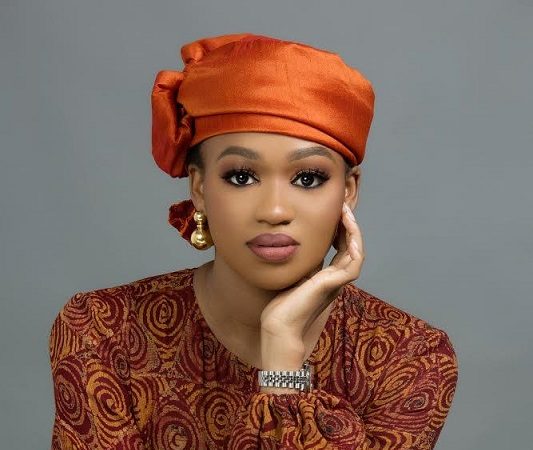
Building a premium brand in the sub-Saharan wellness economy requires navigating a tough mix of erratic public infrastructure and shifting consumer trust. For years, the Nigerian cosmetics sector relied heavily on imported, mass-market products, many of which contained harmful chemical stabilizers and unverifiable toxic ingredients.
To challenge this reliance on imports, aesthetician and entrepreneur Ameera Abraham used her professional background to launch The Nail Bar and Amali Cosmetics. Her brands have helped turn niche personal care into a structured, health-conscious retail market.
Identifying the Luxury Gap in the FCT
Born into a family that heavily valued educational excellence, Abraham pursued an elite academic path, graduating with a Bachelor of Arts in Politics and International Relations from Royal Holloway, University of London.
However, while living in the United Kingdom, she recognized the immense commercial potential of the wellness sector and completed professional certifications as a medical aesthetician, beauty therapist, and spa manager via the Confederation of International Beauty Therapy and Cosmetology ().
Returning to Nigeria at age 22, she spotted a major gap in Abuja’s luxury market: the absence of a high-end, dedicated nail spa and wellness center.
In March 2011, she launched The Nail Bar on Fez Street in Wuse II. The early stages of the business proved difficult, as she faced high risk premiums, skepticism due to her youth, and systemic infrastructure challenges—including inconsistent power and water supplies from the public grid. To survive, the young firm had to build alternative backup utilities directly into its early financial plans.
Formulating Non-Toxic Alternatives for Women of Color
As the boutique salon stabilized, Abraham noticed another major issue: the local market was flooded with cheap, counterfeit nail lacquers that contained harmful hormone disruptors and toxic chemical preservatives.
Driven by her personal experience with Polycystic Ovarian Syndrome ()—a hormonal disorder often triggered by endocrine-disrupting chemicals found in beauty products—she launched Amali Cosmetics in 2017.
The brand specializes in clean beauty, offering vegan, fragrance-free, “10-free” nail lacquers and plant-infused treatments. These products provide safe alternatives for women of color, helping to lower the health risks associated with hormone-disrupting cosmetics.
Institutional Influence and Mentorship
Abraham has also focused heavily on improving industry standards. She serves on the beauty and wellness technical committee of the Standards Organisation of Nigeria (SON), where she helps write the quality rules governing cosmetic imports and local production. She also serves as Executive Chair and Director of Communications for the Spa and Wellness Association of Africa (SWAA).
To share her business journey, she authored The Full Set, a practical entrepreneurship guide detailing the realities of managing capital, staff, and motherhood within the local business environment.
Through her workshops, masterclasses, and digital training series, she has mentored thousands of aspiring female beauty founders. She has also set up the MAMWT Legacy Initiative to drive community development and support economic empowerment across the region.
