

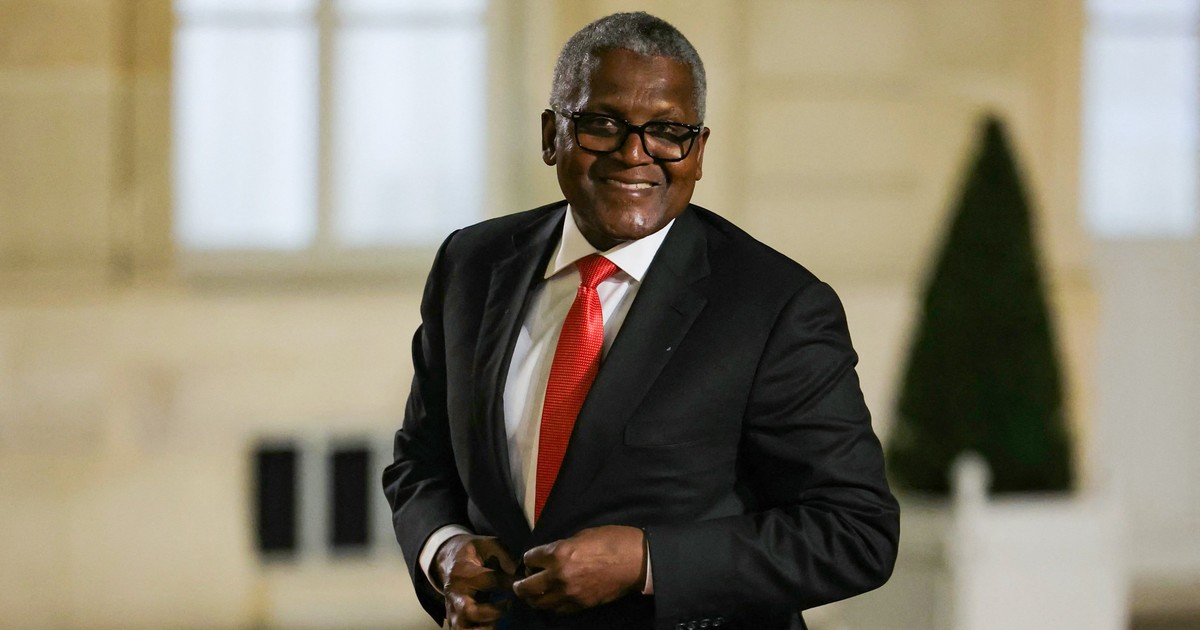
The 23rd annual TIME100 list has been unveiled, and for 2026, Aliko Dangote has secured his position as the sole Nigerian among the world’s most influential figures. Categorized under the “Titans” section, the founder of the Dangote Group is recognized for his relentless pursuit of African industrialization—a mission currently headlined by his landmark 650,000-barrel-per-day refinery.
The “Titan” Benchmark This marks Dangote’s second appearance on the prestigious list (his first being in 2014), placing him alongside global heavyweights like Sundar Pichai (Google), Xi Jinping, and Donald Trump. His inclusion is built on a decade of massive capital deployment across:
-
Energy Sovereignty: The Dangote Refinery, now fully operational, serves as the centerpiece of Nigeria’s quest to end fuel imports.
-
Agricultural Backbone: Significant expansions in fertilizer and sugar production to bolster continental food security.
-
Industrial Infrastructure: Sustained dominance in the cement sector across sub-Saharan Africa.
A Billionaire’s Tribute In a notable “full-circle” moment, the profile for Dangote was penned by fellow Nigerian business leader Tony Elumelu.
-
The Description: Elumelu hailed Dangote as “indefatigable, resilient, and foresighted,” emphasizing his role in proving that Africans can generate world-class value using local resources.
-
The Reciprocity: The gesture mirrors 2020, when Dangote wrote the TIME100 tribute for Elumelu, underscoring a unified front among Africa’s top tier of “Africapitalists.”
Symbolism Amid Transition Dangote’s recognition arrives at a critical juncture for the Nigerian economy. As the nation battles currency volatility and inflation, his industrial complex is viewed as a vital stabilizer.
-
Narrative Shift: Analysts suggest the honor serves to counter negative emerging market narratives, rebranding Nigeria as a hub for large-scale, “impossible” engineering feats.
-
Inspirational Gravity: The “Dangote Effect” continues to provide a blueprint for the next generation of African entrepreneurs, shifting the focus from rent-seeking to value-added manufacturing.
