

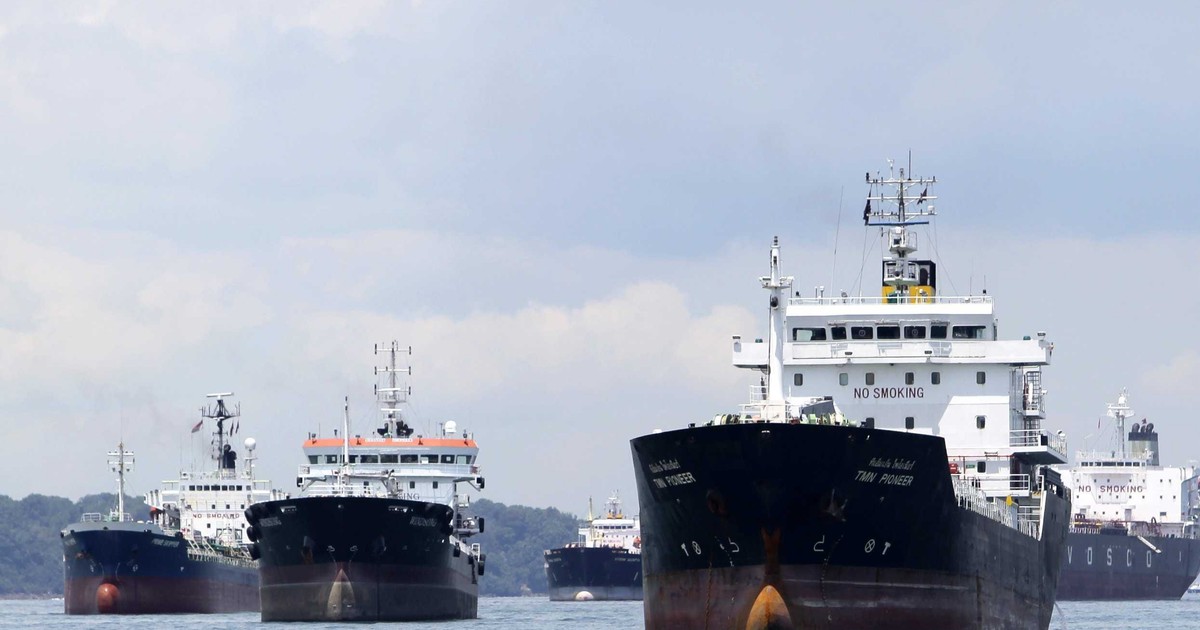
The United Kingdom has implemented a major structural change to its international energy trade regulations by introducing the Russia Sanctions (EU Exit) (Amendment) Regulations. The updated policy closes the “refining loophole” by explicitly banning the import of refined petroleum products—including petrol, naphtha, paraffin, lubricants, and waste oils—processed in third-party countries using Russian crude oil.
However, according to new guidelines analyzed by S&P Global, Nigeria has been exempted from the more rigorous proof-of-origin compliance audits. The British government has added Nigeria to a specialized list of 63 countries that are classified as net oil exporters, allowing local shipments to bypass additional regulatory hurdles when entering the UK market.
1. The Mechanics of the Net Exporter Exemption
The UK Department for Business and Trade used trade data from the International Energy Agency (IEA) to identify countries with substantial domestic crude production. By classifying Nigeria, Saudi Arabia, Kuwait, Libya, and Kazakhstan as net oil exporters, British customs authorities operate under the assumption that these nations primarily export products derived from their own natural reserves.
The operational details of this exemption mean:
-
Reduced Audit Demands: Nigerian exporters are not required to provide exhaustive trace documentation for every cargo unless customs officials have specific, reasonable grounds to suspect foul play.
-
Streamlined Port Entry: Shipments from exempted nations avoid the lengthy compliance queues faced by intermediate refining hubs, ensuring quicker offloading times at UK marine terminals.
-
Preserving Crude Value: This policy maintains steady demand for Nigeria’s sweet crude grades, which remain highly sought after by European refineries designed to process low-sulfur feedstocks.
2. Increased Pressures on Intermediate Refining Hubs
The new rules create a stark contrast for intermediate refining jurisdictions, particularly India and Turkey. Following the outbreak of the Russia-Ukraine conflict, these nations became major buyers of discounted Russian crude while simultaneously increasing their refined product exports to European markets.
Under the new UK rules, refiners in non-exempted nations must meet strict compliance standards to access British markets:
| Regulatory Compliance Path | Required Verification Infrastructure | Impact on High-Scrutiny Refiners |
| Physical Stream Segregation | Demonstrated physical separation of Russian and non-Russian crude oil streams throughout storage, transit, and refining. | Requires expensive facility upgrades and separate pipeline infrastructure. |
| The 60-Day Clean Window | Certified evidence showing the processing refinery has not received or processed Russian crude for at least 60 days before export. | Forces operators to choose between cheap Russian inputs or maintaining access to Western markets. |
3. Balancing Geopolitical Goals with Domestic Market Realities
The UK’s updated rules align closely with enforcement measures introduced by the European Union, creating a unified regulatory front across Western Europe. Even so, the British government has adapted its strategy to shield its domestic economy from rising energy prices.
Driven by supply worries and geopolitical tensions in the Middle East, the UK has issued indefinite waivers for imports of diesel and aviation fuel. Because Britain relies heavily on international markets for its fuel needs—importing roughly 75 per cent of its jet fuel and 50 per cent of its diesel—officials implemented these waivers to prevent sudden price spikes at the pump. This move demonstrates how governments must balance strict international sanctions with the practical need to maintain stable, affordable domestic energy supplies.
