

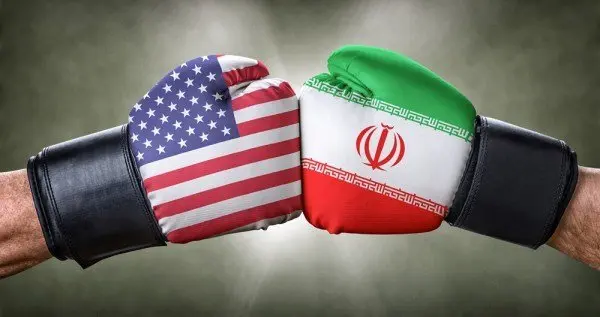
Just weeks ago, the Nigerian economy was celebrating a hard-won victory: headline inflation had cooled to 15.06%, food prices were stabilizing, and the Naira was holding its ground. However, the outbreak of the U.S.-Iran war on February 28, 2026, has sent a geopolitical shockwave through the country, threatening to erase a year’s worth of economic progress.
The “Generator Tax” and Fuel Surges For small business owners like Salewa Tokunbo, a frozen food trader in Lagos, the war isn’t a distant headline—it’s a daily expense. Since the conflict began, the cost of doing business has transformed:
-
Petrol (PMS): Jumped 63%, rising from ₦830/litre to ₦1,300/litre in just four weeks.
-
Diesel: Scaled from ₦1,100 to a peak of ₦1,550/litre, hitting logistics and cold-chain storage.
-
Inventory Costs: A carton of frozen turkey now hits ₦100,000, a price point many traders fear customers simply cannot afford.
Logistics: The High Cost of Moving Food Because Nigeria operates a deregulated petroleum regime, international crude spikes feed directly into local transport. The impact on food distribution has been immediate:
-
Interstate Freight: Moving goods from Kano to Lagos now costs ₦70,000, up from ₦45,000 pre-war.
-
Commuter Fares: Lagos intra-city fares have nearly doubled, while the Lagos-to-Ibadan route has climbed from ₦1,500 to ₦2,500.
-
Farmer Retreat: The All Farmers Association of Nigeria (AFAN) warns that rising logistics costs are forcing farmers to scale back just as the planting season approaches, signaling further food scarcity.
The “Information Gap” A new report by SBM Intelligence, ‘How a Middle East War Broke Nigerian Pockets’, highlights a startling disconnect in market intelligence:
-
Social Media Primary Source: Over 51% of traders get their war news from WhatsApp, while 44% rely on word-of-mouth.
-
Lack of Policy Clarity: Analysts noted that while the impact is severe, there has been no standalone national broadcast from President Tinubu addressing the crisis, leaving many traders to raise prices without a clear understanding of the global cause.
Expert Warning Muda Yusuf, CEO of the Centre for the Promotion of Private Enterprise (CPPE), warns that the “multiplier effect” of energy costs is the greatest threat to Nigeria’s stability. With 83% of traders reporting they can no longer stock goods and make a profit simultaneously, the risk of a “reversal in economic wins” is high. Without “time-bound relief measures,” the fragile gains in purchasing power seen in early 2026 may be entirely swallowed by the global “War Premium.”
