

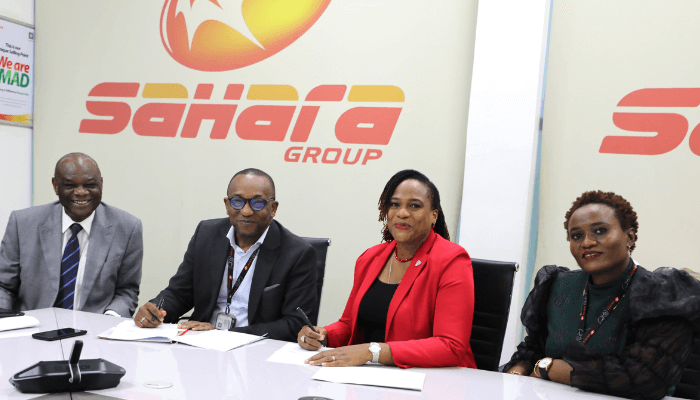
Nigeria has officially triggered one of its most aggressive moves to end the “perpetual darkness” cycle. By securing a deal with 15 major generation plants, the federal government is targeting the massive liquidity debt that has paralyzed the power sector for over a decade. This move is designed to stabilize electricity for 12 million customers and bring 4,484 megawatts of currently idle capacity back onto the grid.
The “Power Players” in the Deal The settlement involves a “who’s who” of Nigeria’s business elite and state-owned entities, marking a rare alignment of private and public interests:
-
Sahara Power Group: Owners of Egbin Power, co-founded by Tope Shonubi and Tonye Cole.
-
Transcorp Group: Including Transcorp Power and Afam Power, chaired by Tony Elumelu.
-
Geregu Power: Now under MA’AM Energy Limited (following a $750 million exit by Femi Otedola in late 2025).
-
International & State Giants: Including First Independent Power (Shell/Total/Rivers State) and Ibom Power (Akwa Ibom).
-
Public Sector: The Niger Delta Power Holding Company (NDPHC) is also a major signatory.
Investor Confidence: The $320 Million Test The first phase of the debt repayment was funded via a 501 billion naira ($320 million) issuance earlier this month. Despite high interest rates, the bond was fully subscribed at a 17% yield. According to Olu Verheijen, the President’s Special Adviser on Energy, this oversubscription signals that investors finally believe in the government’s structural reform “roadmap.”
The Transmission “Bottle-Neck” While the debt settlement solves the GenCos’ cash-flow problem, the physical infrastructure remains a hurdle:
-
Capacity Mismatch: Nigeria’s transmission network can only carry about 25% of the country’s 13,000MW available generation capacity.
-
The “Black Hole”: Only about half of grid-connected users are metered, leading to massive revenue losses for Distribution Companies (DisCos), who then fail to pay the GenCos.
The Bigger Picture: Regional Power Hub Nigeria isn’t just looking inward. The administration is simultaneously positioning the country as a regional electricity exporter for the West African Power Pool. However, experts warn that until the domestic “liquidity trap” is fully dismantled and transmission lines are upgraded, the nation will continue to rely on the expensive hum of private diesel generators to power its industrial heart.
