

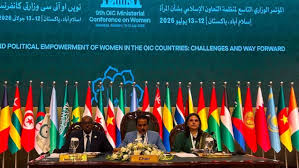
The intersection of social policy and macroeconomic planning is becoming a central focus for emerging market administrators. Speaking at the 9th OIC Ministerial Conference on Women in Islamabad, Pakistan, Nigeria’s Minister of Women Affairs and Social Development, Hajiya Imaan Sulaiman-Ibrahim, presented a clear argument: integrating women into the mainstream economy is a core requirement for national growth.
Addressing delegates from the 57 member states of the Organisation of Islamic Cooperation (OIC), the Nigerian delegation argued that sidelining half of a nation’s population limits its overall economic potential, framing gender-inclusive reforms as a key driver of modern statecraft.
The Mechanics of Affirmative Procurement
A key part of Nigeria’s economic strategy is the implementation of affirmative procurement. Historically, small and medium-sized enterprises (SMEs) run by women have struggled to secure high-value government contracts due to rigid tendering requirements, limited capital access, and a lack of established corporate networks.
By actively reserving a portion of public procurement budgets for verified women-owned businesses, the government is using state purchasing power to drive grassroots industrial growth and bring more informal enterprises into the structured economy.
Multilateral Cooperation on Digital and Financial Inclusion
The conference, chaired by Pakistan, concluded with a strong call for member states to turn high-level declarations into practical, measurable actions on the ground.
Through collaboration with international bodies like UN Women, the OIC is pushing to implement the OIC Plan of Action for the Advancement of Women. By focusing on key areas like digital literacy, expanded access to primary education, and secure financial services, regional leaders are working to build resilient economies where women can actively contribute to sustainable development, job creation, and long-term financial stability.
