

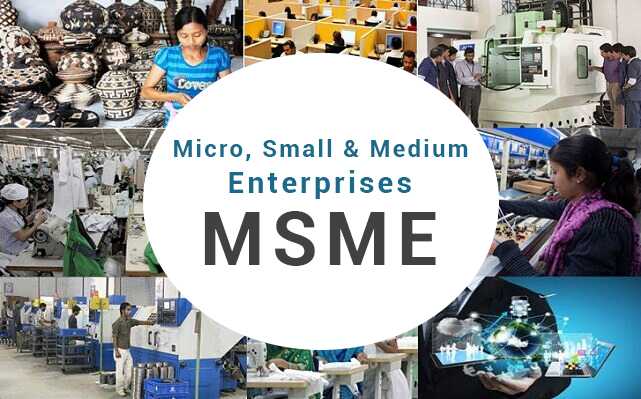
Nigeria’s federal government has reinforced its commitment to making micro, small, and medium enterprises (MSMEs) the driving force behind the country’s economic transformation.
Speaking at the 6th Annual Lecture of the Development Bank of Nigeria in Abuja, Vice President Kashim Shettima—represented by Tope Fasua—highlighted the critical role small businesses play in national development.
He emphasized that MSMEs contribute over 80 percent of employment in Nigeria and form a substantial part of the country’s economic output. Rather than being seen as minor players, they are positioned as essential to achieving the administration’s broader economic vision under President Bola Tinubu’s reform agenda.
According to the government, recent policy changes are designed to create a more supportive environment for businesses. These include fuel subsidy removal, foreign exchange reforms, infrastructure development, and increased investment in human capital—all aimed at improving business conditions and attracting both local and foreign investment.
The Managing Director of the Development Bank of Nigeria, Tony Okpanachi, described the institution as playing a broader role than just financing. He noted that the bank actively supports entrepreneurs through knowledge-sharing, capacity building, and strategic partnerships to help businesses scale sustainably.
Further strengthening this approach, Small and Medium Enterprises Development Agency of Nigeria, led by Director-General Charles Odii, outlined new initiatives to improve the global competitiveness of Nigerian SMEs. These include simplifying export processes, developing shared industrial facilities like garment hubs, and enhancing logistics systems to support expansion.
On the continental stage, Flora Mutahi stressed the urgency of scaling African businesses as a response to rising youth unemployment. With millions entering the workforce annually and limited formal job opportunities available, she pointed to entrepreneurship as a key solution—provided it is backed by resilience and long-term planning.
The session concluded with a shared consensus among policymakers, financial institutions, and business leaders: Nigeria’s economic future is closely tied to the strength, adaptability, and growth of its small business sector.
