

In a country where entrepreneurship often demands equal parts resilience, sacrifice, and vision, Temitope Arogundade is quietly carving a path defined by craftsmanship, intentionality, and impact.
Raised in the energetic streets of Surulere, Lagos, Temitope grew up surrounded by movement, culture, and style — an environment that sharpened both his creative eye and his understanding of people. While many young Nigerians dream of stability, Temitope’s journey evolved from a restless desire to create something meaningful into the founding of BLVC Global Enterprise, a footwear and leather brand focused on combining quality, durability, accessibility, and identity.
Starting with just ₦100,000 from personal savings and operating from a one-bedroom apartment, he entered the competitive fashion and leather industry with no guarantees, only conviction. Along the way, he has battled uncertainty, financial limitations, and the pressure of building something sustainable in Nigeria’s challenging business climate. Yet through discipline, positioning, and a growing commitment to craftsmanship, BLVC is gradually becoming more than a footwear brand — it is becoming a platform for empowerment, vocational training, and locally made excellence.
In this eighth edition of the MINE 1000 Spotlight Series by Naijapreneur, Temitope shares the deeply personal story behind BLVC, the sacrifices required to build it, the lessons he has learned from the trenches of entrepreneurship, and the legacy he hopes to create through “Made in Nigeria” craftsmanship.
This is his MINE story.
SECTION A: THE ENTREPRENEUR BEHIND THE BUSINESS
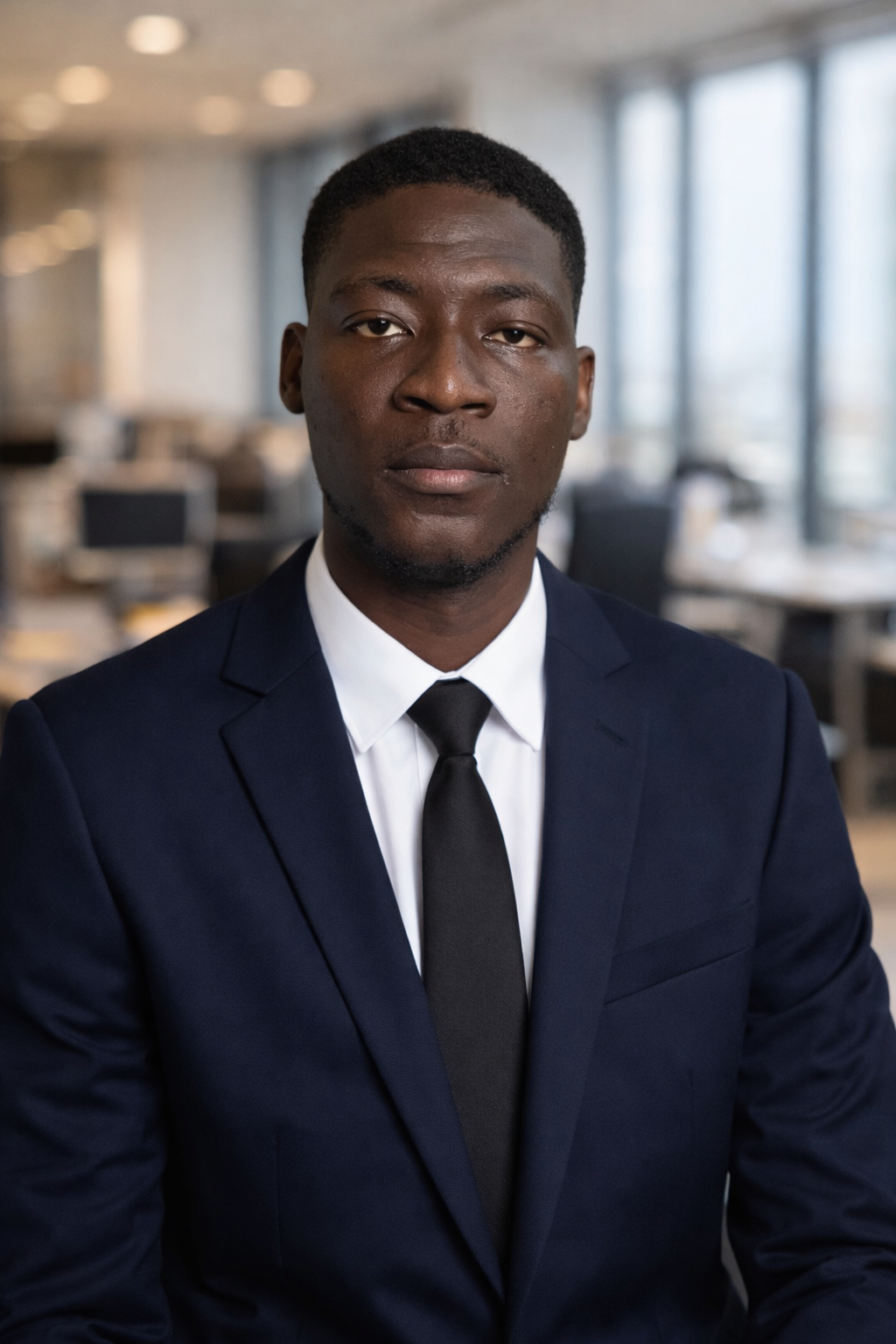
What is your full name and what do you prefer to be called
Temitope Arogundade. I prefer Temitope
Where did you grow up: (Town, State, and a brief description of your childhood environment)
I grew up in Surulere, Lagos, an urban environment rich in culture, movement, and style. From the energy of busy weekdays to the rhythm of the weekends, it’s a place where fashion and expression are part of everyday life. Growing up there taught me resilience, adaptability, and an eye for detail.
What did your parents or guardians do for a living, and how did that shape your view of work and money:
My father is a Petroleum Engineer, and my mother is both a civil servant and a businesswoman.
My father approached things from a place of provision whenever I brought an idea, his response was often, “When and how much do you need?” It showed me the power of financial capacity.
My mother, on the other hand, required results and accountability. I had to come home with good reports and clear reasons for anything I wanted.
This balance shaped my mindset: money creates ease, but it must be earned through discipline, responsibility, and consistent effort not dependence.
Before entrepreneurship, what did the younger version of you dream of becoming:
I dreamed of becoming a pilot and that dream is still very much alive. Whether commercially or privately, I intend to fly someday. It represents freedom, precision, and control, values I also bring into my entrepreneurial journey.
Describe the moment you realized you wanted to run your own business. Was it a gradual awakening or a lightning bolt moment:
It wasn’t a single moment, it was a growing conviction. Ideas kept coming, and with them came a persistent restlessness. There were sleepless nights and a strong inner pull that this was a path I was meant to take.
Over time, that feeling became impossible to ignore, and I knew I had to build.
Who is the one person (alive or dead, known personally or not) that you would credit as an inspiration for your entrepreneurial journey:
Mr. Bashorunga, the founder of The Paint Guy. I often refer to him as “The Alchemist.” His ability to turn ideas into tangible value and build something impactful deeply inspires my approach to entrepreneurship.
SECTION B: THE BUSINESS BIRTH
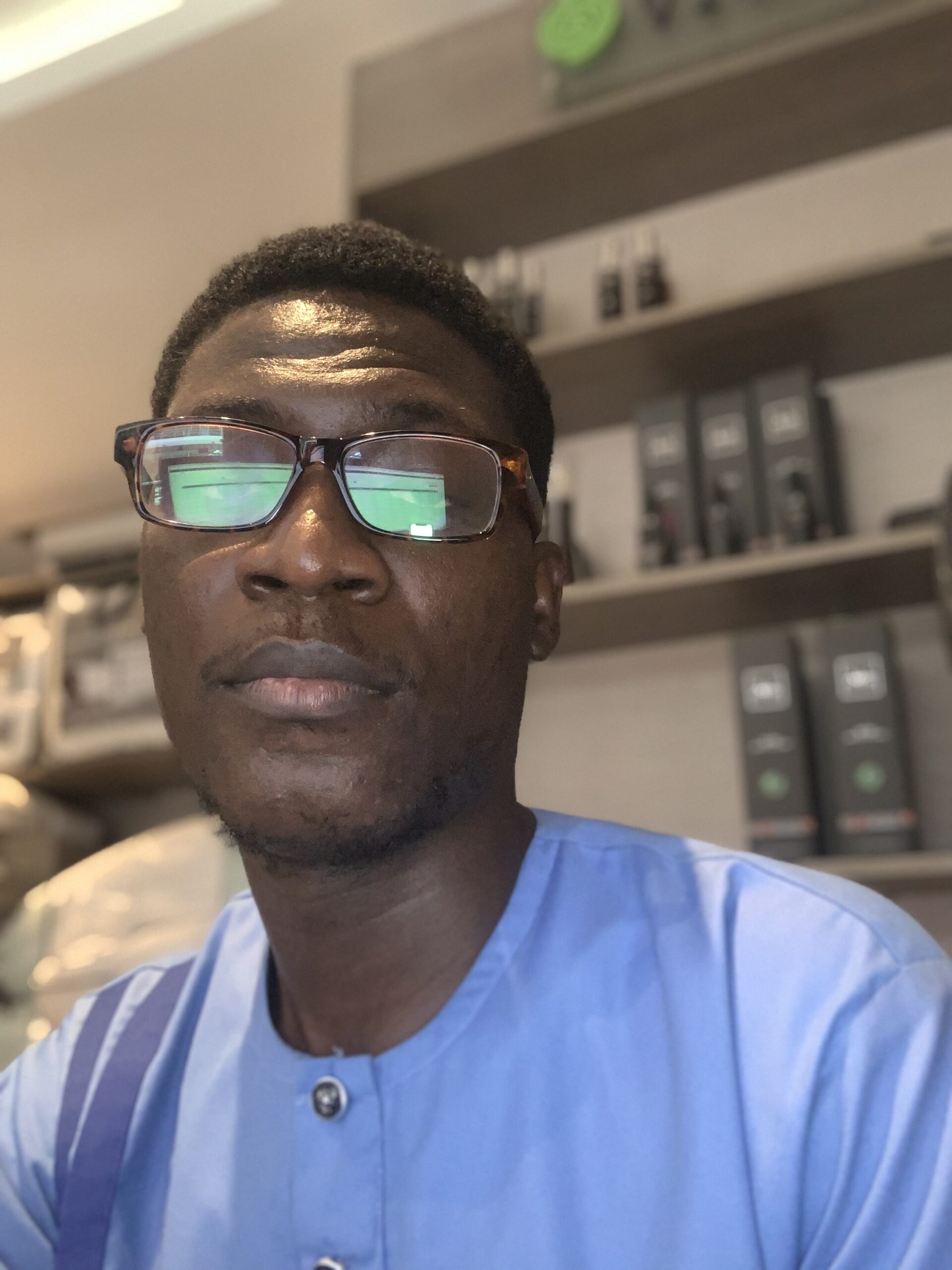
“From idea to first sale.”
What is your official business name and registration number (if registered):
BLVC Global Enterprise NO. 8790953
In one sentence, what does your business do
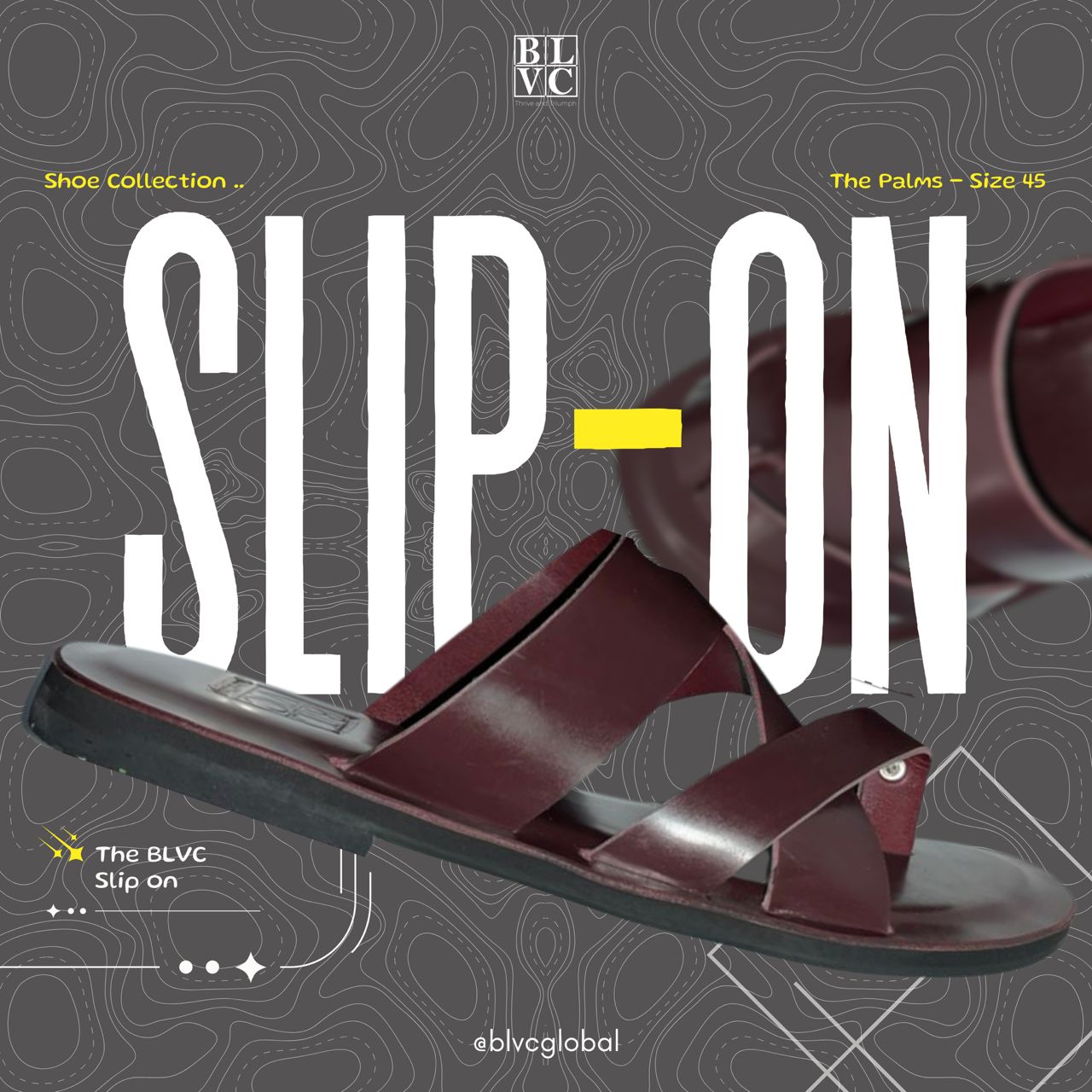
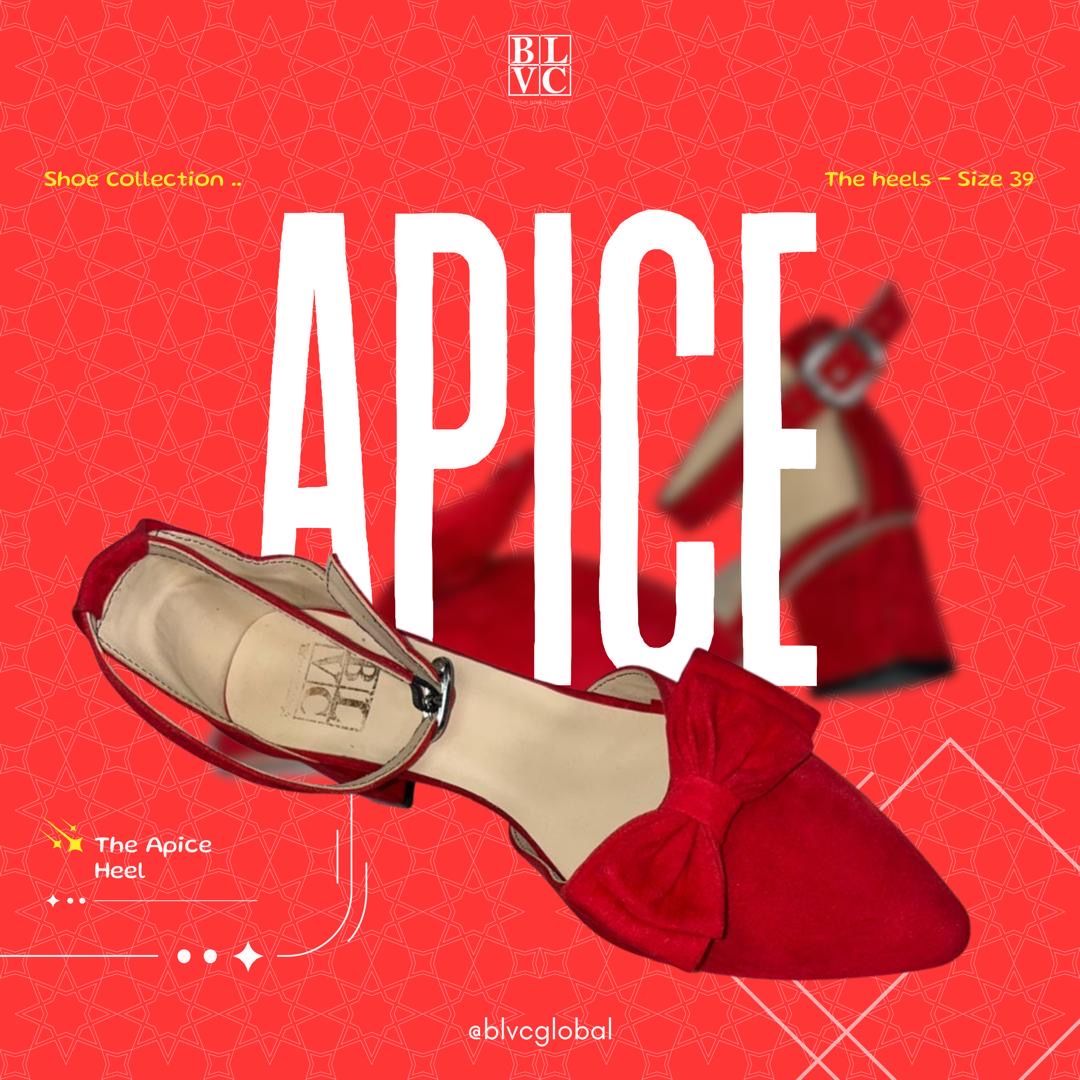
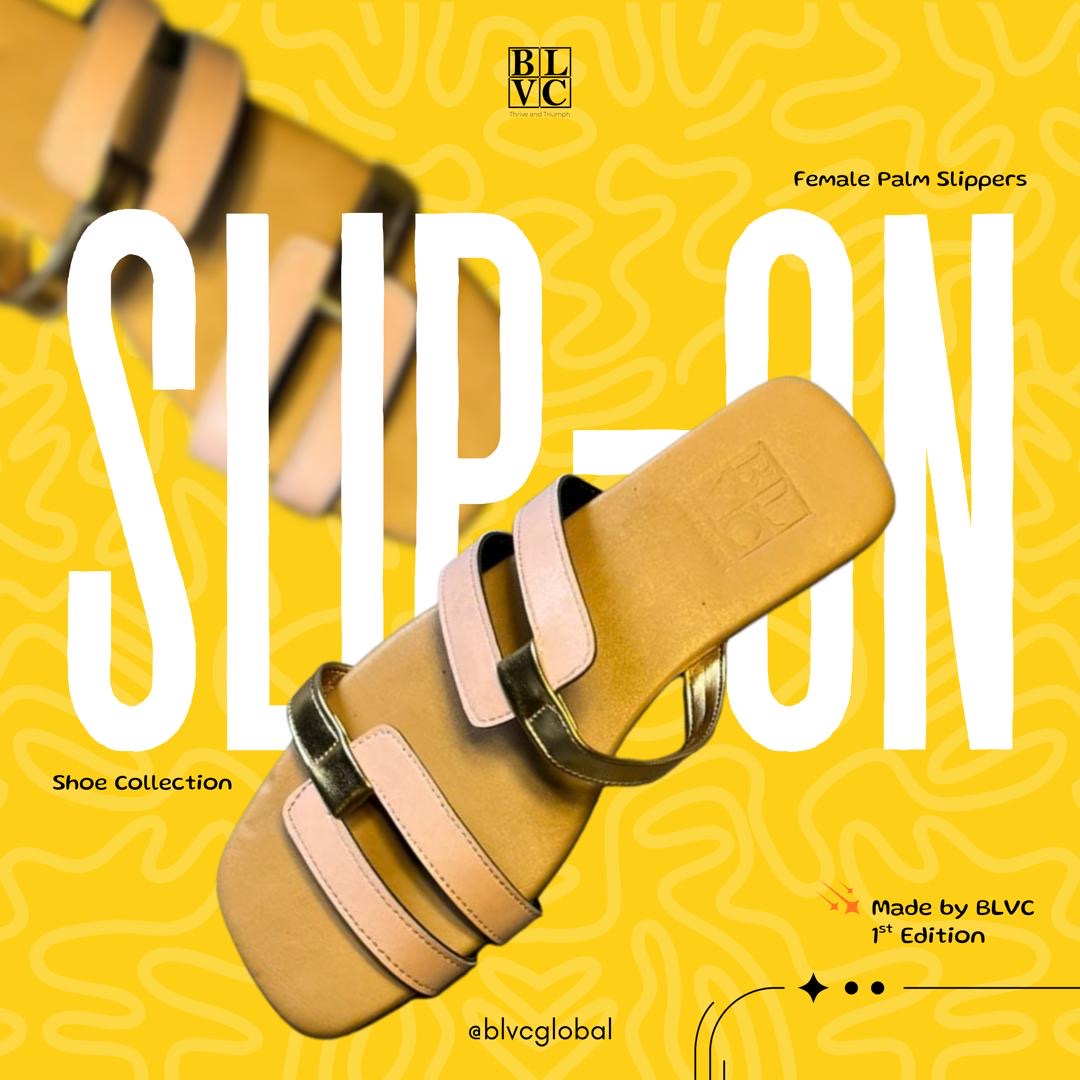
We create stylish, durable footwear and leather products for young, urban individuals seeking quality design at an accessible price.
What year did you start, and how old were you at the time:
I started BLVC in 2025, at the age of 31, driven by a need to create what I couldn’t find.
What were you doing for money in the 12 months before you started this business:
In the 12 months before starting, I was actively exploring opportunities and building income streams while refining my understanding of business and value creation.
How much did you start with: (₦)
100,000 Naira
Where did the money come from: (Be specific: personal savings, cooperative, friends, bank loan, etc.)
Personal Savings
How many times did you hear “no” before you got to “yes”:
Countless times, but each “no” refined my approach, improved my product, and strengthened my conviction until I got my first “yes.”
Where did you operate from on Day 1: (Your bedroom, a shop, under a tree, online only:)
My 1 bedroom apartment
Tell us about your very first customer. Who were they, how did they find you, and how did you feel when they paid you:
My first customer was a groom preparing for his wedding. He reached out just five days before the event, frustrated after searching for a shoe that was comfortable, durable, and reasonably priced.
He requested specific custom modifications, which I delivered a day before the wedding. On the wedding day, I received a video call from someone at the event, the excitement was real. The groom loved the shoes, and guests kept complimenting his look, especially the design.
Then I heard him in the background saying “thank you.” That moment meant everything, it showed me that what we create goes beyond products; it becomes part of people’s most important moments.
What was your biggest mistake in the first year, and what did it teach you:
My biggest mistake early on was positioning my brand in a way that felt like I was begging for patronage. It attracted customers who didn’t fully value craftsmanship.
That experience taught me the importance of positioning, confidence, and attracting the right audience not just any audience.
If your business were a child, describe its difficult birth or toddler years.
If BLVC were a child, its early years would be marked by resilience and constant learning. It had to grow without perfect conditions, figuring things out through trial, mistakes, and persistence.
There were moments of uncertainty, but also small wins that proved it was growing in the right direction. Like a child learning to walk, it stumbled at times but each step made it stronger, more confident, and more defined.
SECTION C: THE STRUGGLE CHRONICLES
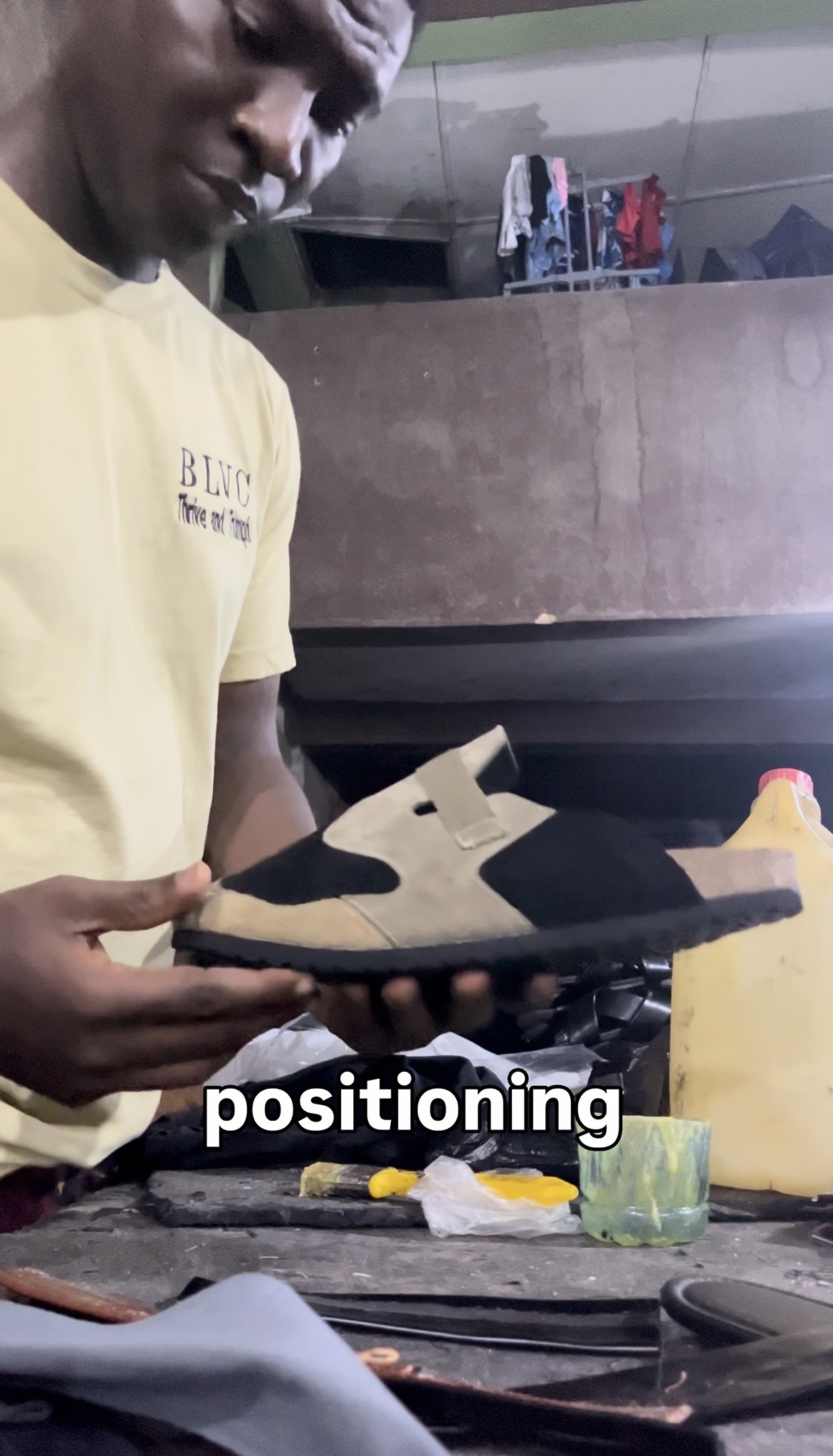
“What didn’t kill the business…”
Describe a moment when you almost quit. What pushed you to the edge, and what pulled you back:
There were moments when the weight of the vision felt overwhelming, especially in the early stages when progress was slow and uncertainty was high.
What pushed me to the edge was the gap between what I saw for the brand and what I was able to execute at the time.
What pulled me back was clarity of purpose. I realized this brand is bigger than just fashion, it’s about building something meaningful and impactful. That conviction kept me going, even when things weren’t moving as fast as I wanted.
What was your lowest financial point: (e.g., couldn’t pay rent, staff salaries, almost bankrupt)
My lowest financial point was just before fully committing to the business. I was in a job that was no longer sustainable, both financially and mentally.
I had the idea to start earlier but delayed acting on it. Eventually, I had to make a decision, stay comfortable or take a risk. I chose to leave and go all in, even with limited resources. That period forced me to become resourceful and intentional about every decision.
Have you ever been betrayed in business: By a partner, employee, or customer: How did you handle it:
I haven’t experienced a major betrayal yet, but I’ve had moments where expectations didn’t align with reality, whether with customers or collaborators.
I’ve learned to set clearer boundaries, communicate expectations early, and focus on building relationships based on trust and shared values.
What sacrifices have you made personally for this business: (Time with family, health, relationships, sleep, etc.)
I’ve sacrificed time, comfort, and financial stability. I’ve invested my personal savings into building the business, often choosing long-term growth over short-term comfort.
There have also been moments of reduced rest and limited social time, but I understand that building something meaningful requires intentional sacrifice.
How has entrepreneurship affected your mental and emotional health: What do you do to stay grounded:
Entrepreneurship has tested me mentally and emotionally, especially dealing with uncertainty, slow periods, and the pressure to keep moving forward.
What keeps me grounded is clarity of purpose, discipline, and reflection. I take time to think, reset, and realign with why I started. That helps me stay focused and resilient.
What criticism or doubt did you face from friends or family when you started, and do they still doubt you:
At the beginning, there were doubts, especially around stability and whether the business would succeed. Some people didn’t fully understand the vision.
Over time, as I’ve stayed consistent and shown progress, that doubt has gradually shifted into support. I’ve learned to focus more on execution than external validation.
Have you ever had to lay someone off: How did that feel, and how did you handle it:
No, not yet
SECTION D: THE BREAKTHROUGH MOMENTS
“The tide turns.”
What was the single biggest opportunity that changed your business trajectory:
One of the biggest opportunities was realizing that visibility is directly tied to growth.
When I began putting the brand in the right spaces and in front of the right audience, I saw a shift not just in interest, but in the quality of customers and conversations.
That changed how I approached growth from just creating products to intentionally building presence.
Describe your “first million” moment (first ₦1 million in revenue or profit). How long did it take, and how did you celebrate:
I haven’t reached that milestone yet, but I am actively building toward it with a clearer structure, stronger positioning, and a better understanding of my market.
For me, it’s not just about hitting the number, it’s about building a system that can consistently generate it.
Who believed in you when it mattered most, and what did they do:
My parents played a key role, especially in the early stages. Even when the path wasn’t fully clear, there was a level of trust that allowed me to take the risk.
That belief gave me the confidence to keep building, even in uncertain moments.
What is the one decision you made that turned out to be brilliantly right, even if it seemed risky at the time:
Choosing to go all in on the business, even when it wasn’t the most comfortable or secure option at the time.
It forced me to focus, take ownership, and commit fully to building something meaningful. Looking back, that decision accelerated my growth more than anything else.
Tell us about a mentor, advisor, or supporter who made a difference. What specific advice changed your approach:
A mentor I refer to as “The Alchemist” shared something that changed my approach:
“If you must sell a cake, you must learn how to bake it.”
That taught me the importance of understanding the product deeply, not just selling it, but mastering the process behind it. It shaped how I approach quality, value, and craftsmanship.
When did you first realize, “I might actually pull this off”:
The moment I saw a customer genuinely value what I created especially my first major custom order, it shifted something for me.
It wasn’t just about making a sale; it was seeing the impact of what I built and how it fit into someone’s important moment.
That’s when I realized this could become something real.
SECTION E: THE BUSINESS TODAY
“Where things stand.”
Current team size: How many full-time and part-time employees do you have:
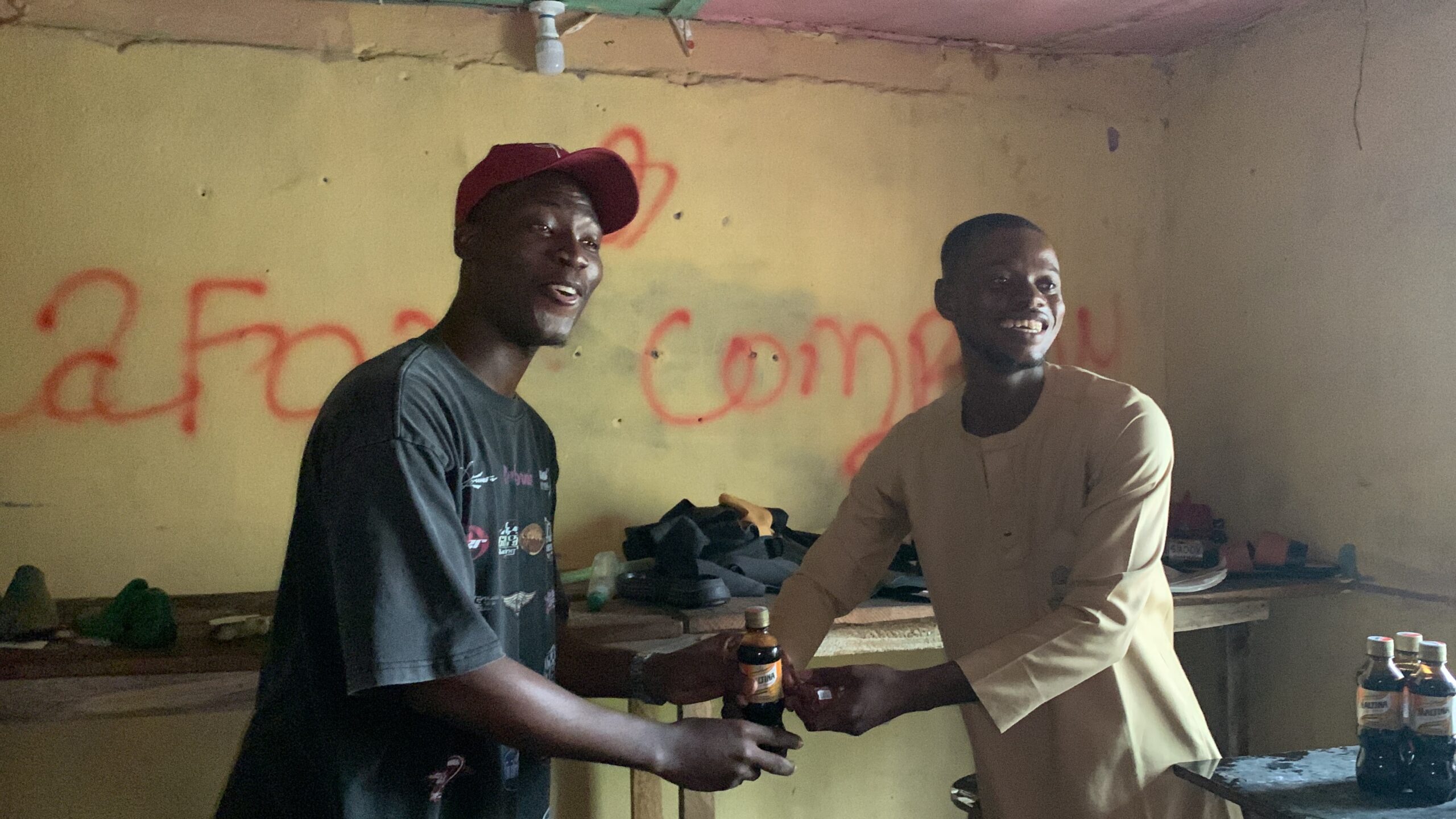
We have a small core team and scale with additional skilled labor when handling larger orders.
Current locations: Where do you operate now compared to where you started:
We started from a one-bedroom apartment, and we currently operate from a borrowed workspace in Mushin.
Annual revenue range (optional but helpful):
₦5M – ₦25M
What is your most popular product or service, and why do customers love it:
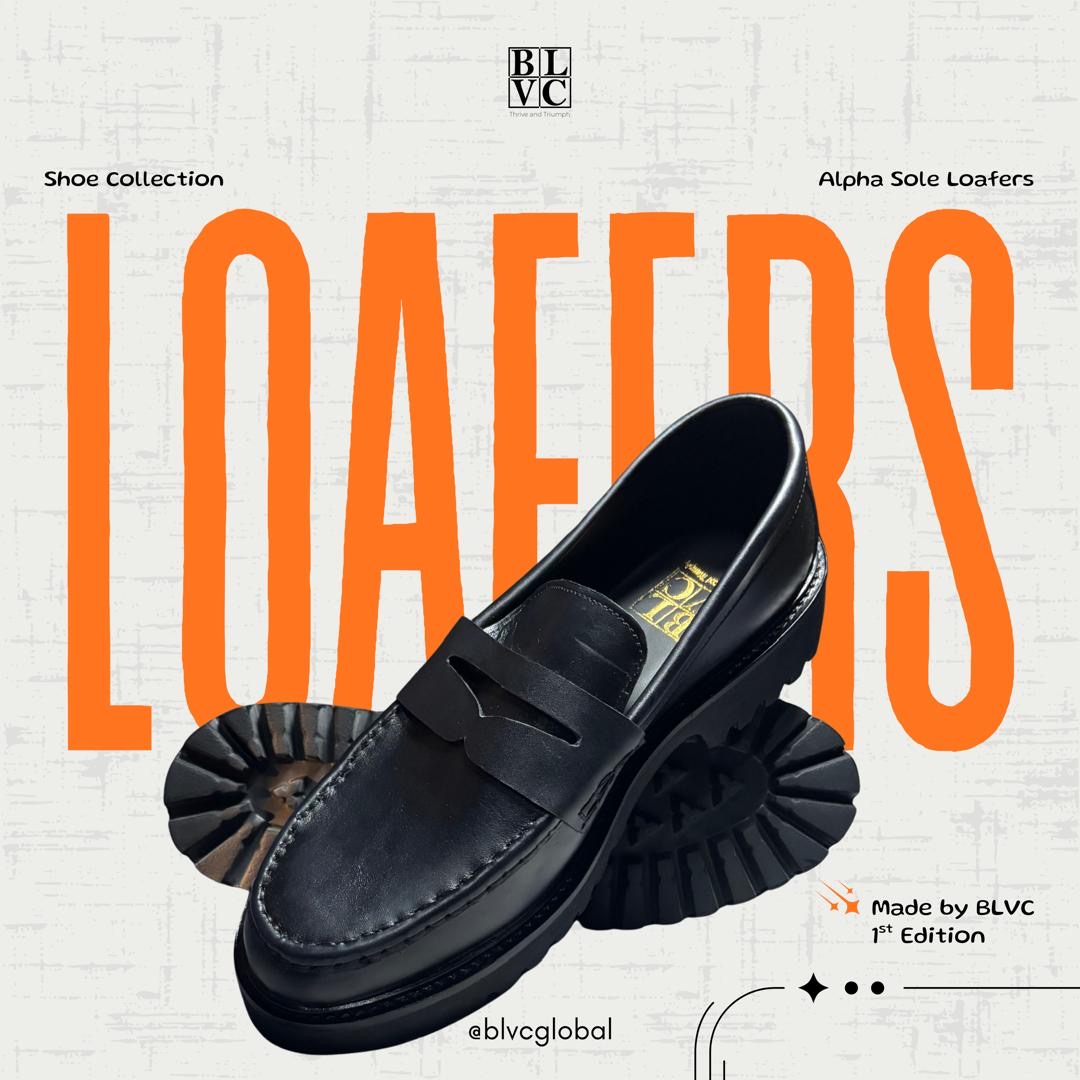
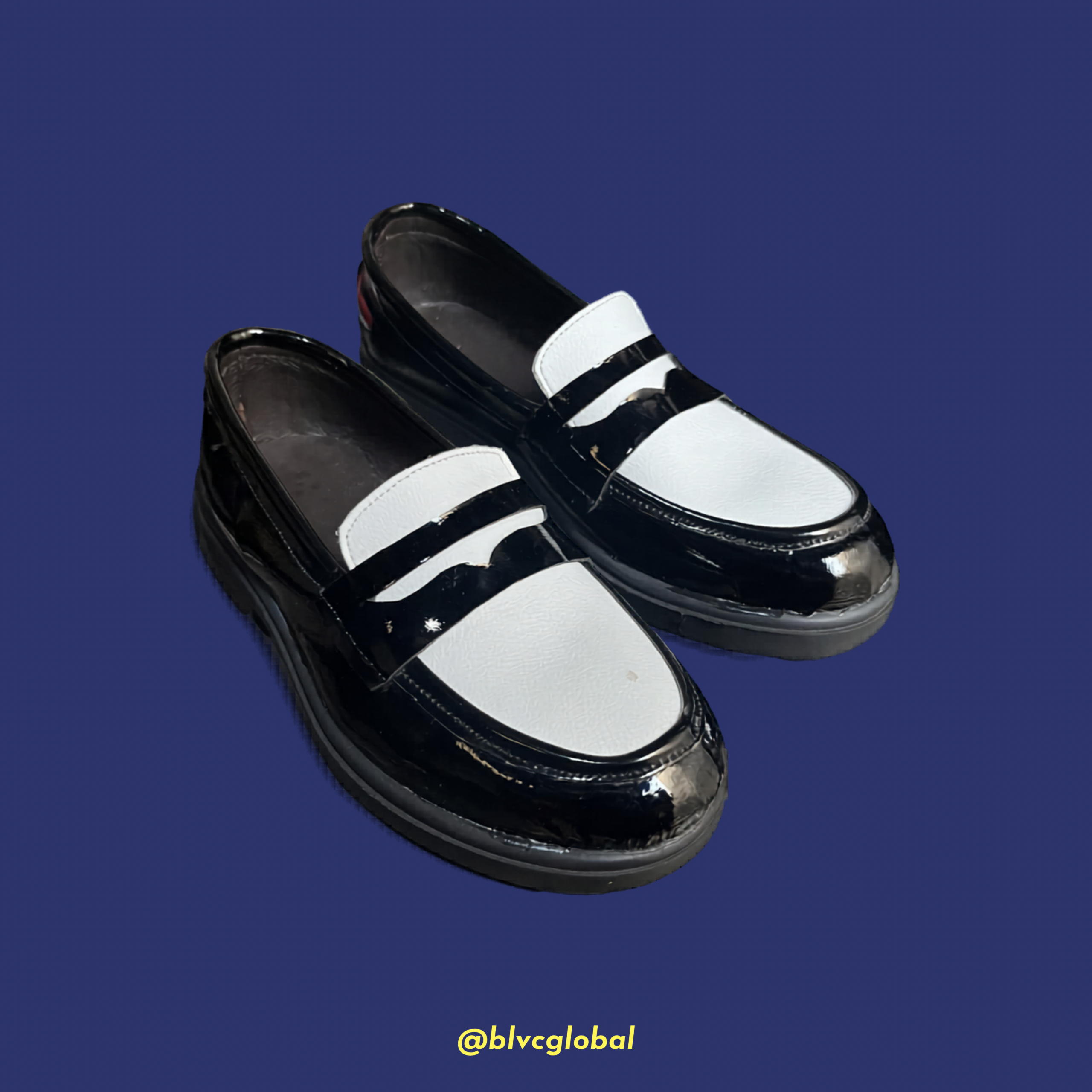
Our most popular products are our custom and ready-to-wear leather shoes.
Customers love them because they combine style, durability, and comfort while still being accessible. We also pay attention to detail, which makes each pair feel intentional and personal.
Who is your ideal customer, and how do you reach them:
Our ideal customers are young, urban professionals and creatives including business founders, working-class individuals, and style-conscious individuals who value quality, design, and self-expression.
We also attract a niche audience such as speakers, entrepreneurs, and professionals who want to present themselves with confidence and intention.
We reach them physically through business events, seminars, and networking spaces where our target audience naturally gathers.
Digitally, we engage them through targeted content, storytelling, and paid ads that highlight our products, craftsmanship, and brand identity.
What sets you apart from competitors: (Be honest—what do you do better than anyone else:)
What sets us apart is our balance of craftsmanship, accessibility, and purpose.
We don’t just create footwear, we focus on delivering quality products while also building skills through vocational training. This creates a brand that is not only product-driven but also impact-driven.
We are intentional about both what we create and what we represent.
What is the biggest operational challenge you face right now:
Our biggest challenge right now is scaling production efficiently while maintaining quality.
As demand increases, we need stronger systems, more structured production processes, and a dedicated workspace to meet that demand without delays.
How has your role as founder changed from when you started to now:
When I started, I was involved in everything design, production, sales, and delivery.
Now, my role is becoming more strategic. I focus more on direction, growth, partnerships, and building systems that allow the business to operate beyond just me.
It’s a shift from doing everything to building something that can scale.
SECTION F: LESSONS FROM THE TRENCHES
“If I knew then what I know now.”
What do you know now about running a business in Nigeria that you wish you knew on Day 1
I wish I understood how important structure and systems are from the beginning.
In Nigeria, things don’t always go as planned so having clear processes, reliable suppliers, and financial discipline early on would have saved time, cost, and stress.
What is the biggest myth about entrepreneurship that you want to debunk
The biggest myth is that entrepreneurship gives you freedom immediately.
In reality, it demands more discipline, sacrifice, and responsibility before you ever experience that freedom.
What specific skill has proven most valuable to your success: (e.g., sales, bookkeeping, negotiation, people management)
Sales and communication.
The ability to clearly present value, build trust, and convert interest into paying customers has been the most critical skill in growing the business.
What system, tool, or habit has made the biggest difference to your productivity:
Consistency and intentional planning.
Setting clear goals whether weekly or monthly and following through has made the biggest difference in staying productive and making progress.
How do you handle the “government factor” (taxes, regulations, permits) in Nigeria:
I approach it with awareness and gradual compliance.
Understanding the basic requirements, staying informed, and handling things step by step has helped me navigate it without being overwhelmed, while focusing on growing the business
What advice would you give to someone who wants to start the same kind of business as yours:
Start with a strong focus on quality and understanding your product deeply.
Don’t just aim to sell, aim to create value that people can trust and return to.
Also, position your brand properly from the beginning. The kind of audience you attract early on will shape your growth.
What question do you wish aspiring entrepreneurs would ask you, and what’s your answer:
How do I build something that lasts, not just something that sells?
Answer:
Focus on value, consistency, and systems. Anyone can make a sale, but building something sustainable requires discipline, patience, and a long-term mindset.
SECTION G: IMPACT & LEGACY
“Beyond the balance sheet.”
Beyond making money, what problem does your business solve for your community or Nigeria:
Beyond making money, BLVC addresses the gap between quality and accessibility in footwear.
Many people have to choose between affordability and durability, we provide both.
We also tackle youth unemployment by equipping young people with practical vocational skills, giving them a pathway to earn, create, and become self-reliant.
How many Nigerian families depend on your business for their livelihood (including indirect dependents):
Currently, we support 4 direct team members and engage additional hands when needed, which indirectly supports their families as well.
As we grow, our goal is to expand this impact by creating more opportunities through both production and training.
Do you manufacture or produce anything in Nigeria: If yes, tell us about what you make and where.
Yes, we produce our footwear and leather products locally in Nigeria.
Our production is currently based in Lagos, where we work with skilled hands to create durable, well-crafted pieces.
This allows us to maintain quality, support local talent, and contribute to the growth of local manufacturing.
Have you been able to mentor or support other entrepreneurs: How:
Yes, I have supported other aspiring entrepreneurs by sharing my journey, lessons, and practical insights.
Beyond that, through our vocational training initiative, we are actively equipping individuals with skills they can use to create value and income for themselves.
I believe impact is not just what you build, but who you help build.
If your business disappeared tomorrow, who would miss it most and why:
Our customers and the young individuals we are training would feel the impact the most.
For customers, we provide a balance of quality, style, and accessibility that is not always easy to find.
For those we train, we represent an opportunity to gain skills, confidence, and direction.
What does “Made In Nigeria” mean to you personally:
“Made in Nigeria” means ownership, identity, and potential.
It represents the ability to create quality products locally, tell our own stories, and build value from within rather than relying solely on external systems.
For me, it’s about proving that Nigerian craftsmanship can compete globally.
What kind of legacy do you want to leave through this business:
The legacy I want to build is one of impact and empowerment.
A brand that not only delivers quality products but also creates opportunities, builds skills, and inspires a generation to thrive and triumph through what they do.
I want BLVC to be remembered not just for what it made, but for the people it helped build.
SECTION H: THE FUTURE
“What’s next:”
Where do you see your business in 5 years:
In the next five years, I see BLVC as a well-established brand in Nigeria with at least two physical outlets across the mainland and island.
We will be exporting to other African countries, participating in international trade fairs, and gaining global recognition.
On the impact side, we aim to expand our vocational training to over 100 schools, while operating from a fully functional factory that supports large-scale production.
What is the biggest goal you haven’t achieved yet:
The biggest goal we haven’t achieved yet is building a fully structured and scalable production system that can consistently meet growing demand while maintaining quality.
Achieving this will unlock our ability to grow faster, serve more customers, and expand our impact.
If you had access to unlimited capital tomorrow, what’s the first thing you would do:
The first step would be to invest in a fully equipped production facility and build a strong operational structure, covering machinery, skilled labor, and efficient systems.
Alongside that, I would scale visibility and distribution to position BLVC as a leading brand both locally and across Africa.
What markets outside Nigeria are you eyeing for expansion:
We are looking to expand into other African markets, starting with countries that have strong urban fashion cultures and growing demand for quality footwear such as Ghana, Kenya, and South Africa.
These markets align with our target audience and offer strong potential for growth.
What new product or service are you excited about developing:
I’m particularly excited about developing original BLVC designs that reflect our identity and creativity more distinctly.
This will allow us to move beyond adaptation into innovation, strengthening our brand positioning and uniqueness.
What kind of support do you need most right now to reach the next level:
The key support we need at this stage includes capital, increased visibility, and stronger operational structure.
Capital will help us scale production, visibility will drive demand and brand positioning, and structure will ensure we can sustain growth efficiently.
SECTION I: PERSONAL & REFLECTIVE
“The human behind the brand.”
What do you do when you’re not working: (Hobbies, passions, guilty pleasures)
Reading, playing chess, and spending quality time with friends and loved ones.
What book, podcast, or movie has influenced your business thinking most:
The Alchemist, Atomic Habits, The Subtle Art of Not Giving a Fck*, Start With Why, Shoe Dog, and Poke the Box.
What’s your favorite Nigerian food, and where do you get the best version of it:
Yam and egg sauce.
Whenever I make it.
Complete this sentence: “Most people don’t know that I…”
am more intentional than most people realize about everything I do.
If you weren’t running this business, what would you be doing:
I’d still be inspiring people to thrive and triumph regardless of the odds. The odds were made to lead you to your destination
What’s the best piece of advice you’ve ever received (business or personal):
Never laugh at any man’s downfall, learn from it instead because your own trial will come too.
What song gets you through a tough day:
Country and folk music.
If you could have dinner with any Nigerian, alive or dead, who would it be and why:
Tunde Onakoya, to understand how he built his brand, his discipline, and how he uses chess as a tool for impact and social change.
Building More Than Footwear: Temitope Arogundade’s Vision for Impact
For Temitope Arogundade, entrepreneurship is not merely about selling shoes or building a recognizable brand. It is about creating systems, empowering people, and proving that Nigerian craftsmanship can stand confidently on a global stage.
From operating out of a one-bedroom apartment to nurturing ambitions of African expansion and vocational impact, his story reflects the reality of many young Nigerian entrepreneurs — starting small, learning through hardship, and building with relentless intentionality.
What makes BLVC’s journey compelling is not just the pursuit of profit, but the commitment to combining quality with accessibility while simultaneously creating opportunities for others through training and local production. Temitope’s story reminds aspiring entrepreneurs that sustainable businesses are not built overnight; they are built through discipline, positioning, resilience, and the willingness to keep showing up even when the results are not immediate.
As the MINE 1000 project continues documenting the lives and journeys of entrepreneurs shaping Nigeria’s economic future, Temitope Arogundade stands as a powerful example of a new generation of founders focused not only on what they can build for themselves, but also on the people they can empower along the way.
