

Introducing MINE 1000: The Largest Profiling of Made In Nigeria Entrepreneurs (MINE)
Nigeria’s entrepreneurial spirit is one of its greatest untapped national assets.
Across cities, campuses, and communities, millions of small business owners are quietly building, innovating, and creating value—often without recognition, documentation, or visibility.
MINE 1000 (Made In Nigeria Entrepreneurs 1000) is a bold national initiative by naijapreneur.com to change that.
It is the largest annual profiling of Small Business Owners in Nigeria, capturing 1,000 real entrepreneurial stories from across the country—documenting their journeys, struggles, breakthroughs, and impact. This project is designed to become a permanent digital archive of Nigerian entrepreneurship, accessible to the public, investors, government, researchers, policymakers, and future generations.
These are not just success stories.
They are real stories—raw, inspiring, and deeply reflective of what it truly means to build a business in Nigeria.
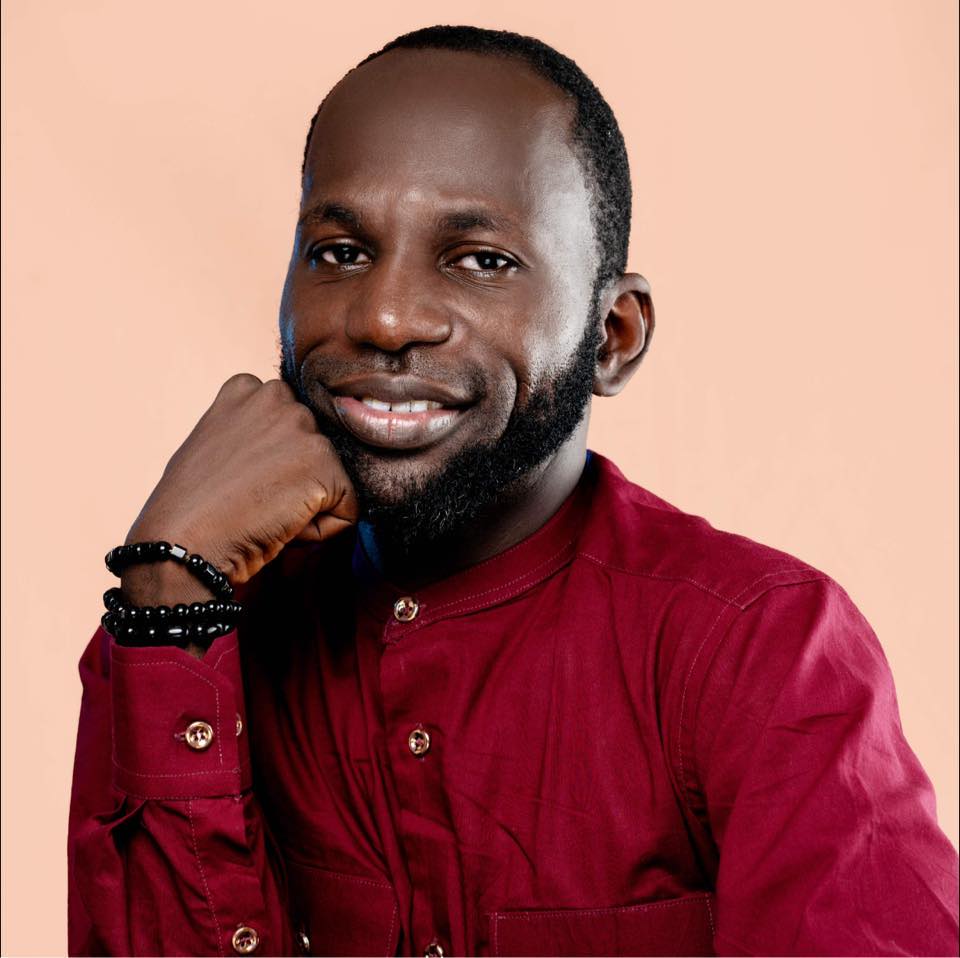
Meet Kehinde Ajose – Founder, Visibility Solutions Media Ltd.
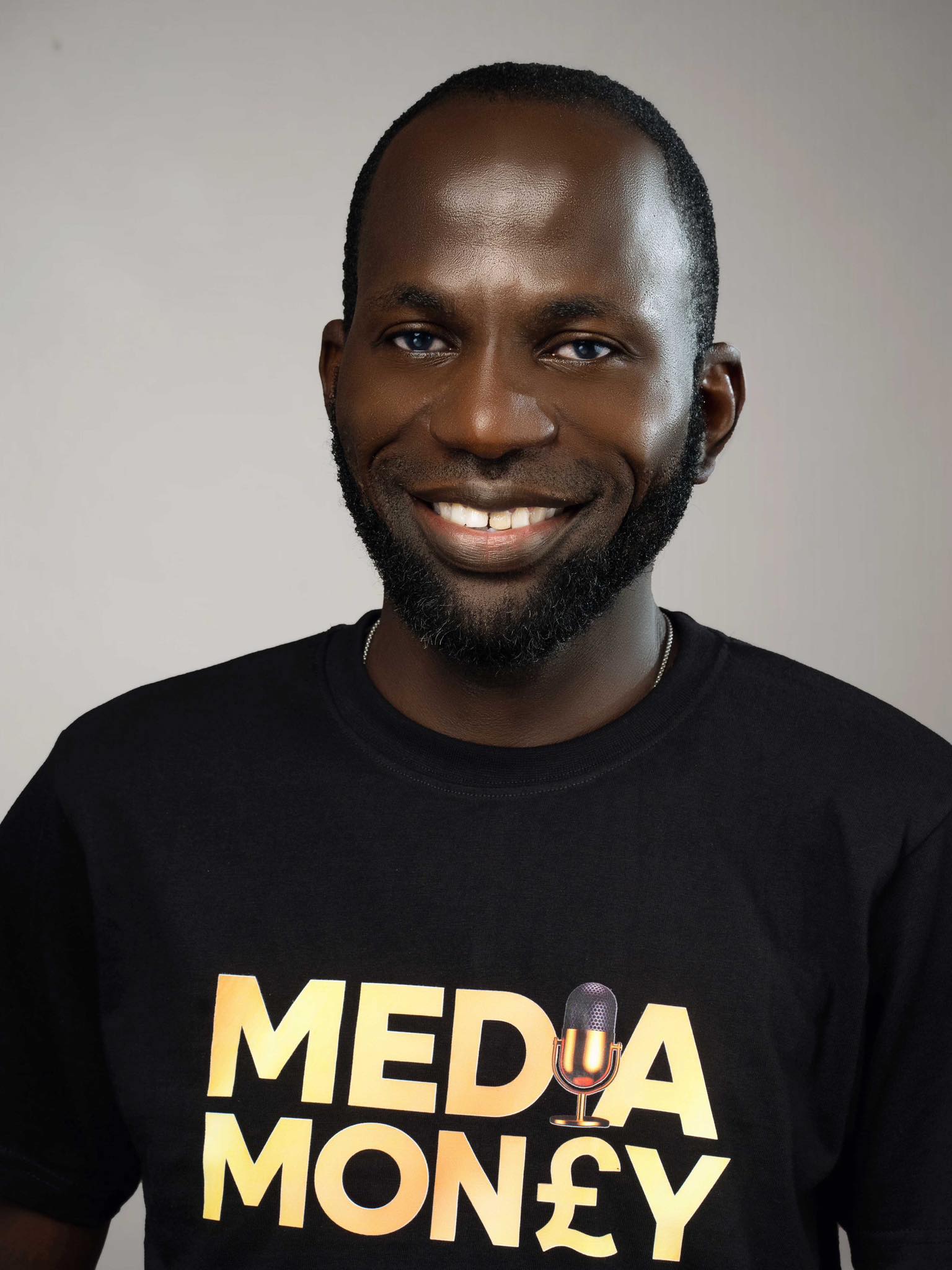
In today’s digital economy, visibility is currency—and those who understand how to shape perception hold a powerful advantage.
For Kehinde Ajose, the journey into entrepreneurship was not sparked by sudden capital or a single breakthrough moment, but by a gradual evolution shaped by environment, exposure, and self-awareness. Raised in the Amuwo Odofin area of Lagos within a middle-class family, his early life was defined by a blend of structure and enterprise. With a mother who worked as a civil servant and a father deeply involved in multiple business ventures—from real estate to fashion—he grew up at the intersection of discipline and entrepreneurship.
These dual influences quietly laid the foundation for how he would come to see work, money, and long-term value creation.
Before stepping into entrepreneurship, his ambitions evolved over time—from aspiring to become a doctor, to exploring music and creative expression, and eventually finding his footing in media. His early career as a journalist, including roles in a national daily and later as an entertainment editor for an online platform, exposed him to storytelling, public perception, and the power of narrative.
But it was within that space that he began to notice a gap.
In this MINE 1000 Spotlight, he shares his evolution from media professional to founder, offering deep insights into storytelling, positioning, and the realities of building a service-based business in Nigeria.
SECTION A — THE FOUNDER’S ORIGIN STORY 
Every giant once stood on wobbly legs.
What is your full name and what do you prefer to be called?
Kehinde Ajose
Where did you grow up?
I grew up around the Amuwo Odofin axis on the Lagos Mainland in a middle-class family. It was a structured but dynamic environment, shaped by the everyday energy of Lagos. Growing up there helped build my resilience, adaptability, and early sense of independence, surrounded by a mix of cultures and constant activity.
What did your parents do for a living, and how did that shape your view of work and money?
My mother worked as a civil servant with the Lagos State Government, while my father was an entrepreneur involved in multiple ventures, including real estate, fashion, and community development. Growing up in that environment exposed me early to both structure and enterprise. From my mother, I learned discipline and consistency, and from my father, I absorbed initiative, hard work, and the importance of building multiple streams of income. Together, their influence shaped how I view work, money, and long-term growth.
Before entrepreneurship, what did the younger version of you dream of becoming?
Before entrepreneurship, I had different aspirations at various stages of my life. At one point, I wanted to become a doctor, driven by a desire to help people. Later, I explored music more seriously because I can sing and play a few instruments, and I was drawn to the creative expression it offered. Eventually, my interest shifted to media, and that discovery changed everything for me. It gave me a clearer direction and ultimately led me into the path I’m on today.
Describe the moment you realized you wanted to run your own business. Was it a gradual awakening or a lightning bolt moment?
Who is the one person (alive or dead, known personally or not) that you would credit as an inspiration for your entrepreneurial journey?
SECTION B — THE BUSINESS BIRTH
From idea to first sale.
What is your official business name?
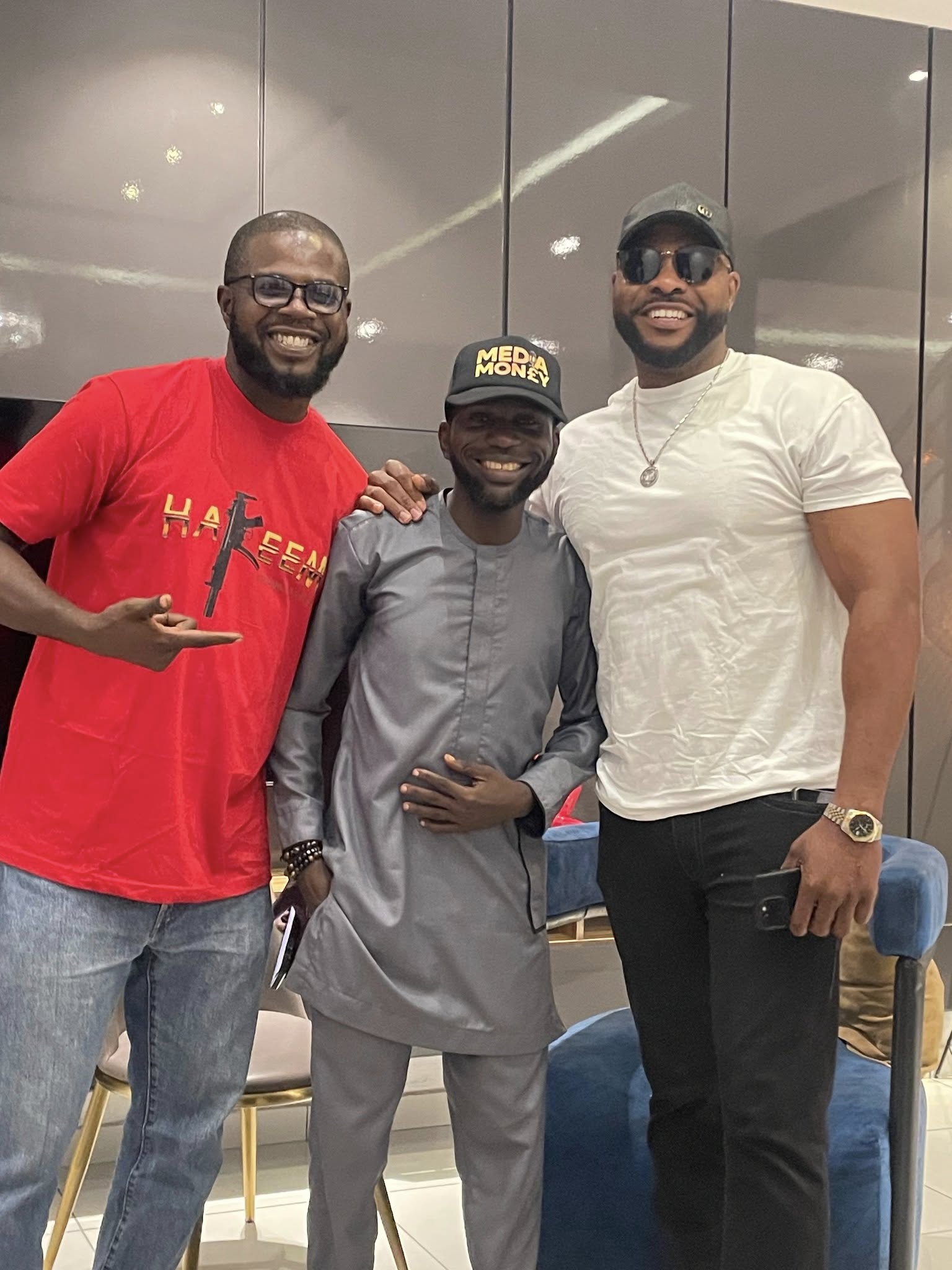
VISIBILITY SOLUTIONS MEDIA LTD. 9063182
SECTION C — THE STRUGGLE CHRONICLES
What didn’t kill the business…
Describe a moment when you almost quit. What pushed you to the edge, and what pulled you back?
There were moments in the early stages when the pressure of uncertainty and inconsistent income made me question the path I had chosen. What pushed me to the edge was the gap between effort and immediate reward. However, what pulled me back was the growing recognition that people were beginning to trust my work beyond journalism, and the belief that I was building something with long-term relevance in the media and PR space.
What was your lowest financial point: (e.g., couldn’t pay rent, staff salaries, almost bankrupt)?
My lowest financial point was during the transition period when income from journalism and early media gigs became irregular. It wasn’t a situation of complete collapse, but there were stretches where cash flow was unpredictable and I had to be very disciplined with spending and reinvestment to keep things moving.
Have you ever been betrayed in business: By a partner, employee, or customer: How did you handle it?
Yes, like many entrepreneurs, I’ve experienced situations where expectations were not met in partnerships or collaborations. I wouldn’t frame it only as betrayal, but as lessons in trust, clarity, and structure. I handled it by stepping back, reassessing agreements, and tightening how I structure future collaborations to avoid ambiguity.
What sacrifices have you made personally for this business: (Time with family, health, relationships, sleep, etc.)?
I’ve made significant sacrifices in terms of time, rest, and personal flexibility. There were periods where sleep was reduced, social life was limited, and personal time had to take a back seat to building the business. The focus has often been on long-term growth over short-term comfort.
How has entrepreneurship affected your mental and emotional health: What do you do to stay grounded?
Entrepreneurship has tested my mental and emotional resilience, especially in dealing with uncertainty and responsibility. To stay grounded, I take intentional breaks, disconnect when necessary, and rely on reflection, prayer, and time away from work environments to reset mentally.I also listen to God’s word.It has been my compass.
What criticism or doubt did you face from friends or family when you started, and do they still doubt you?
Initially, there was understandable concern and doubt, especially around leaving the relative stability of traditional media. Over time, as the business began to show structure and results, much of that doubt reduced, replaced by support and acknowledgment of the progress made.
Have you ever had to lay someone off: How did that feel, and how did you handle it?
No, I have not had to lay anyone off so far in my business journey. However, I approach team and collaboration decisions with clarity and responsibility, ensuring expectations and commitments are properly managed from the outset to avoid situations that would require that.
SECTION D — THE BREAKTHROUGH MOMENTS
The tide turns.
What was the single biggest opportunity that changed your business trajectory?
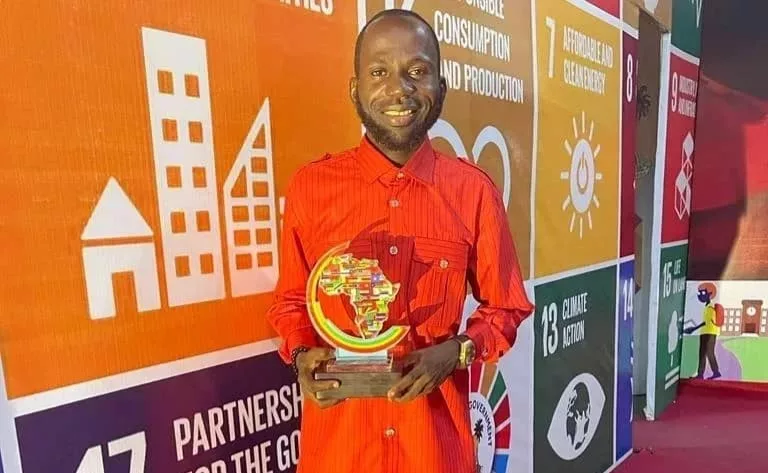
The biggest turning point was when my work began to extend beyond traditional journalism into structured PR and media visibility consulting. As more professionals and brands started reaching out for strategic positioning and media relations support, it became clear there was a real demand for what I was building. That shift moved me from being service-based in media to operating more strategically in communications and visibility consulting.
Describe your “first million” moment (first ₦1 million in revenue or profit). How long did it take, and how did you celebrate?
Who believed in you when it mattered most, and what did they do?
What is the one decision you made that turned out to be brilliantly right, even if it seemed risky at the time?
Tell us about a mentor, advisor, or supporter who made a difference. What specific advice changed your approach?
When did you first realize, “I might actually pull this off”?
SECTION E — THE BUSINESS TODAY
Where things stand.
Current locations: Where do you operate now compared to where you started?
Annual revenue range?
₦5M – ₦25M
What is the biggest operational challenge you face right now?
The biggest challenge is scaling structure while maintaining quality and personalization. As demand grows, ensuring consistency in delivery and systems remains a key focus area.
How has your role as founder changed from when you started to now?
When I started, I was heavily involved in execution—handling almost everything myself. Now, my role is more strategic, focused on direction, positioning, client relationships, and business growth, while delegating more operational tasks to trusted collaborators.
SECTION F — LESSONS FROM THE TRENCHES
If I knew then what I know now.
What do you know now about running a business in Nigeria that you wish you knew on Day 1?
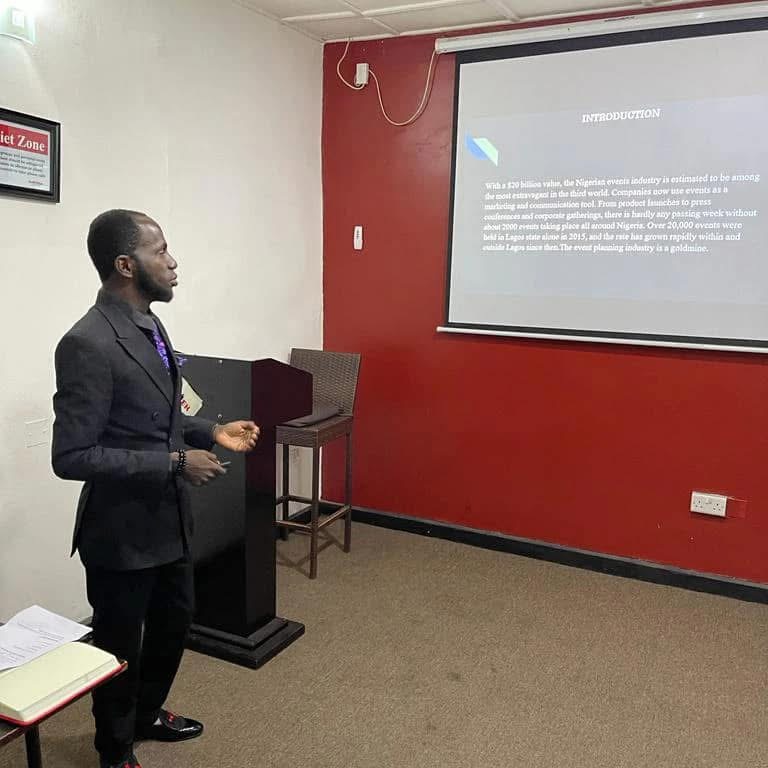
Clarity and structure matter far more than just talent or effort. I wish I understood earlier that in Nigeria, consistency, documentation, and positioning are what sustain a business long-term—not just delivering good work. Systems and relationships are just as important as skill.
What is the biggest myth about entrepreneurship that you want to debunk?
“That entrepreneurship is purely freedom or quick financial success. In reality, it is often delayed gratification, heavy responsibility, and constant problem-solving before any real stability is achieved.”
What specific skill has proven most valuable to your success?
Strategic communication and sales. The ability to clearly articulate value, position ideas properly, and convert conversations into paying opportunities has been the most valuable skill in my journey.
What system, tool, or habit has made the biggest difference to your productivity?
Intentional planning and structured communication. Keeping clear records of client interactions, setting priorities weekly, and being deliberate about how I manage visibility and outreach has made a significant difference.
How do you handle the “government factor” (taxes, regulations, permits) in Nigeria?
I handle it byseeking proper guidance when needed, and maintaining a structured approach to documentation and business registration. It’s about being informed and proactive rather than reactive.
What advice would you give to someone who wants to start the same kind of business as yours?
Focus on understanding how visibility works before trying to sell it. Build credibility first through your own positioning, learn how media narratives are shaped, and start with relationships you already have. Don’t rush scale—focus on authority and consistency.
What question do you wish aspiring entrepreneurs would ask you, and what’s your answer?
“They should ask: ‘What is the real power of building a personal brand?’ The answer is that your personal brand becomes your most valuable asset. It determines how people perceive your work before they even experience it, it opens doors that skill alone may not unlock, and it compounds over time to create trust, authority, and consistent opportunity. In many cases, it is the difference between being overlooked and being sought after.”
SECTION G — IMPACT & LEGACY
Beyond the balance sheet.
Beyond making money, what problem does your business solve?
My business solves the problem of visibility and narrative misrepresentation. Many individuals and brands struggle with how they are perceived publicly, and I help bridge that gap by ensuring their stories are properly structured, positioned, and communicated through credible media channels. It ultimately helps people and organizations gain authority, trust, and influence.
How many Nigerian families depend on your business for their livelihood (including indirect dependents)?
I currently work with a lean structure and a network of collaborators, freelancers, and service providers. While it is not a large corporate structure, several individuals are engaged across different projects and benefit directly and indirectly from the business ecosystem.
Do you manufacture or produce anything in Nigeria?
No, the business is service-based. I operate within media visibility, narrative engineering, and PR consulting rather than physical production or manufacturing
Have you been able to mentor or support other entrepreneurs: How?
Yes, I have been able to support and guide emerging professionals and entrepreneurs, especially within media and communications. This has been through informal mentorship, strategic advice, collaboration opportunities, and helping them understand positioning, storytelling, and visibility strategy.
If your business disappeared tomorrow, who would miss it most and why?
Individuals and brands who rely on structured media visibility and narrative positioning would feel the impact most. These are clients who depend on strategic storytelling to shape perception, build credibility, and gain access to new opportunities.
What does “Made In Nigeria” mean to you personally?
M.I.N.E.
M – Mindset: It represents a resilient and innovative mindset that thrives despite challenges and limitations in the environment.
I – Identity: It reflects pride in Nigerian identity and the ability to create value rooted in local experience but relevant globally.
N – Nation-building: It is about contributing meaningfully to the growth of Nigeria through creativity, enterprise, and impact-driven work.
E – Excellence: It stands for the pursuit of excellence regardless of circumstance, proving that world-class standards can be built from here.
What kind of legacy do you want to leave through this business?
I want to leave a legacy of redefining how African narratives are positioned globally—showing that visibility is not accidental but intentional. I want to be remembered for building a system where people and brands understand the power of storytelling and use it to create lasting influence.
SECTION H — THE FUTURE
What’s next?
Where do you see your business in 5 years?
In the next five years, I see the business evolving into a leading media visibility and narrative strategy firm with a strong presence across Africa and key global markets. The goal is to become a reference point for strategic storytelling, reputation management, and media positioning for high-level individuals, brands, and institutions.
What is the biggest goal you haven’t achieved yet?
The biggest goal I am still working toward is scaling the business into a fully structured, globally recognized media and communications firm with strong systems, a solid team, and consistent high-level retainers across multiple markets.
If you had access to unlimited capital tomorrow, what’s the first thing you would do?
I would immediately invest in building a world-class media and communications infrastructure—talent acquisition, technology, research systems, and a strong content and distribution engine that expands the reach and quality of our storytelling capabilities.
What markets outside Nigeria are you eyeing for expansion?
I am particularly interested in expanding into key African markets like Ghana, South Africa, and Kenya, as well as global diaspora hubs in the UK and the United States where African narratives and visibility services are in high demand.
What new product or service are you excited about developing?
I am excited about developing more structured narrative engineering frameworks and digital visibility systems that help clients maintain consistent media presence and authority across multiple platforms over time.
What kind of support do you need most right now to reach the next level?
The most important support right now is strategic partnerships, access to larger media networks, and systems support—particularly in scaling operations, automation, and expanding the reach of our visibility services to a more global client base.
SECTION I — THE HUMAN BEHIND THE BRAND
Personal & Reflective.
What do you do when you’re not working?
I watch movies, listen to music or hangout with friends.
What book, podcast, or movie has influenced your business thinking most?
Books and conversations around branding, media, and personal positioning have influenced me most, especially materials that explore storytelling, perception, and influence. My background in journalism also means I learn a lot from real-life narratives more than a single source.
What’s your favorite Nigerian food, and where do you get the best version of it?
I enjoy well-prepared Nigerian comfort meals, especially dishes like jollof rice and well-made soups. I don’t have a fixed spot, but I tend to appreciate places that prioritize authentic taste and consistency.
Complete this sentence: “Most people don’t know that I…”
Most people don’t know that I play the bass guitar.
If you weren’t running this business, what would you be doing?
If I weren’t running this business, I would likely be an artist or an instrumentalist, fully exploring my creative side in music.
What’s the best piece of advice you’ve ever received (business or personal)?
Perfection is a moving target.Nothing moves until you move. You get better when you do, not avoiding it.
What song gets you through a tough day?
Any Dunsin Oyekan song does it for me.
If you could have dinner with any Nigerian, alive or dead, who would it be and why?
Don Jazzy or Biodun Shobanjo. Don Jazzy because of his consistency, creative genius, and the way he has built and sustained influence in the entertainment industry.
Biodun Shobanjo because of his legacy in advertising, brand building, and shaping modern communications in Nigeria. Both represent mastery in different but powerful aspects of storytelling and influence.
Conclusion: The Storyteller Who Taught Himself to Sell the Story
Kehinde Ajose’s journey is a short lesson in what most founders learn too late:
The work you do is only half the work. The other half is how people come to know you did it.
Most founders accept “Made In Nigeria” as a label. Kehinde Ajose turned it into a worldview.
Mindset.
Identity.
Nation-building.
Excellence.
Four words he spells out of the same acronym that names this entire project — not as a slogan, but as a standard he holds his own work to.
In a media landscape that still rewards borrowed authority and imported frameworks, he built a business on the opposite bet: that a Nigerian story, structured properly and placed in credible channels, can carry as much weight anywhere in the world as one originating from anywhere else.
Visibility Solutions Media is the practical expression of that bet.
From a Lagos newsroom to a media strategy firm operating across Africa — no startup capital, no investors, no inherited rolodex beyond the one he built as a journalist — he has spent seven years proving that positioning is the highest-leverage skill in the creator economy.
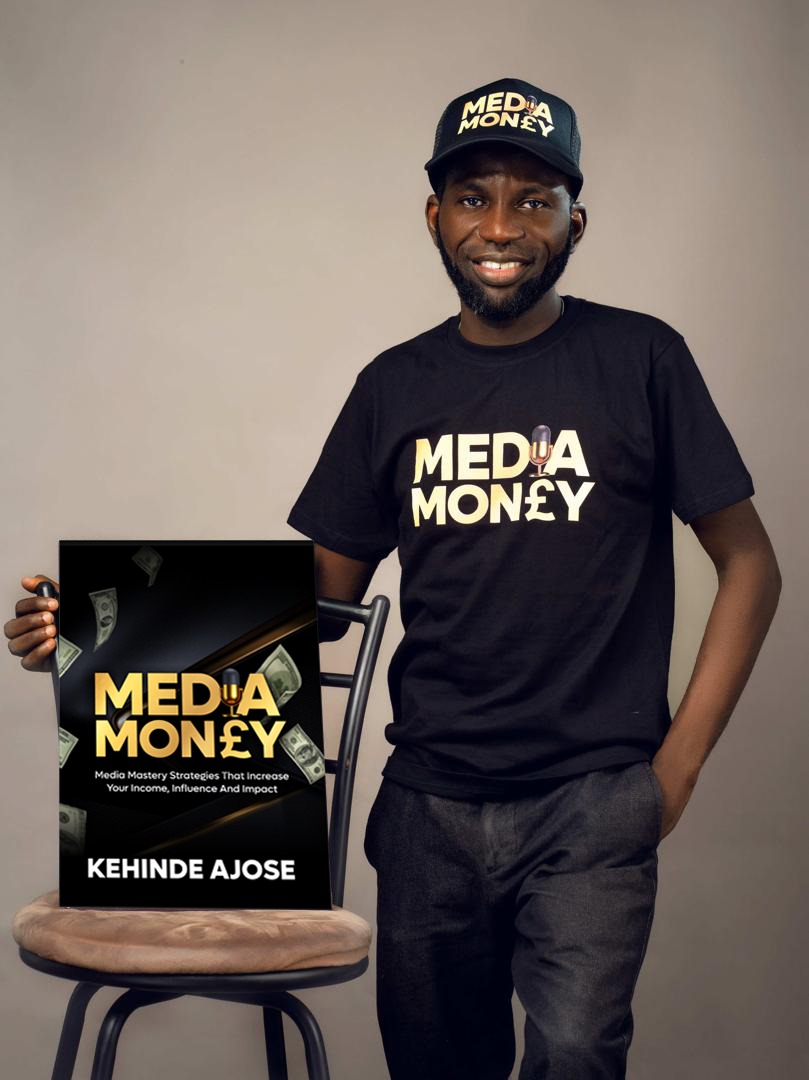
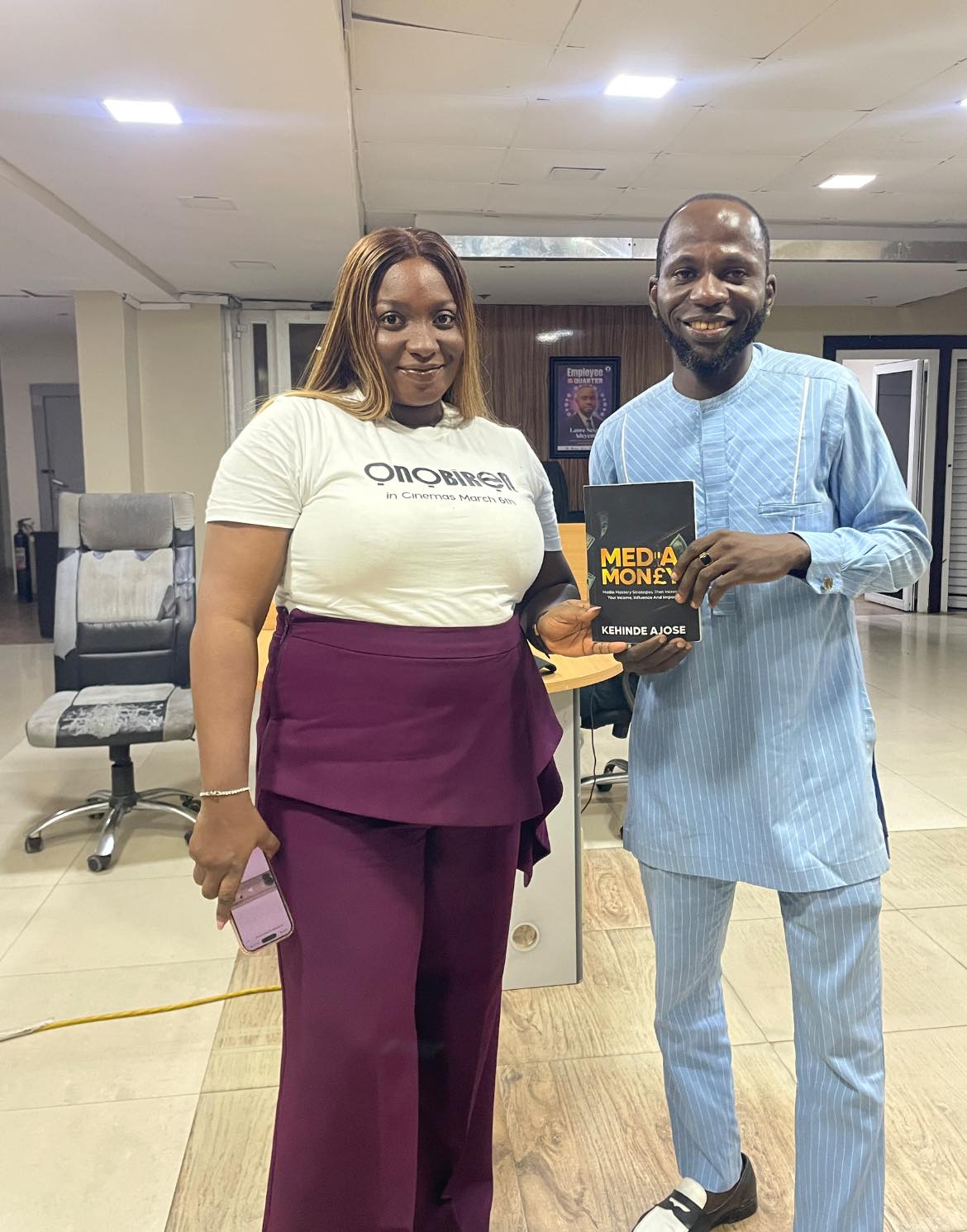
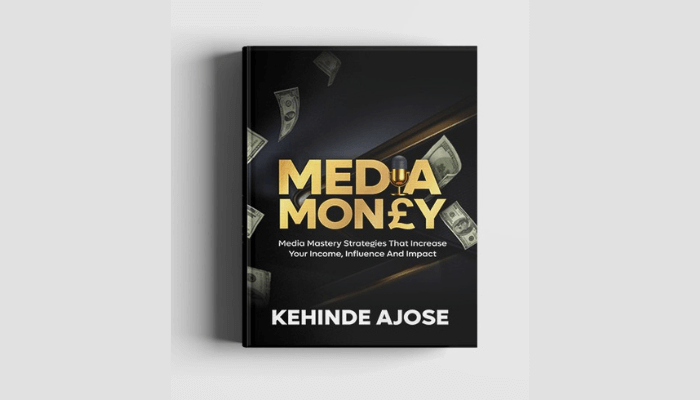
He is the author of two books. The founder of Visibility Solutions Media. The architect behind the Media Money brand. A mentor to emerging professionals across Nigerian media.
And still, by his own admission, he is only getting started.
Because in an economy where attention is currency and perception is the new balance sheet, the people who understand visibility don’t just get noticed.
They get paid.
