

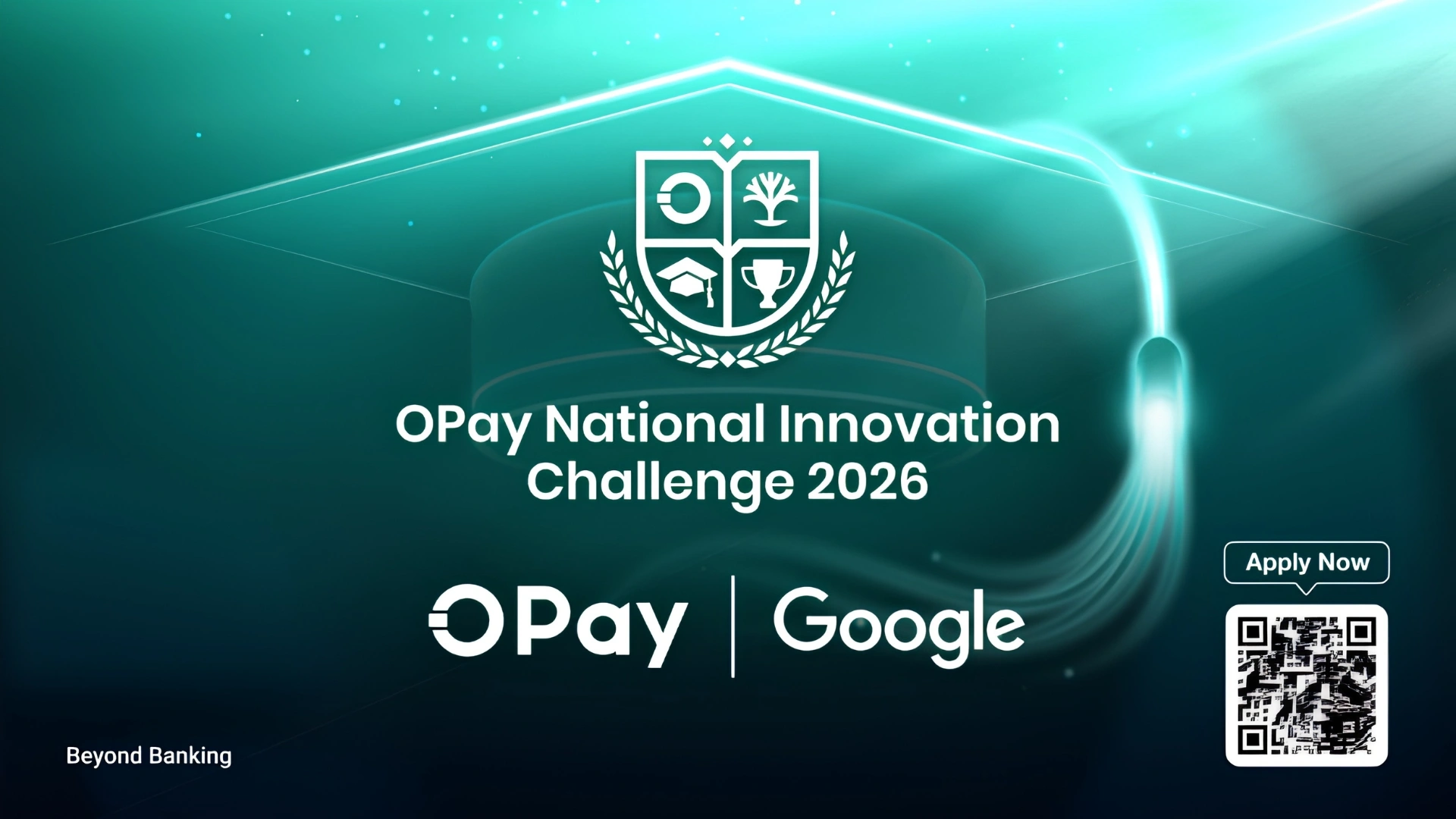
Corporate technology stakeholders have officially opened applications for the Innovation Challenge Nigeria 2026. The nationwide initiative is designed to identify, fund, and scale digital minimum viable products (MVPs) built by undergraduate innovators across Nigerian universities, polytechnics, and colleges. The program bridges the gap between theoretical academic research and practical commercial deployment, offering student founders direct access to capital grants, professional mentorship, and employment tracks within Africa’s technology ecosystem.
Rather than acting as a standard academic scholarship scheme, the challenge functions as an early-stage startup accelerator. It focuses on high-potential projects that address deep-seated economic and social challenges using modern software tools, cloud computing, and automated data architectures.
1. Portfolio Matrix: Target Technology and Innovation Sectors
The 2026 challenge invites applications across eight high-growth, data-driven industries. Rather than accepting basic conceptual essays, the selection board requires functional digital mockups or working software prototypes that tackle specific systemic bottlenecks:
-
Fintech & Digital Payments: Building alternative mobile money applications, uncollateralized lending algorithms for market traders, or blockchain-based cross-border remittance solutions to deepen national financial inclusion.
-
Agritech & Supply Chain Systems: Designing smart farming sensors, open agricultural marketplaces, or automated inventory tracking software to reduce food waste between rural farms and urban markets.
-
Healthtech & Diagnostics: Developing low-bandwidth telemedicine platforms, digital record systems for rural clinics, or AI-assisted diagnostic utilities designed to support local healthcare workers.
-
Cybersecurity & Identity Infrastructure: Creating lightweight fraud-detection APIs, biometric protection layers, and automated threat-monitoring tools to protect local corporate digital systems.
2. Tiered Financial Rewards and Corporate Fellowships
The competition provides a structured ₦18 million project grant pool along with secondary educational endowments to ensure top winners can successfully build out their tech prototypes without financial distraction:
| Selection Placement Tier | Immediate Capital Grant | Academic Scholarship | Corporate & Ecosystem Acceleration Benefits |
| First-Place Winner | ₦10,000,000 | ₦300,000 | Prototype advisory support, national media visibility, and direct corporate recruitment tracks. |
| Second-Place Winner | ₦5,000,000 | ₦300,000 | National media exposure and an automatic seat in the OPay Innovation Fellowship. |
| Third-Place Winner | ₦3,000,000 | ₦300,000 | Certificate of venture execution and an automatic seat in the OPay Innovation Fellowship. |
The inclusion of the OPay Innovation Fellowship ensures that second and third-place winners receive practical, hands-on experience inside a high-volume financial technology firm. This training exposes student founders to real-time transaction routing, large-scale database management, and corporate compliance architectures.
3. Enforcing Academic and Technical Selection Metrics
To filter for disciplined execution, the organizing committee enforces strict academic and technical baselines. Applicants from universities must maintain a minimum Cumulative Grade Point Average (CGPA) of 3.5 out of 5.0, while polytechnic and college applicants must show a minimum CGPA of 2.8 out of 4.0.
Furthermore, the evaluation team requires all participants to demonstrate proficiency in modern AI-assisted design systems, specifically highlighting the Canva-Gemini workflow. This requirement ensures that applicants can use advanced artificial intelligence models to rapidly build user interfaces, draft product requirements, and design professional market presentations. While selection is strictly merit-based, the admissions board will give preference to brilliant student innovators facing documented financial hardships, turning the initiative into a powerful tool for social mobility and inclusive economic growth.
