

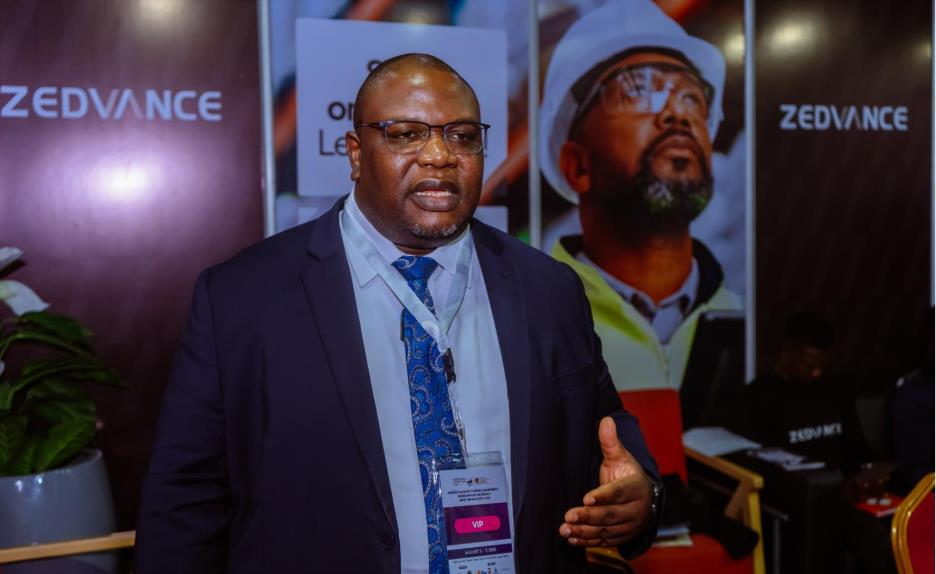
Ayooluwa Oladimeji, the Acting Executive Director of Commercial Solutions at Zedvance, has identified liquidity as the fundamental driver for the expansion of Small and Medium-scale Enterprises (SMEs) in Nigeria. During a recent broadcast on ARISE News, Oladimeji argued that the nation’s economic productivity is inextricably linked to the ease with which businesses can secure funding.
He characterized the current financial landscape as a bottleneck, where viable commercial concepts and scaling strategies are frequently paralyzed by a lack of ready capital.
Bridging a ₦90 Trillion Divide
Oladimeji provided a sobering perspective on the scale of the challenge, estimating Nigeria’s total SME financing deficit to be between ₦75 trillion and ₦90 trillion. While Zedvance has made significant strides—injecting nearly ₦100 billion into various industries over the last year and a half—he noted that this is merely a “drop in the bucket” compared to the overall market demand.
To address this gap, Zedvance has strategically pivoted from its traditional focus on consumer loans to commercial lending, specifically targeting growth-stage enterprises. This shift is powered by:
-
Technological Integration: Utilizing Artificial Intelligence (AI) to accurately evaluate credit risk and speed up the approval process.
-
Operational Agility: Leveraging fintech flexibility to offer repayment structures that match the actual cash flow cycles of local vendors.
-
Sector-Specific Targeting: Focusing resources on high-growth areas such as agro-processing, digital services, and sustainable green mobility.
Technology as an Enabler
The transition toward a more liquid SME sector depends heavily on innovation. Oladimeji emphasized that traditional banking models often lack the speed required by modern entrepreneurs. By deploying advanced data tools, non-bank financial institutions can provide more tailored and efficient support, moving beyond “one-size-fits-all” financial products.
The Macroeconomic Ripple Effect
Ultimately, the message from Zedvance is clear: liquidity is the “engine room” of the Nigerian economy. By unlocking capital for SMEs, the country can:
-
Accelerate Job Creation: Allowing small firms to transition into medium and large employers.
-
Formalize the Economy: Encouraging businesses to integrate into the regulated financial system.
-
Strengthen National Resilience: Building a diverse industrial base that is less dependent on singular economic variables.
Oladimeji concluded that for Nigeria to realize its full economic potential, the bridge between innovative business ideas and the capital required to execute them must be permanently established through sustained financial innovation.
