

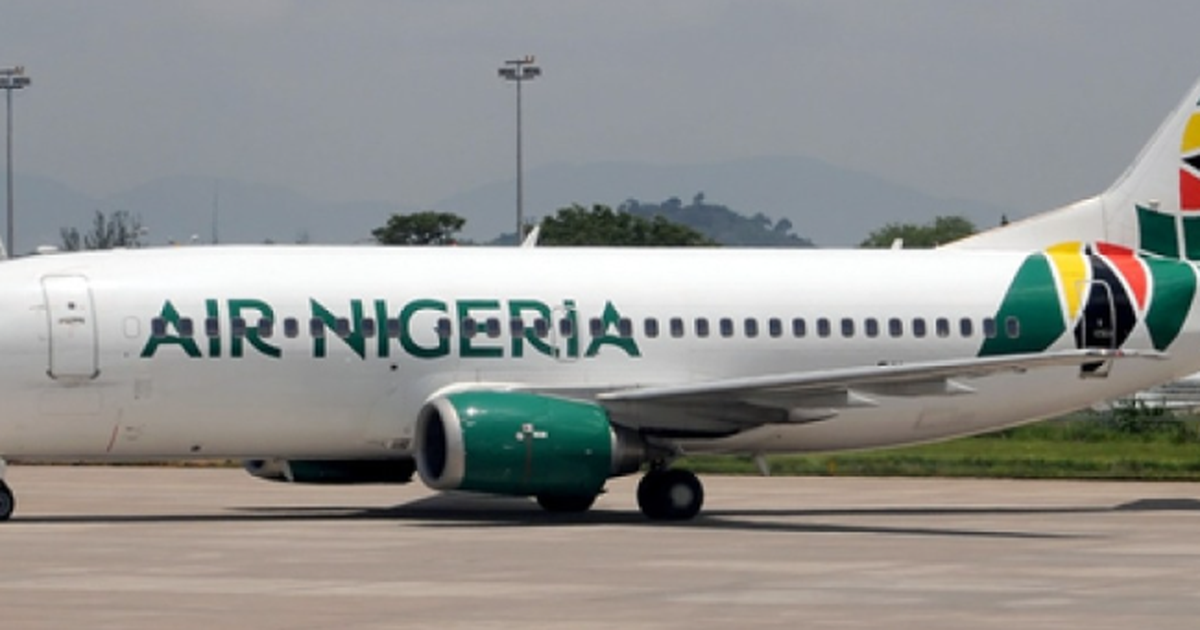
Nigerian air travel has received a temporary reprieve after domestic airlines agreed to rescind a planned nationwide grounding of flights. The Airline Operators of Nigeria (AON), representing the country’s primary local carriers, announced the suspension over the weekend following an urgent appeal from federal authorities to prioritize dialogue over disruption.
The industry had previously threatened to halt all services effective Monday, April 20, citing an “unsustainable” spike in the cost of aviation fuel that threatened the solvency of several companies.
A Conditional Truce
The decision to keep planes in the sky was not an outright cancellation but a “concessionary suspension.” AON confirmed that the pause is tied to a high-stakes mediation meeting organized by the Minister of Aviation and Aerospace Development, Festus Keyamo, scheduled for April 22.
The airlines have laid out specific conditions to maintain operations during this window, including:
-
Liquidity Relief: A demand for service providers to stop insisting on upfront payments, which operators say is suffocating their daily cash flow.
-
Operational Continuity: Ensuring that government agencies maintain seamless support services to prevent further technical delays.
Global Pressures and Local Bottlenecks
The crisis in the Nigerian skies is a localized symptom of a global energy shock. The ongoing conflict involving Iran has sent international jet fuel prices soaring, forcing carriers worldwide to adjust their financial forecasts. However, Nigerian airlines argue that their situation is uniquely dire due to:
-
Forex Volatility: The difficulty in accessing foreign exchange to pay for imported fuel.
-
Supply Chain Inefficiencies: Persistent local constraints that drive prices higher than the global average.
-
Cost Ratios: In Nigeria, fuel typically consumes over 33% of an airline’s total revenue, making even slight price hikes devastating to the bottom line.
What’s at Stake?
The potential shutdown threatened to paralyze the movement of people and high-value goods across the federation. Beyond traveler convenience, a prolonged aviation strike would have severe ripple effects on:
-
The Hospitality Sector: Drastic drops in hotel occupancy and tourism revenue.
-
Corporate Productivity: Delays in essential business travel and physical commerce.
-
National Security: Disruptions to the rapid deployment of personnel and logistics.
As the April 22 deadline approaches, all eyes are on the Ministry of Aviation to see if the government can provide a long-term subsidy or structural solution that prevents the industry from reaching another breaking point.
