

A primary constraint on private sector expansion in emerging markets is the accumulation of sovereign arrears. When a government delays payments to its private contractors, it inadvertently triggers a chain reaction of financial distress: businesses default on commercial bank loans, supply chains lock up, and infrastructure projects stall.
To clear these bottlenecks, Nigeria’s Federal Ministry of Finance has executed a coordinated fiscal intervention. The government has disbursed ₦700 billion (approximately $514.2 million USD) to settle outstanding liabilities owed to more than 1,240 indigenous contractors.
According to official data released by the Ministry of Finance, the government accelerated payments in May 2026 alone, releasing ₦436.6 billion of the total package to flush immediate liquidity back into the real economy.
The Cap on Claims: Spreading the Velocity of Capital
To ensure these funds would directly stimulate the economy rather than benefit only a few large conglomerates, the Ministry of Finance enforced a strict priority rule: claims capped at ₦100 million or less were moved to the front of the queue.
This selective clearing process provides several key benefits:
-
SME De-Risking: It channels cash directly to micro, small, and medium-sized enterprises ($\text{MSMEs}$) that lack the deep credit lines needed to survive multi-year payment delays.
-
Project Remobilization: It enables smaller contractors to pay off suppliers, clear back-wages for workers, and return to stalled public works sites.
-
Broad Economic Impact: By spreading the ₦700 billion across 1,240 distinct entities instead of a handful of large multi-nationals, the government increases the velocity of money across multiple state economies and sectors.
The payout followed a rigorous verification process to eliminate duplicate billing, inflated invoices, and unverified claims from the state’s accounts.
The Power Sector Cleanup: The ₦501 Billion Bond Run
While the ministry addresses real-sector contractors with direct cash payouts, it is using structured debt markets to clean up the country’s energy sector liabilities.
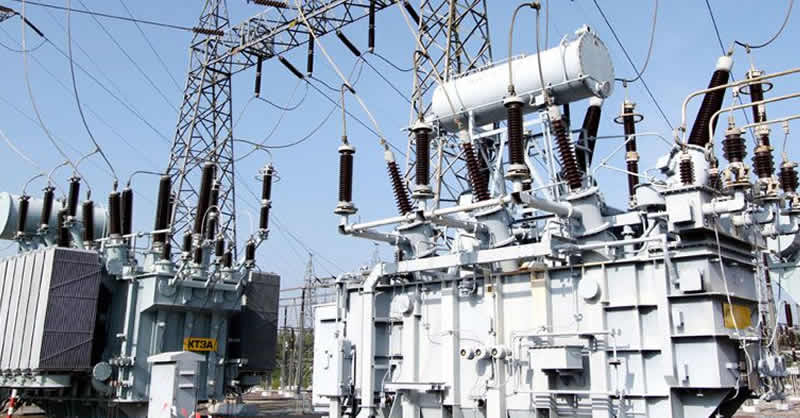
In a parallel fiscal move, the federal government successfully raised ₦501 billion through a specialized bond issuance under the Presidential Power Sector Debt Reduction Program (PPSDRP).
The bond issuance found strong demand in the capital markets, achieving a 100% subscription rate from major domestic institutional investors, including Pension Fund Administrators ($\text{PFAs}$), commercial banks, and asset management firms.
The capital raised through this bond is strictly earmarked to settle over a decade of unpaid debts owed to electricity Generation Companies ($\text{GenCos}$) and gas suppliers. These long-standing arrears have restricted liquidity, driven up non-performing loans in the banking sector, and discouraged foreign direct investment ($\text{FDI}$) in the power grid.
