

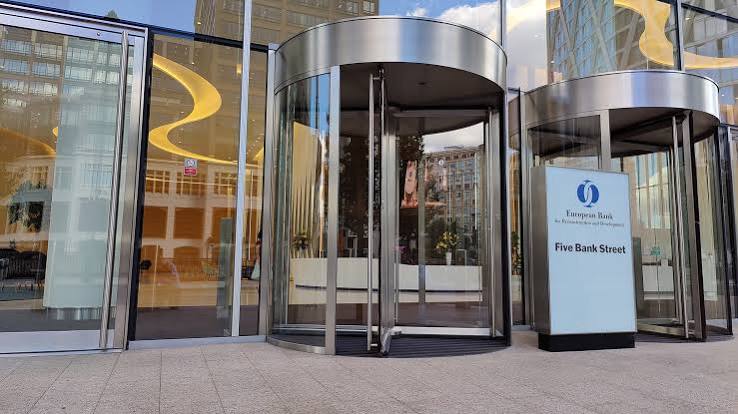
A Structural Shift in Development Finance
The geopolitical race to finance emerging markets has entered a highly competitive phase following a major geographic pivot by the European Bank for Reconstruction and Development (EBRD). By establishing its inaugural physical hub in Lagos, the London-headquartered multilateral lender has broken away from its traditional operational footprint in Eastern Europe and Central Asia, committing an initial USD 1.5 billion (approx. KES 195 billion) to reshape the African private sector.
Instead of financing sovereign government budgets or massive state-led infrastructure deficits, the lender plans to deploy its proprietary “transition-finance model.” Refined during the post-Cold War restructuring of emerging European economies, this framework channels capital directly into private enterprises, green energy operations, and mid-tier commercial lenders to bypass public bureaucratic bottlenecks.
The Five-Market Geographic Matrix
The investment deployment follows a targeted regional strategy over the next three years, anchoring its West African operations in Nigeria while positioning Kenya as the economic gateway for East Africa.
Strategic Impact on the East African Tech Hub
The inclusion of Kenya within the initial deployment wave provides the lender with immediate access to the continent’s most sophisticated digital ecosystem, often dubbed the Silicon Savannah. The deployment targets three distinct structural opportunities:
-
Unlocking Aggressive SME Credit: Local small and medium enterprises frequently face severe credit crunches due to risk-averse domestic banking policies. The influx of low-interest transition capital aims to lower borrowing barriers.
-
Expanding Green Infrastructure: With Kenya’s national grid operating at over 90% renewable capacity, the bank’s strict climate-resilient mandate matches Nairobi’s ambitions to become a global eco-manufacturing center.
-
Providing a Geopolitical Counterweight: The introduction of flexible European private equity offers regional governments an alternative to the heavy infrastructural debt frameworks traditionally sourced from Asian state lenders.
Navigating Local Macroeconomic Headwinds
Despite the scale of the capital injection, the lender enters the market during a period of intense macroeconomic friction. Sub-Saharan markets are currently managing systemic currency depreciation, aggressive central bank interest rate hikes, and severe cost-of-living challenges driven by fiscal subsidy adjustments and currency floats.
To prevent this capital influx from merely inflating corporate balance sheets, the institution must demonstrate deep operational agility. The transition strategies that proved successful in highly integrated European markets like Poland or Turkey will require extensive localized adaptation to match the unique regulatory and consumer realities of West and East Africa.
