

It has been a whirlwind week for Nigerian macroeconomics and regulation, with major moves in energy debt, data security, and national reserves. Here are the five key stories you need to know:
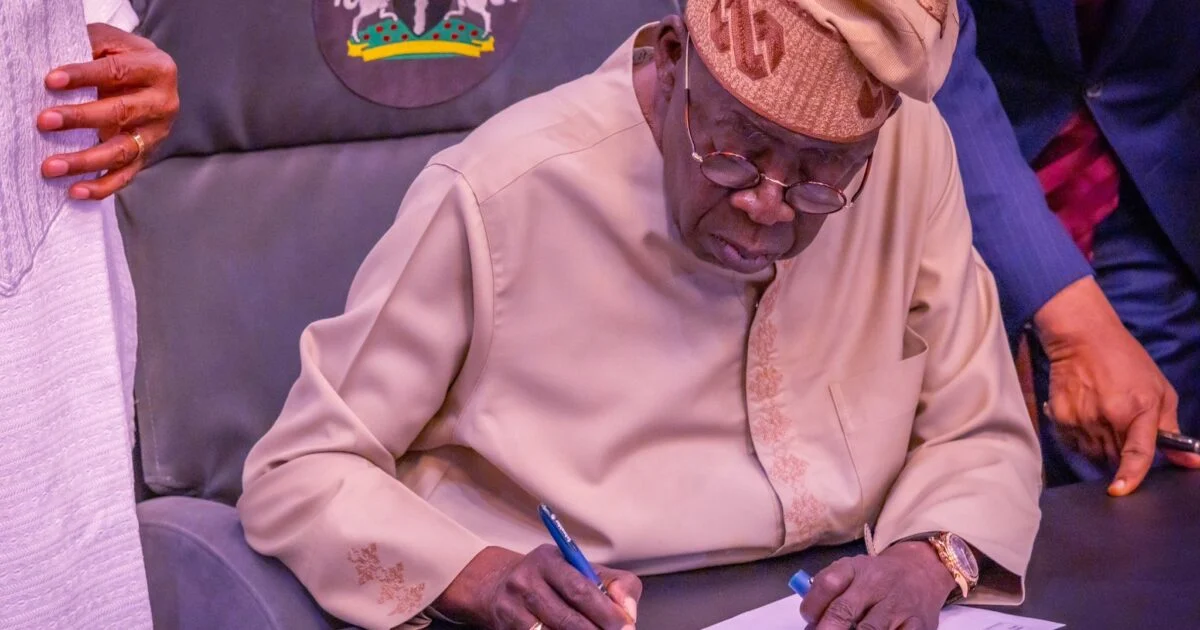
1. The ₦3.3 Trillion Power “Reset” In a massive move to unstick Nigeria’s struggling energy value chain, President Bola Tinubu has approved a formal payment plan to settle ₦3.3 trillion in legacy debts within the power sector. This debt has been a “choke point” for over a decade, preventing GenCos and DisCos from reinvesting in infrastructure. The move is part of the Presidential Power Sector Financial Reforms Programme and aims to finally stabilize the nation’s grid.
2. Data Breach Investigation: Remita & Sterling Bank The Nigeria Data Protection Commission (NDPC) has officially launched a probe into Remita Payment Services Ltd. and Sterling Bank. The investigation follows claims by a hacking entity, “Bytetobreach,” which published a list of firms it allegedly compromised. The NDPC is currently verifying the types of personal data involved and the extent of the exposure to protect millions of Nigerian bank users.
3. Oil Reserves Dip, Gas Rises The NUPRC has released the latest scorecard for Nigeria’s natural resources as of January 1, 2026:
-
Crude Oil & Condensates: Dropped to 37.01 billion barrels (down from 37.28 billion in 2025).
-
Natural Gas: Successfully rose to 215.19 trillion cubic feet (tcf), signaling a positive shift toward Nigeria’s “Decade of Gas” ambitions.
4. Tax Deadline Extension: A Relief for Payers If you haven’t filed your individual income tax returns yet, you have some breathing room:
-
FCT-IRS (Abuja): Deadline extended by one month to April 30, 2026.
-
LIRS (Lagos): Deadline extended to April 14, 2026. Authorities noted the extensions are intended to help taxpayers provide more accurate data and avoid penalties during the current economic transition.
5. LCCI Takes “Indigenous” Global The Lagos Chamber of Commerce and Industry (LCCI) is hosting a critical 2-day workshop (April 8–9) titled “From Indigenous Production to Global Markets.” Featuring NAFDAC DG Mojisola Adeyeye, the program is designed to coach local manufacturers on the brutal reality of international logistics, regulatory compliance, and how to actually get Nigerian-made goods onto foreign shelves.
