

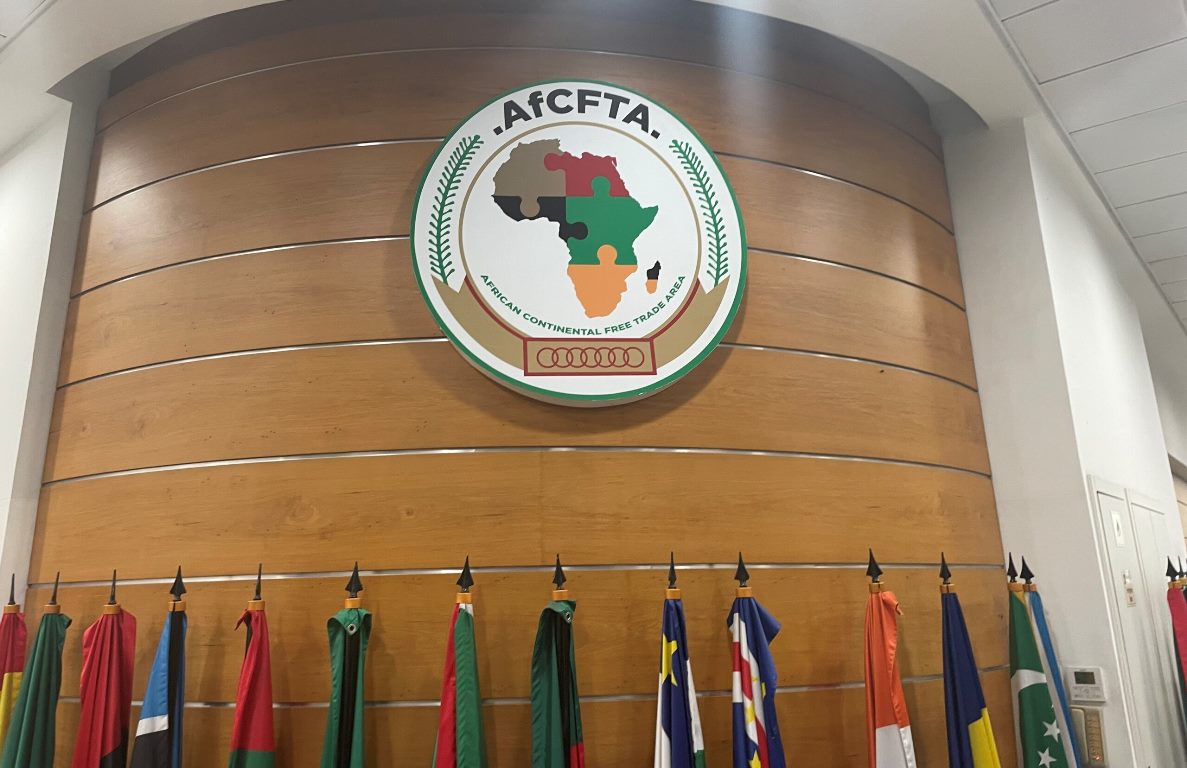
Discussions surrounding Africa’s economic prospects frequently stall at the aspirational phase, leaning on promotional rhetoric rather than concrete deal execution. While free trade frameworks offer the theoretical space for regional integration, expanding actual merchant markets requires a functional transactional infrastructure. This means bringing together cross-border logistics managers, early-stage venture financiers, and institutional diaspora capital to structure high-volume, cross-continental trade agreements.
To transition these pan-African market opportunities from conversation to transaction, global trade platform Afretrade Inc. is hosting the maiden edition of The Afretrade Entrepreneur’s Festival (TAEF 2026).
Holding from June 17 to June 19, 2026, at the Eko Hotel & Suites in Victoria Island, Lagos, the summit will establish an execution-driven ecosystem. The three-day marketplace focuses on connecting small and medium-sized enterprises (SMEs) directly with alternative global off-takers and private equity funds.
Bridging the Trade Deficit: Leveraging the AfCFTA Runway
The scheduling of TAEF 2026 is a calculated response to the changing trade policies across the continent. Intra-regional trade within Africa has historically been restricted by siloed borders, complex customs processes, and fragmented currency markets, leaving it at just 14.4% of total trade activity.
However, policy adjustments driven by the African Continental Free Trade Area (AfCFTA) are successfully reshaping this landscape:
-
Expanding Trade Flows: Intra-African commerce reached $220 billion in 2024, with the AfCFTA Secretariat projecting a steady expansion to $230 billion.
-
Diaspora Integration: In collaboration with the Nigerians in Diaspora Commission (NiDCOM) under Chairman Abike Dabiri-Erewa, the summit sets up explicit frameworks to move diaspora inflows away from basic family remittances and redirect them into formal equity investments in local consumer goods, tech, and manufacturing firms.
-
The Transatlantic Axis: The presence of senior international policy figures—including California’s Secretary of Transportation, Toks Omishakin—highlights a growing institutional link between North American regulatory bodies and Nigerian commercial nodes, paving the way for streamlined logistics and export-import operations.
The Operational Modules: Moving Beyond Traditional Conferences
TAEF 2026 moves away from traditional lecture-heavy panels by organizing its three-day schedule into dedicated, deal-focused workspaces designed to produce measurable business outcomes
Lekan Salaam, Founder & CEO of Afretrade Inc., outlined the platform’s focus on enterprise independence: “Africa does not need aid. Africa needs entrepreneurs, systems, and access. TAEF is where we build all three.”
Lagos as Africa’s Dominant Commercial Gateway
Selecting Lagos as the home for the festival’s maiden edition reflects the city’s outsized weight within the wider continental economy.
Boasting a purchasing power parity (PPP) adjusted GDP of $259 billion, Lagos stands as the second-largest urban economy on the continent, outmatched only by Cairo. This high concentration of industrial activity, creative export clusters (such as film, music, and fashion), and deep financial services rails makes the city an ideal gateway for international capital seeking entry into Africa’s consumer markets.
