

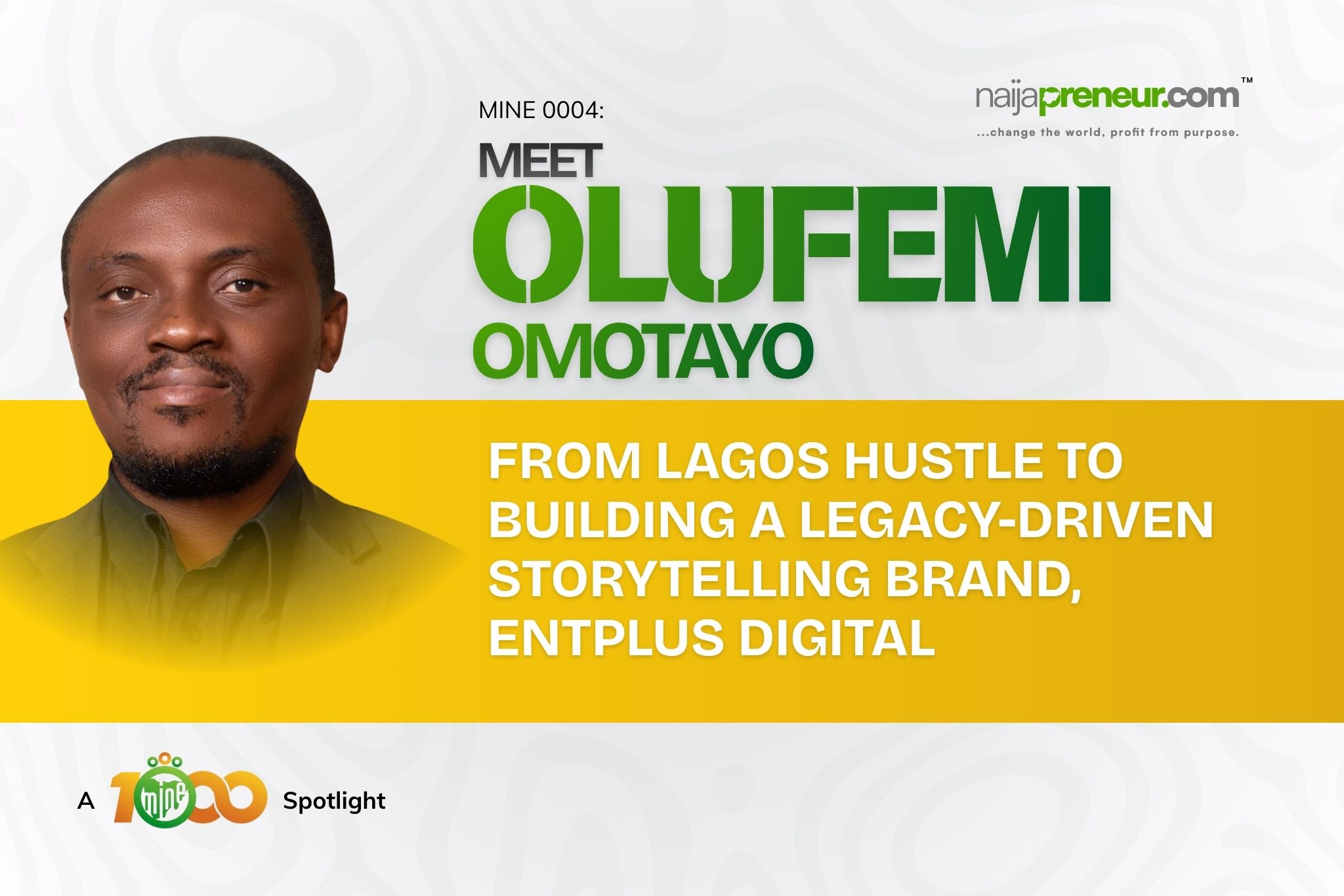
Introducing MINE 1000: The Largest Profiling of Made In Nigeria Entrepreneurs (MINE)
Nigeria’s entrepreneurial spirit is one of its greatest untapped national assets.
Across cities, campuses, and communities, millions of small business owners are quietly building, innovating, and creating value—often without recognition, documentation, or visibility.
MINE 1000 (Made In Nigeria Entrepreneurs 1000) is a bold national initiative by naijapreneur.com to change that.
It is the largest annual profiling of Small Business Owners in Nigeria, capturing 1,000 real entrepreneurial stories from across the country—documenting their journeys, struggles, breakthroughs, and impact. This project is designed to become a permanent digital archive of Nigerian entrepreneurship, accessible to the public, investors, government, researchers, policymakers, and future generations.
These are not just success stories.
They are real stories—raw, inspiring, and deeply reflective of what it truly means to build a business in Nigeria.
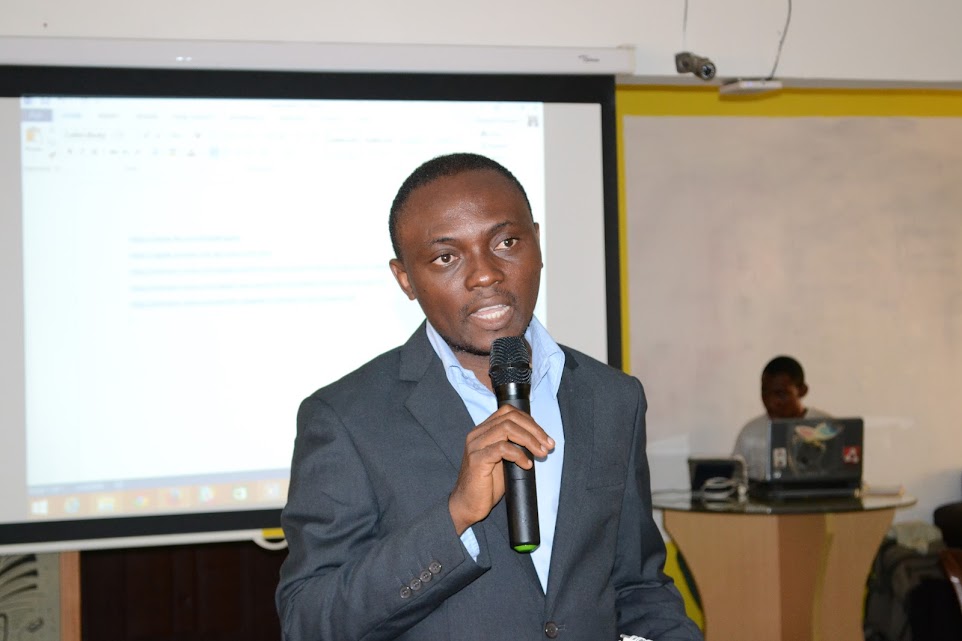
Meet Olufemi Omotayo – Founder, Entplus Digital
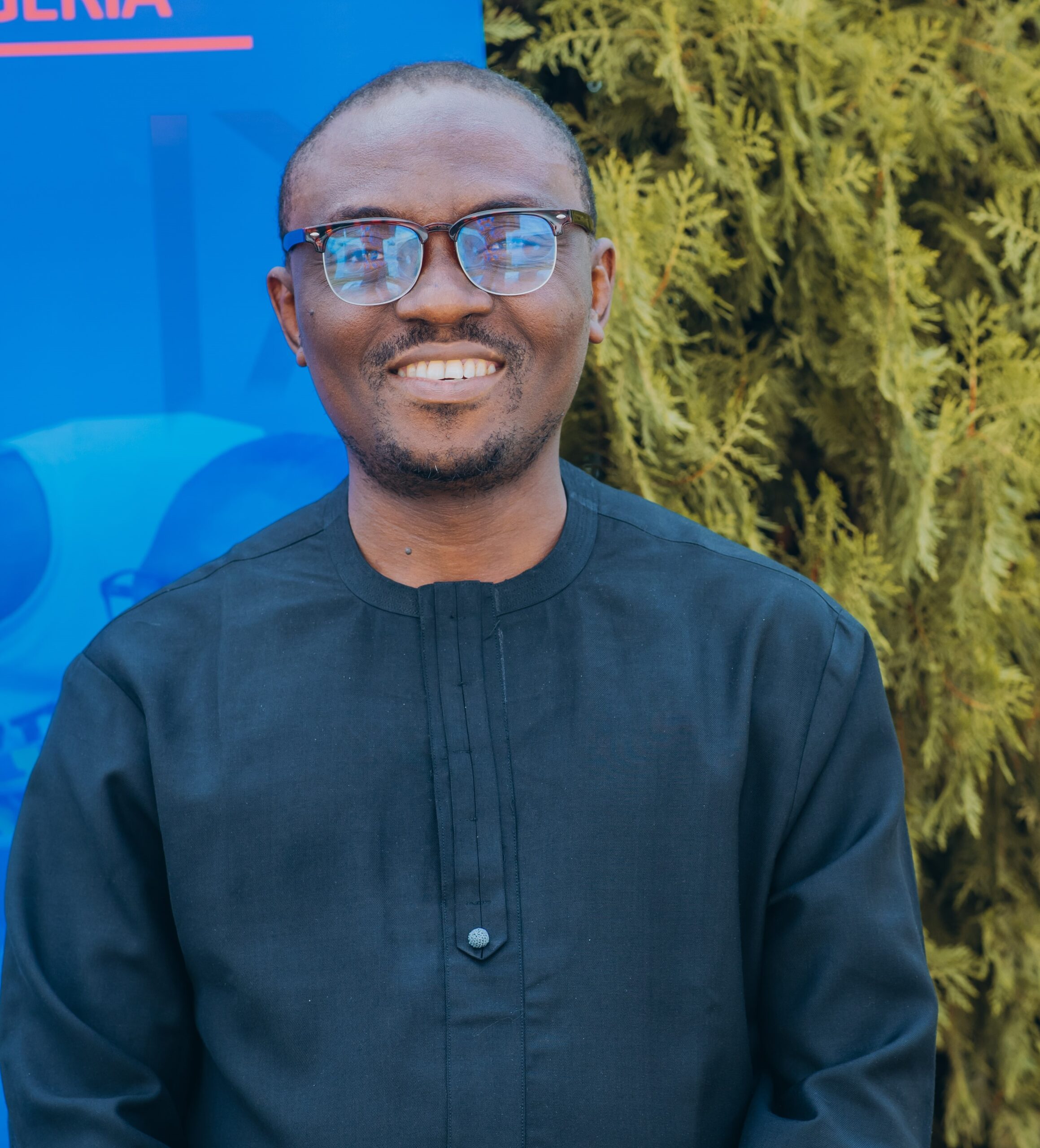
Some entrepreneurs build businesses. Others build legacies. Olufemi Omotayo is doing both.
In a country where many stories are lived but never documented, Olufemi Omotayo has chosen a different path—not just to build a business, but to preserve legacies.
His journey begins in Lagos, a city known for its relentless pace and unforgiving lessons. Growing up in an environment where survival often took precedence over ambition, Olufemi learned early that life would not hand him certainty. His father’s unstable employment with NITEL exposed him to the fragility of relying solely on a salary, while his mother’s tireless trading journey revealed a different truth—one of resilience, adaptability, and the quiet power of self-determination. Without formal lessons or structured mentorship, entrepreneurship was not taught to him; it was absorbed through observation, lived experience, and necessity.
Yet, even within that uncertainty, a vision began to take shape. While many around him were focused on navigating daily realities, Olufemi occasionally allowed himself to imagine something bigger—an expansive media empire, one that would inform, influence, and outlast him. At the time, it felt distant and undefined, but the seed had already been planted.
From his early days in publishing to launching EntrepreNEWS and eventually building Entplus Digital, Olufemi has carved a unique niche at the intersection of storytelling, digital strategy, and legacy preservation. His work goes beyond content creation—it captures lives, documents impact, and ensures that stories that matter are not lost to time.
With six published biographies, a growing team, and a physical creative hub in Surulere, his journey reflects persistence, reinvention, and a long-term vision rooted in meaning, not just money.
This is his story—raw, reflective, and deeply instructive.
SECTION A — THE FOUNDER’S ORIGIN STORY
Every giant once stood on wobbly legs.
What is your full name and what do you prefer to be called?
Olufemi Omotayo
Where did you grow up?
I grew up in Lagos, a city that doesn’t wait for you to find your footing before it tests you. It was a formative, sometimes harsh environment, but Lagos has a way of sharpening you. Growing up there taught me resourcefulness long before I ever heard the word “entrepreneur.”
What did your parents or guardians do for a living, and how did that shape your view of work and money?
My father had intermittent work with the old NITEL, but employment was never stable for him. My mother, on the other hand, was an unstoppable trader. She sold different things, moved between different locations, and never seemed to tire of finding the next opportunity. She didn’t teach me entrepreneurship with words; she modelled it with her life. I grew up understanding that waiting for a salary is a risky strategy, and that hustle is a form of dignity.
Before entrepreneurship, what did the younger version of you dream of becoming?
Our daily reality didn’t leave much room for big dreams. We were too busy navigating the present. But on the rare occasions when I let myself look ahead, I saw myself owning a conglomerate media business. Not a small one. A real empire of information. I didn’t know how I’d get there, but the picture was clear even then. In many ways, I’m still building towards it.
Describe the moment you realized you wanted to run your own business. Was it a gradual awakening or a lightning bolt moment?
It was both, actually. The gradual part was watching my former boss at Pharmanews — seeing how he commanded his time, his decisions, his direction. No one told him when to come in. But the lightning bolt came at a job fair in 2011. I stood in the middle of that massive crowd of applicants — educated, talented people — all competing for a handful of positions. Something in me refused to join that race. I thought: most of these people have what it takes to build something. Why are they here? A few months later, I resigned and launched EntrepreNEWS.
Who is the one person (alive or dead, known personally or not) that you would credit as an inspiration for your entrepreneurial journey?
Many people have shaped me over the years, so naming one feels incomplete. But if I had to, I’d say my late boss, Pharm (Sir) Ifeanyi Atueyi of Pharmanews. He built that publication from scratch in 1979 and kept it alive and relevant through every season of Nigeria’s turbulence — military rule, economic crises, industry upheaval — right up until his passing in 2025. Over 45 unbroken years. That kind of consistency is not just inspiring; it’s instructional.
SECTION B: THE BUSINESS BIRTH
“From idea to first sale.”
What is your official business name and registration number (if registered)?
Enterpriseplus Services Limited, registered with CAC — branded commercially as Entplus Digital.
In one sentence, what does your business do?
Entplus Digital helps individuals, organisations, and businesses tell their most important stories — through biography and memoir production, strategic digital content, and communications consulting that builds credibility and lasting impact.
What year did you start, and how old were you at the time?
The company was registered in 2018, but it became truly operational in 2024, the same year I turned 44. Some might call it a late start. I call it a well-marinated one.
What were you doing for money in the 12 months before you started this business?
Since leaving paid employment in 2012, I had been building as a freelancer — taking on research and policy work, digital marketing facilitation and mentoring, and biography projects. In many ways, those years weren’t a gap between jobs; they were the real incubation period of Entplus Digital.
How much did you start with (₦)?
My income was never fixed, so pinpointing a figure is difficult. But I can say honestly: it was under ₦100,000. What I lacked in capital, I tried to make up for in craft.
Where did the money come from?
From my consultancy engagements — client by client, project by project. There was no investor, no loan, no well-timed windfall. Just work.
How many times did you hear “no” before you got to “yes”?
I stopped counting early. Rejection is such a constant part of this journey that at some point you stop experiencing it as an event and start treating it as weather — something to prepare for, not be surprised by.
Where did you operate from on Day 1?
My rented apartment for many years. Laptop, phone, and a stubborn belief that something bigger was possible. That changed in January 2024 when we opened Entspace, our physical facility and workspace in Surulere.
Tell us about your very first customer. Who were they, how did they find you, and how did you feel when they paid you?
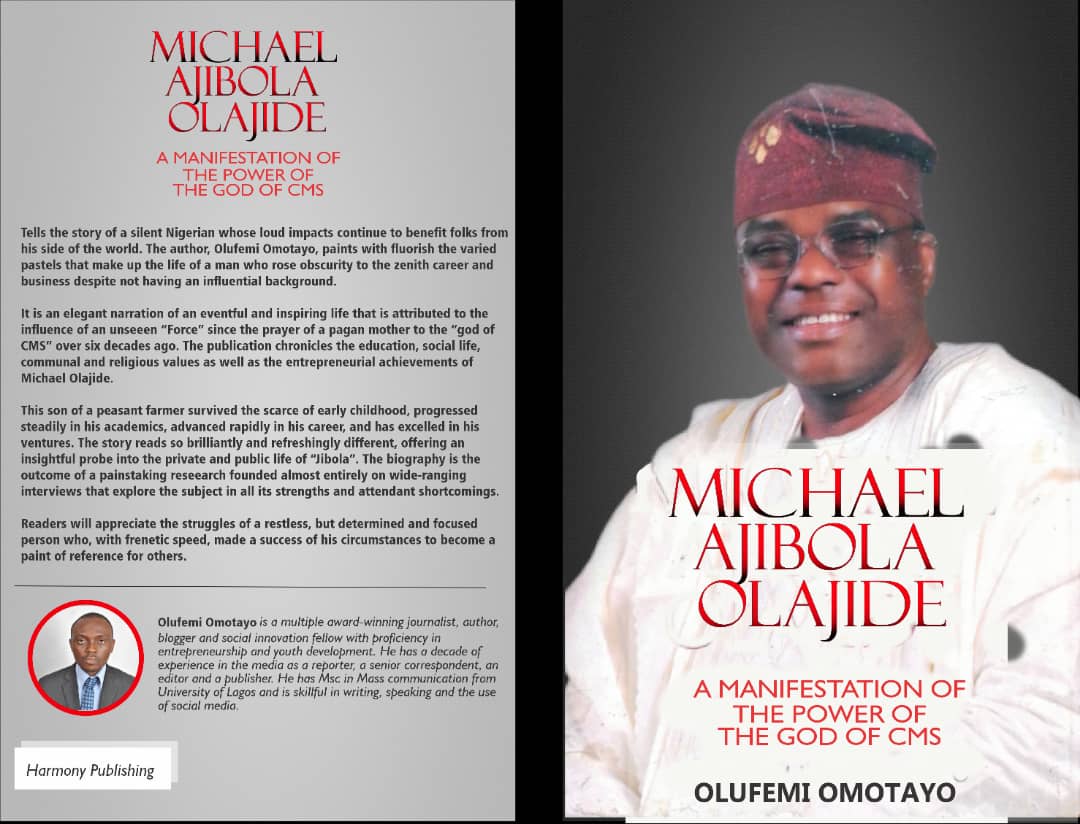
It’s hard to point to a single “first” because I came into this from multiple directions. But the engagement that felt most like a true business milestone was writing the biography of Mr. Michael Ajibola Olajide, co-founder of SIDMACH Technologies, launched in 2017. A friend and former colleague vouched for me to his boss. That project didn’t just pay well. it confirmed that this was what I was built to do.
What was your biggest mistake in the first year, and what did it teach you?
In 2013/2014, I took hard-earned money and printed copies of our entrepreneurship journal, then tried to push it through the newspaper circulation network. It didn’t work. I hauled most of them back home. It was a painful, expensive lesson — but it was also the moment I fully accepted that the future of media is digital. I’ve never looked back since.
If your business were a child, describe its difficult birth or toddler years.
It was a child born into uncertainty: bright in some moments, stumbling constantly. The early years were defined by three problems that often travel together: no clear direction, a shifting business model, and insufficient capital. Like many Nigerian entrepreneurial infants, it survived not because conditions were ideal, but because giving up wasn’t really an option.
SECTION C: THE STRUGGLE CHRONICLES
“What didn’t kill the business…”
Describe a moment when you almost quit. What pushed you to the edge, and what pulled you back?
A moment? Try several. But one stands out. After resigning my job and pouring money into printing EntrepreNEWS, we took the publication to a business conference — what should have been the perfect debut. People walked past it. A rival tabloid sold out while I packed mine back into a bag and went home. That was a low point. What pulled me back? Not a grand epiphany, just the stubborn refusal to let that be the end of the story. And honestly, some unexpected opportunities that showed up just in time to keep the lights on.
What was your lowest financial point?
I’ve had to ask landlords for extensions on rent more than once. I’ve gone without things most people consider basic. These aren’t comfortable memories, but they’re honest ones. The experience has made me far less dismissive of anyone who says they’re struggling. I know what that looks like from the inside.
Have you ever been betrayed in business: By a partner, employee, or customer: How did you handle it?
Yes. But here’s the thing: I’ve made a deliberate choice to forget those moments. Not because they didn’t matter, but because carrying them forward costs too much. I’ve decided to live forward. The energy it takes to nurse a grievance is energy I’d rather spend building something.
What sacrifices have you made personally for this business?
Time — enormous amounts of it, often at the expense of rest, relationships, and presence at home. There have been stretches of backbreaking, all-consuming work where the business was the only thing in focus. Building something from nothing while also positioning yourself as an authority in your field is not a nine-to-five proposition.
How has entrepreneurship affected your mental and emotional health: What do you do to stay grounded?
It tests you in ways that are hard to explain to people who haven’t lived it. The uncertainty, the isolation of decision-making, the gap between effort and reward. These things wear on you. What keeps me grounded is deliberately disrupting my own routine. I read the Bible, listen to inspirational music and preaching, and try to step back from the grind regularly enough to remember who I am outside of the work.
What criticism or doubt did you face from friends or family when you started, and do they still doubt you?
The honest answer is that I didn’t face heavy opposition — partly because no one was financing my life anyway, so my choices were mine to make. But the quiet scepticism was there. I’ve found that the best response to doubt is not argument; it’s evidence. I’m still gathering it.
Have you ever had to lay someone off: How did that feel, and how did you handle it?
I’ve been intentional about not hiring people I can’t pay. That principle has kept me from some of the worst versions of that conversation. I work with skilled professionals on a project basis and only maintain those relationships where standards are consistently met. It’s a model that protects both parties.
SECTION D: THE BREAKTHROUGH MOMENTS
“The tide turns.”
How has entrepreneurship affected your mental and emotional health: What do you do to stay grounded?
It tests you in ways that are hard to explain to people who haven’t lived it. The uncertainty, the isolation of decision-making, the gap between effort and reward. These things wear on you. What keeps me grounded is deliberately disrupting my own routine. I read the Bible, listen to inspirational music and preaching, and try to step back from the grind regularly enough to remember who I am outside of the work.
What criticism or doubt did you face from friends or family when you started, and do they still doubt you?
The honest answer is that I didn’t face heavy opposition — partly because no one was financing my life anyway, so my choices were mine to make. But the quiet scepticism was there. I’ve found that the best response to doubt is not argument; it’s evidence. I’m still gathering it.
Have you ever had to lay someone off: How did that feel, and how did you handle it?
I’ve been intentional about not hiring people I can’t pay. That principle has kept me from some of the worst versions of that conversation. I work with skilled professionals on a project basis and only maintain those relationships where standards are consistently met. It’s a model that protects both parties.
What was the single biggest opportunity that changed your business trajectory?
In 2016, after what felt like a prolonged wilderness period, a phone call changed things. A friend and former colleague, Adeola Ojo Ogunbodede, contacted me on behalf of his boss, having quietly observed my writing ability during our time together in publishing. He made the case for me before I even knew I was being considered. That biography project was the opportunity that opened the door to everything that followed in that space.
Describe your “first million” moment (first ₦1 million in revenue or profit). How long did it take, and how did you celebrate?
That same biography project was my first multi-million naira revenue. I settled debts that had been piling up, cleared obligations I’d been managing carefully for months, and bought my first car. It wasn’t just a financial win, it was validation that the years of grinding had not been wasted.
Who believed in you when it mattered most, and what did they do?
Adeola Ojo Ogunbodede. That 2016 call was not just a job referral, it was someone staking their own credibility to open a door for me. That kind of belief, when it comes from someone who knows your work and chooses to champion you anyway, is rare and powerful.
What is the one decision you made that turned out to be brilliantly right, even if it seemed risky at the time?
Committing to the transformation of an abandoned hall into what is now Entspace. The renovation is about 75% complete, but even in this state, it has already repositioned Entplus Digital more significantly than I anticipated. Having a physical facility changed how people perceive the business, and how I perceive it.
Tell us about a mentor, advisor, or supporter who made a difference. What specific advice changed your approach?
I’ve been privileged to learn from several: Pharm (Sir) Ifeanyi Atueyi, Dapo Odojukan, Dipo Davies, Dr. Sunny Ojeagbase, and Pastor Bashiru Adesina, among others. Each brought a different perspective — from rethinking my business model to understanding the texture of the local market. Their collective input has been more valuable than any course I could have paid for.
When did you first realize, “I might actually pull this off”?
Truthfully? I haven’t arrived at that moment yet, and I think that’s healthy. I’m on a journey, and every day brings a new challenge. What I have is conviction — a deep, unshakeable belief that I will succeed. If I didn’t believe that, I would have stopped trying years ago. But complacency is not something I can afford, so I hold the belief and keep moving.
SECTION E: THE BUSINESS TODAY
“Where things stand.”
Current team size: How many full-time and part-time employees do you have:
3 full-time, 5 part-time — a lean, capable team, augmented by skilled professionals engaged on a project basis.
Current locations: Where do you operate now compared to where you started:
We now operate from our own facility, Entspace, in Surulere, Lagos. It’s a meaningful upgrade from the home office years, and it represents something more than square footage: it’s a statement of intent.
Annual revenue range?
₦5M – ₦25M
What is your most popular product or service, and why do customers love it?
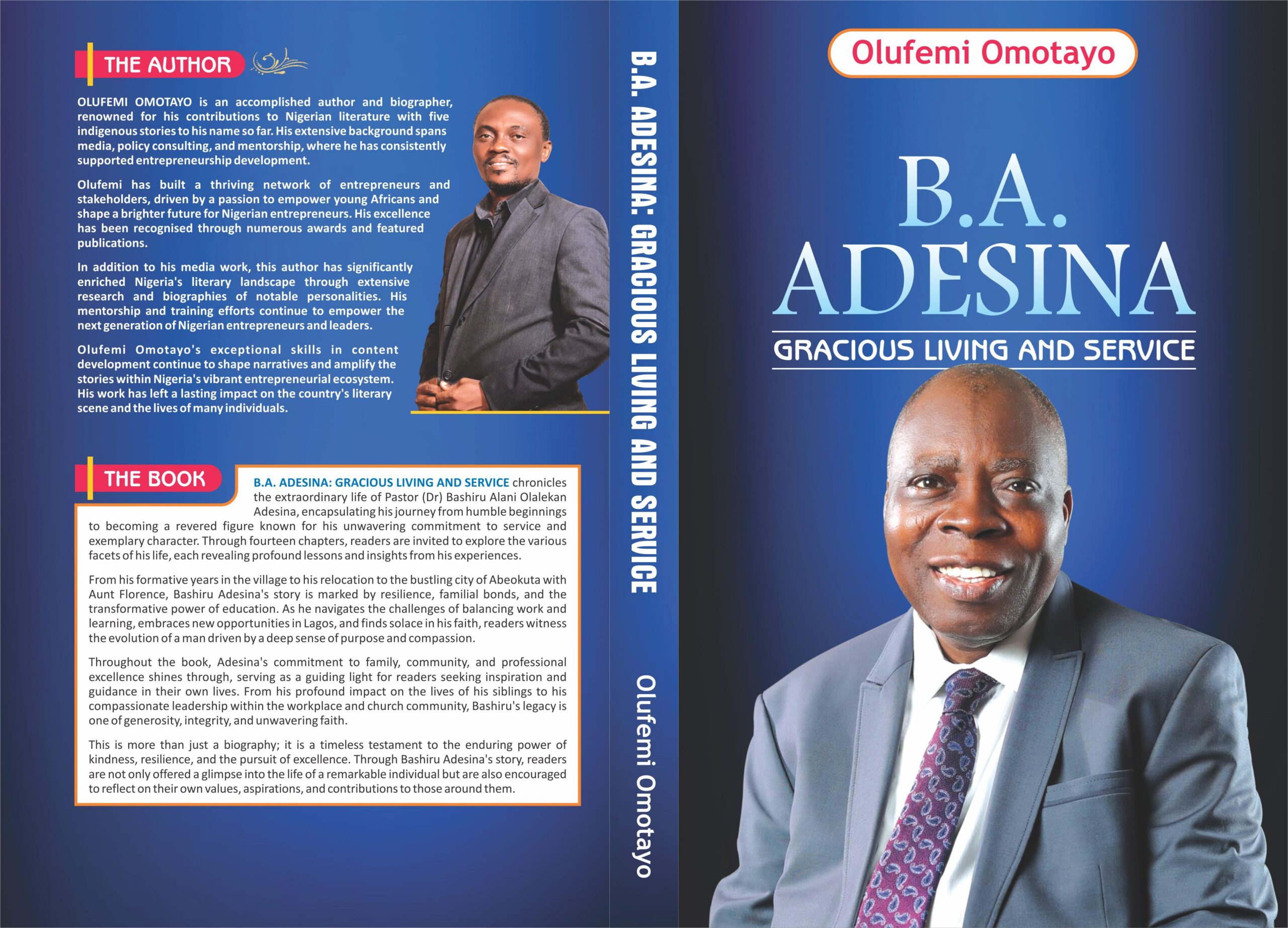
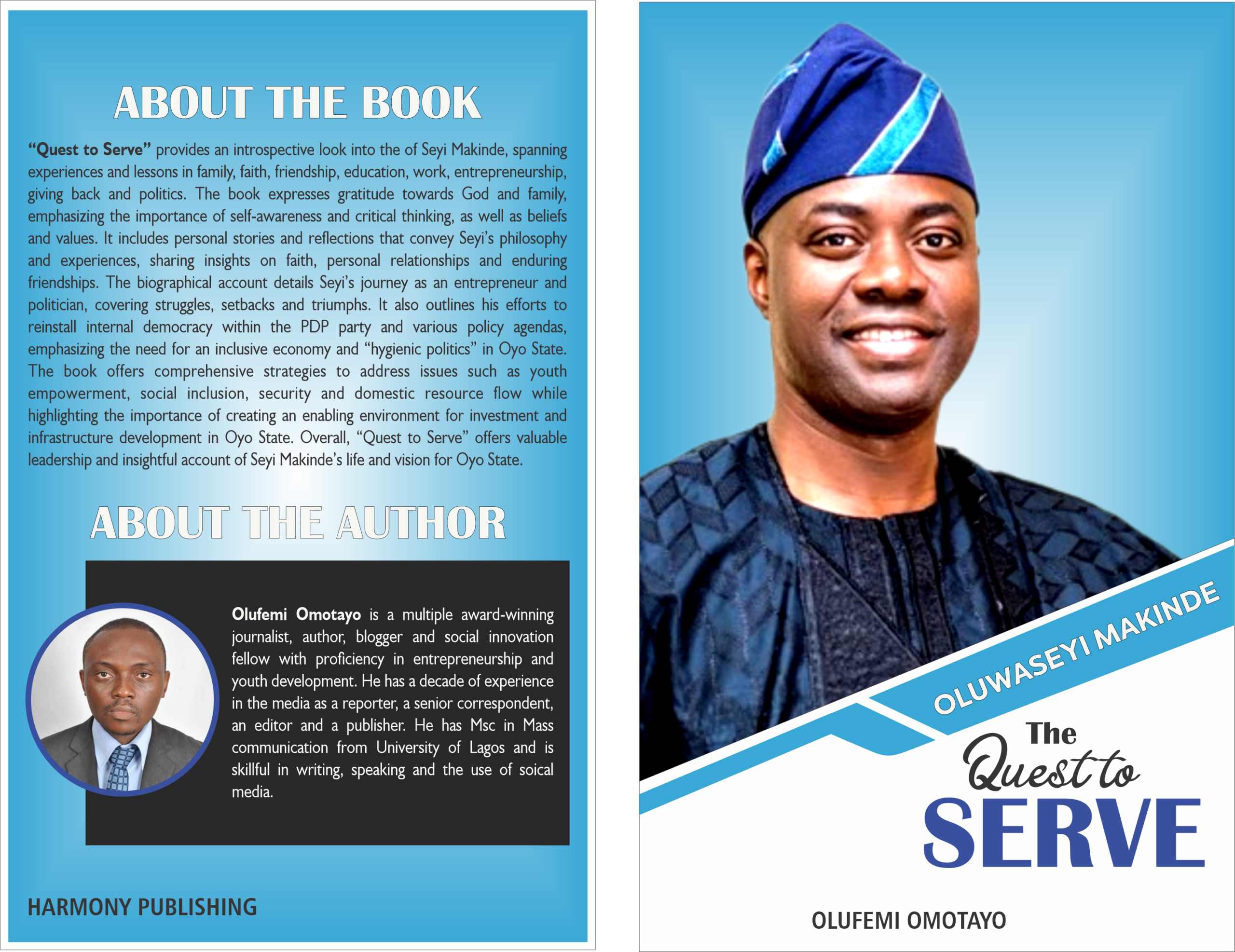
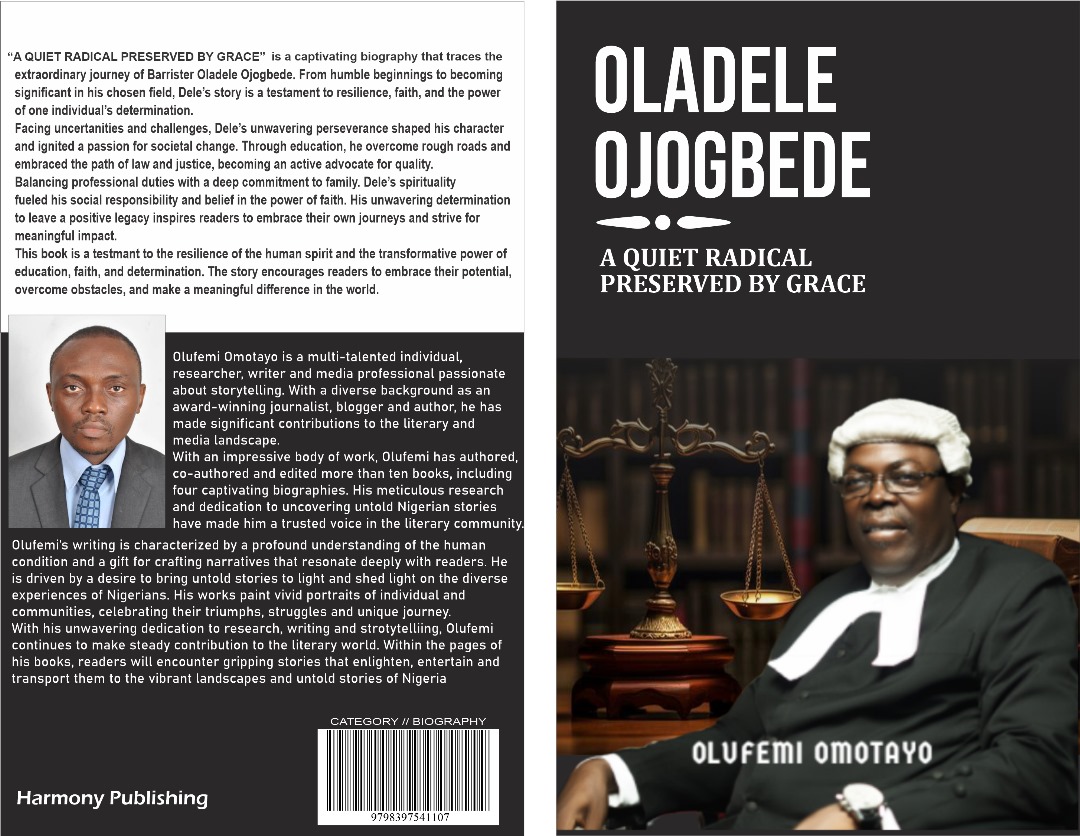
Biography and memoir production. People come to us because they want their story — or the story of someone they admire — preserved with care, craft, and permanence. We’ve done it for a sitting governor, tech founders, a pharmacist-publisher, and a Christian leader, among others. Six published works, with a seventh in progress.
Who is your ideal customer, and how do you reach them?
My ideal customers are accomplished professionals, executives, and public figures who have a story worth telling and the wisdom to know they shouldn’t tell it alone. On the digital side, I work with SMEs and growing organisations that need consistent, strategic content to build authority. I reach most of them through referrals and LinkedIn — trust, in this business, travels by word of mouth.
What sets you apart from competitors?
Very few practitioners in Nigeria combine a journalism background, six published biographies, and hands-on digital marketing experience in one practice. I bring a journalist’s ear for truth, a biographer’s patience for depth, and a strategist’s eye for impact. I don’t just produce content, I build legacies and reputations.
What is the biggest operational challenge you face right now?
Finding and keeping the right people. The work we do requires a rare mix of writing ability, research discipline, and strategic thinking. Assembling and sustaining a team that consistently meets that standard is the hardest ongoing problem in the business.
How has your role as founder changed from when you started to now?
In the early days, I kept a certain professional distance from the business. It was something I did, not something I was. That has completely changed. Entplus Digital is now inseparable from who I am. The business carries my name, my values, my voice. That intimacy has made me more invested, and more accountable.
SECTION F: LESSONS FROM THE TRENCHES
“If I knew then what I know now.”
What do you know now about running a business in Nigeria that you wish you knew on Day 1?
Business is fundamentally about sales. Everything else — the craft, the strategy, the branding — is in service of sales. If you’re not willing to sell, you’re not ready to run a business. I wish someone had said that to me plainly at the start.
What is the biggest myth about entrepreneurship that you want to debunk?
That it’s fun. Entrepreneurship is hard, often lonely, and genuinely not suited to everyone. The romanticized version we see online bears little resemblance to the daily reality. It can be deeply fulfilling, but only if you’re built for it and honest about what you’re signing up for.
What specific skill has proven most valuable to your success?
Negotiation and customer relations. You can have the best product in the room and still lose the deal if you can’t communicate value or hold a relationship together through difficulty.
What system, tool, or habit has made the biggest difference to your productivity?
AI tools, particularly large language models. They have fundamentally expanded what I can produce, how quickly, and at what level of quality. For someone running a lean operation in a content-heavy field, AI is not optional; it’s infrastructure.
How do you handle the “government factor” (taxes, regulations, permits) in Nigeria?
I’ve accepted that there’s no clean way around government in this country — taxation, regulation, compliance. The best strategy is alignment: understand what’s required, stay on the right side of it, and build that into your operating model rather than treating it as a surprise.
What advice would you give to someone who wants to start the same kind of business as yours?
Know your craft deeply. Don’t fake expertise in a knowledge business. And give yourself time. The returns in biography and strategic content are not immediate; they compound. Staying power is the most underrated competitive advantage in this space.
What question do you wish aspiring entrepreneurs would ask you, and what’s your answer?
“How long should I give it before expecting results?” And the honest answer is: longer than you think. Success in this business is not a moment — it’s a direction. Stay pointed the right way, and give it real time.
SECTION G: IMPACT & LEGACY
“Beyond the balance sheet.”
Beyond making money, what problem does your business solve for your community or Nigeria?
Nigeria is losing its stories. Accomplished people pass on without their journeys documented. Businesses fail not because their products are weak but because no one knows them. Entplus Digital addresses both: we preserve legacies through biography and memoir, and we help businesses build a credible digital presence. Through Entspace and the Digital Skills Accelerator, we’re also creating pathways for young Nigerians to compete meaningfully in the digital economy — right from Surulere.
How many Nigerian families depend on your business for their livelihood?
Approximately 20, when you include indirect dependents — freelancers, project-based collaborators, and the ripple effects of the work we facilitate.
Do you manufacture or produce anything in Nigeria?
Yes — books. Printed in Somolu, Lagos. Six published biographies to date, with the seventh in production.
Have you been able to mentor or support other entrepreneurs?
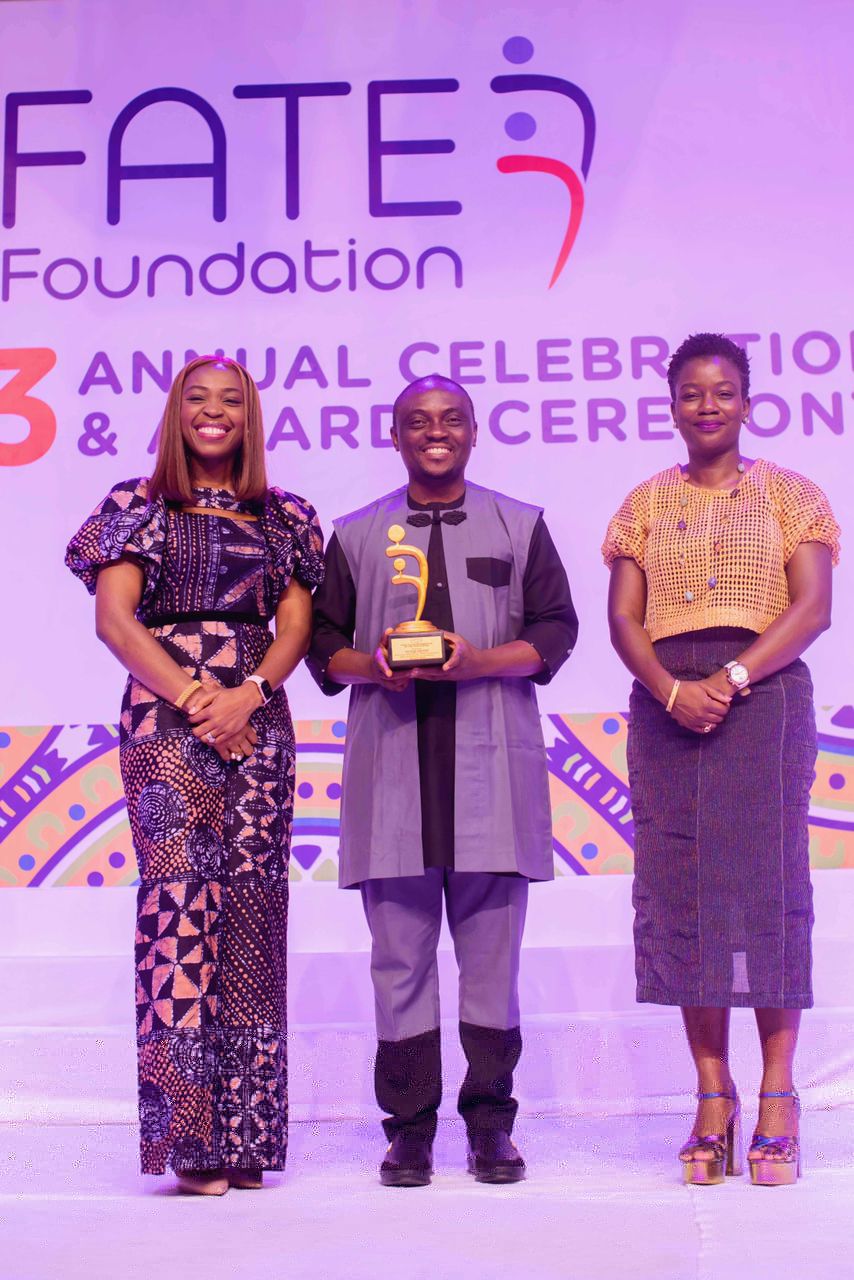
Regularly. I mentor through FATE Foundation, Google Hustle Academy, LEAP Africa, and the Tony Elumelu Foundation. There is no part of this work I find more satisfying than watching someone find clarity about their direction.
If your business disappeared tomorrow, who would miss it most and why?
The emerging entrepreneurs I’ve mentored who found their footing through guidance they couldn’t have afforded elsewhere. The families whose stories we’ve documented — a biography isn’t just a book, it’s a family’s most important record. And the Surulere community of creatives and small business owners who use Entspace as a working and learning environment — a rare, affordable, professional space in their own backyard.
What does “Made In Nigeria” mean to you personally?
It means carrying the Naija spirit — the resilience, the creativity, the refusal to accept limitation — into everything you produce. It means creating something that could only have come from here, and being proud of that.
What kind of legacy do you want to leave through this business?
Two things: the number of people empowered through Entplus Digital’s training and mentoring programmes, and the extraordinary stories of Nigerians that we’ve preserved for posterity. If future generations can look back at our biographical archive and understand what it meant to build something in Nigeria in this era. That will have been a life well spent.
SECTION H: THE FUTURE
“What’s next:”
Where do you see your business in 5 years?
Entplus Digital will be West Africa’s foremost biography and digital content studio — with a thriving publishing imprint, a fully operational Entspace community hub serving hundreds of entrepreneurs monthly, and a Digital Skills Accelerator that has trained thousands across Nigeria. The goal is to make Entplus synonymous with exceptional storytelling and measurable business impact.
What is the biggest goal you haven’t achieved yet?
Building a self-sustaining team — one that delivers at scale without my direct involvement in every engagement. That transition from practitioner to principal is the defining challenge of this next chapter.
If you had access to unlimited capital tomorrow, what’s the first thing you would do?
Complete Entspace to its full vision — a world-class creative and entrepreneurship hub in Surulere, accessible at prices that don’t exclude the very people it’s meant to serve. Then scale the Digital Skills Accelerator and finally hire the editorial and marketing team that Entplus Digital has long deserved.
What markets outside Nigeria are you eyeing for expansion?
The diaspora is the most natural first move — Nigerians abroad who want their stories told, their parents’ legacies preserved, or their businesses represented back home with credibility. Ghana and East Africa are also on the radar for biography production and digital content consulting.
What new product or service are you excited about developing?
An AI-assisted biography research and drafting service that reduces the timeline and cost of memoir production without sacrificing depth or craft. I’m also building an online version of the Digital Skills Accelerator for reach beyond Lagos.
What kind of support do you need most right now to reach the next level?
Strategic partnerships — with organisations and institutions that need embedded content and communications expertise at a level they can trust. And a stronger business development system, so that the pipeline of clients finally reflects the quality of work we consistently deliver.
SECTION I: PERSONAL & REFLECTIVE
“The human behind the brand.”
What do you do when you’re not working?
I surf the internet — which, in my line of work, is only half a rest. But I also read, reflect, and find moments of quiet that help me return to the work refreshed.
What book, podcast, or movie has influenced your business thinking most?
The Bible, first and always. It has shaped my understanding of purpose, resilience, and the long arc of a life. Beyond that, I’ve drawn deeply from inspirational and motivational writing — books that remind you that the struggle is part of the story, not an interruption to it.
What’s your favorite Nigerian food, and where do you get the best version of it?
Swallow with a well-made soup. The specific variety is secondary, the soup has to be right.
Complete this sentence: “Most people don’t know that I…”
Most people don’t know that I have written six published biographies — subjects include a sitting state governor, a tech co-founder, and prominent Christian leaders — and I’m currently working on a seventh. People meet the digital consultant and miss the author. People meet the author and miss the entrepreneur. I am, stubbornly, both.
If you weren’t running this business, what would you be doing?
Sitting in an office somewhere, doing work that bores me, waiting for a clock to tick. I know that life exists — I lived it briefly — and it is not for me.
What’s the best piece of advice you’ve ever received?
Several come to mind, but one landed recently during a session with a mentor. He said it is better to have a little of something than nothing of everything. He was encouraging me to accept certain engagements even when the pay didn’t match my ambitions. It was humbling, practical, and right.
What song gets you through a tough day?
Many, but Asa never gets old. There’s something in her music that reaches a place words alone can’t.
If you could have dinner with any Nigerian, alive or dead, who would it be and why?
Pastor W.F. Kumuyi. I want to understand how a man sustains six decades of consistent, scandal-free ministry and public life in Nigeria. That level of integrity, sustained over that arc of time, in this environment. I want to sit across from it and learn.
Conclusion: A Legacy Still Being Written
Olufemi Omotayo’s journey is not one of overnight success or viral breakthroughs—it is a story of endurance, clarity, and quiet conviction.
From carrying unsold print publications home in disappointment to building a business that documents the lives of governors, founders, and leaders, his path reflects a deeper truth about entrepreneurship in Nigeria: success is often slow, nonlinear, and forged in obscurity.
What sets Olufemi apart is not just his ability to tell stories—but his commitment to ensuring that important stories are never lost. Through Entplus Digital, he is preserving history, empowering voices, and building a platform that outlives transactions.
In a country where many stories go untold, his work is both timely and timeless.
And as he continues building towards a future where Entplus becomes West Africa’s leading storytelling and digital content studio, one thing is clear:
He is not just building a business.
He is building a legacy.
