

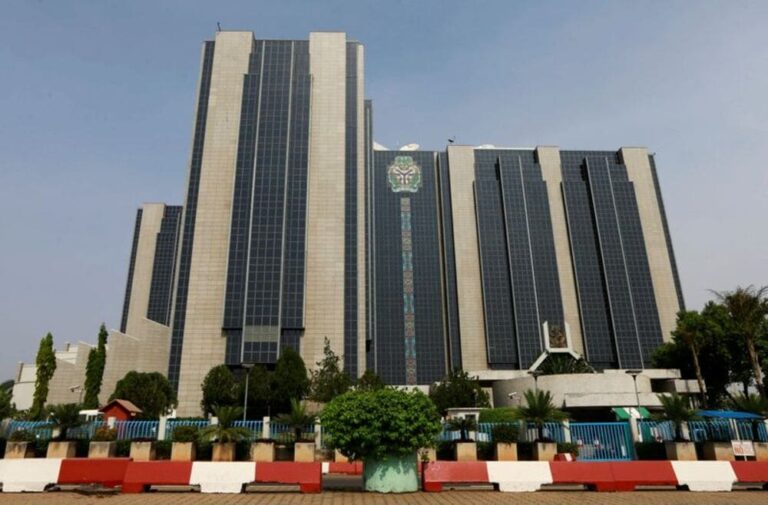
The Central Bank of Nigeria (CBN) has released its March 2026 Business Expectations Survey, revealing a striking contrast between systemic operational hurdles and a persistent entrepreneurial optimism. While Nigerian firms are grappling with severe infrastructure and security deficits, their overall outlook on the macroeconomic environment remains remarkably resilient.
The Top Five Constraints The survey, which sampled 1,900 firms across the industrial, service, and agricultural sectors, identified five critical “pain points” affecting stability and profitability. The figures represent the percentage of respondents who cited each factor:
-
Insufficient Power Supply (74.5%): Remains the primary bottleneck for industrial scaling.
-
Insecurity (70.9%): A major driver of logistics costs and supply chain disruptions.
-
High/Multiple Taxes (69.2%): Highlighting the ongoing friction between fiscal policy and business growth.
-
High Interest Rates (66.6%): Reflecting the impact of the CBN’s hawkish monetary stance on borrowing.
-
Financial Problems (64.3%): General liquidity and access-to-capital challenges.
A Regional Divide in Sentiment The report uncovered a significant disparity in how different parts of the country perceive the current economic climate:
-
The Optimists: The North-East recorded the strongest confidence index at 39.4 points, likely tied to improved agricultural prospects and regional stabilization efforts.
-
The Skeptics: The South-East trailed significantly with a negative sentiment of –5.5 points, signaling localized economic pressures or security-related anxieties.
-
The Recovery Path: Despite current gaps, the CBN projects that all regions will pivot toward a positive outlook within the next six months.
Macroeconomic Optimism and Future Projections Despite the high cost of doing business, the Overall Confidence Index stood at 15.6 points in March. While this is a slight moderation from February, the medium-term outlook is bullish:
-
Six-Month Forecast: Confidence is projected to soar to 43.9 points by September 2026.
-
Sectoral Lead: Agriculture emerged as the most optimistic sector for the current month, benefiting from seasonal cycles and renewed focus on food security.
-
Operational Expectations: Firms anticipate a surge in the volume of orders and an improvement in their overall financial condition and credit access.
The Bottom Line The March 2026 survey paints a picture of a “survivalist optimism.” Nigerian businesses are not ignoring the structural failures in power and security; rather, they are betting on their ability to navigate them. For policymakers, the message is clear: the underlying desire for growth is high, but the “overhead cost of being Nigerian”—specifically taxes and electricity—remains the biggest threat to converting that optimism into actual expansion.
