

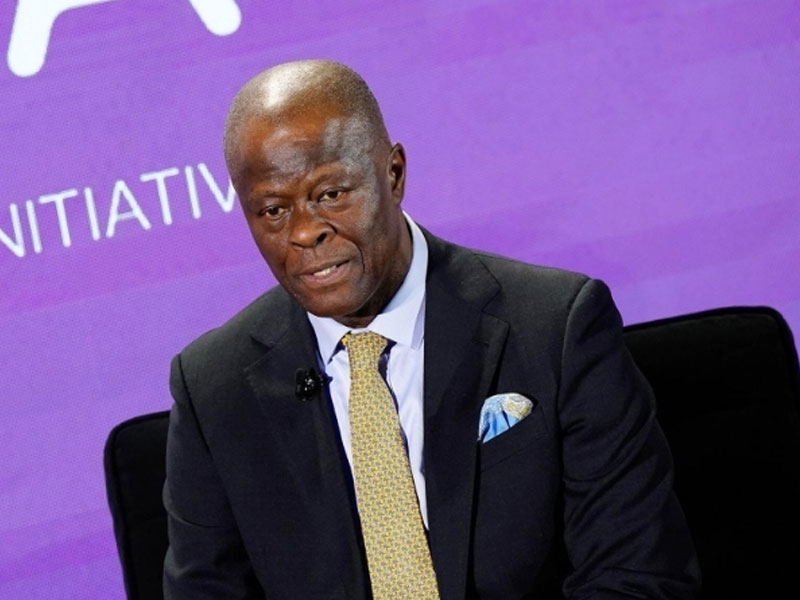
The Stanbic IBTC Nigeria Business Summit 2026 transformed Lagos into a high-octane war room last week, bringing together the nation’s “purse strings” and its most ambitious entrepreneurs. Under the theme “Nigeria Means Business: Powering Sectors, Growing Sustainable SMEs & Unlocking Global Trade,” the event served as a critical pulse check for an economy shifting from “survival mode” to “growth acceleration.”
The Treasury’s “State of the Union” Delivering a virtual keynote, Wale Edun, Minister of Finance and Coordinating Minister of the Economy, declared that Nigeria has finally exited the period of “difficult adjustments.” Key indicators cited include:
-
GDP Momentum: An uptick to approximately 4% GDP growth, which Edun framed as a proof of concept for 2023’s reforms.
-
The “Magic Trick” of Volume: Edun championed the National Single Window initiative. By digitizing approvals and permits, the government aims to generate revenue not through higher taxes, but through the sheer volume of faster-moving goods.
-
Buffer Building: Strengthened external reserves and a loosening grip of “stagflation” were presented as evidence of a stabilizing macro-environment.
The Gritty Mechanics of Trade While the Minister provided the vision, industry titans focused on the “rails and roads.” Otunba Bimbo Ashiru, Chairman of Odu’a Investment Company, warned that digitization at the ports is useless if physical infrastructure fails. “You cannot scale an SME if your raw materials rot at a border crossing for three weeks,” he argued, calling for urgent trans-African rail connectivity.
Financing: Killing the “Obsolete” Collateral Model The most heated debate revolved around SME funding. Ifeoma Abdul of Stanbic IBTC Bank challenged the traditional banking narrative. Her “masterclass” on modern lending included:
-
Asset-Based Lending: Arguing that a tech startup’s contracts or an agribusiness’s pre-sale agreements should be treated as collateral, replacing the “obsolete” land-and-building model.
-
De-risking: Calling on Development Finance Institutions (DFIs) to provide better guarantees to commercial banks.
-
PAPSS Adoption: Promoting the Pan-African Payment and Settlement System to allow businesses to trade in local currencies, bypassing the volatile US dollar.
Sector Spotlight: From “Raw” to “Refined” In the Agribusiness sessions, the directive was clear: Nigeria must stop being a “raw material exporter.” With agriculture contributing 25% of GDP, the real wealth lies in value-chain integration—transforming cassava into pharmaceutical-grade starch and cocoa into finished chocolate.
The Bottom Line The 2026 Summit sent a clear signal that the goal is no longer just “stability,” but a $1 trillion economy. As the “ghost” of the AfCFTA begins to take physical form through initiatives like PAPSS and the National Single Window, the consensus in the room was that the dialogue is over—the “real work” of moving goods and capital has begun.
