

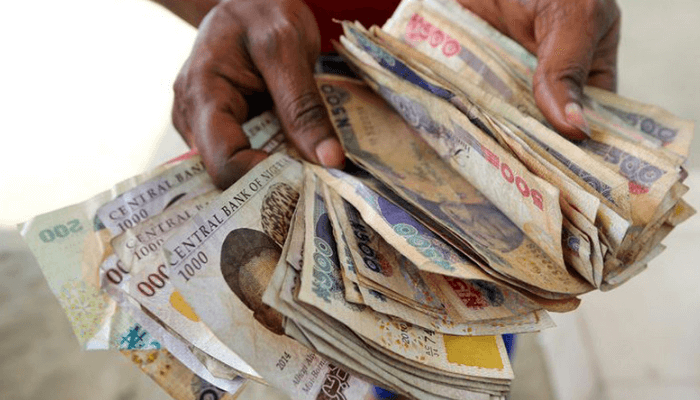
In healthy economies, the “infrastructure of consequence” ensures that when money is borrowed, it is returned. When this system breaks down, the entire economy pays a hidden tax known as the Enforcement Premium.
1. The High Cost of Distrust
When lenders don’t trust the courts to recover their money, they don’t stop lending—they just make it incredibly expensive. In many African markets, including Nigeria, banks “front-load” risk. This results in:
-
Crushing Interest Rates: High premiums to cover potential losses.
-
Collateral Overkill: SMEs are often asked for 150% to 180% of the loan value in assets—a barrier that kills most small businesses before they start.
-
Credit Rationing: Banks retreat to a “safe” circle of large corporations, leaving the productive real sector starving for funds.
2. A Continental Comparison: The NPL Factor
Non-Performing Loans (NPLs) are the pulse of a credit market. Research shows a direct link between governance and defaults:
-
Nigeria: Historically cyclical NPLs, heavily tied to oil prices and inconsistent legal execution. Recovery is often slow, hampered by court congestion.
-
Kenya: Moderate NPLs with a high-tech tilt, though traditional banks remain as cautious as their Nigerian counterparts regarding collateral.
-
South Africa: Boasts the most stable credit environment on the continent. Why? Stronger legal institutions and specialized dispute resolution mean lenders spend less time in court and more time lending.
3. The “Doing Business” Evidence
Empirical data is clear: faster contract enforcement leads to higher trade volumes. In developed markets, Credit Insurance acts as a safety net, allowing lenders to breathe easy. When a borrower knows there are real, swift consequences for a default, margins compress, and interest rates drop.
4. The Blueprint for a Disciplined Market
To bridge the SME finance gap and lower interest rates, Nigeria must adopt the habits of “Disciplined Markets”:
-
Automatic Escalation: Moving from “open-ended delays” to predefined restructuring workflows the moment a covenant is breached.
-
Consequence Management: Serial defaults should impact more than just bank status; they should affect eligibility for public contracts and high-ticket leasing.
-
Transparent Registries: Credit bureaus must provide deep risk models, not just arbitrary blacklists.
-
Accountability at the Top: Bank boards must face consequences for poor risk cultures that lead to systemic portfolio damage.
The Bottom Line Liquidity alone won’t fix Nigeria’s credit crunch. Until the legal system makes debt recovery predictable and swift, the “Enforcement Premium” will continue to price the average Nigerian entrepreneur out of the market. Building a culture of repayment is the only way to build a culture of growth.
