

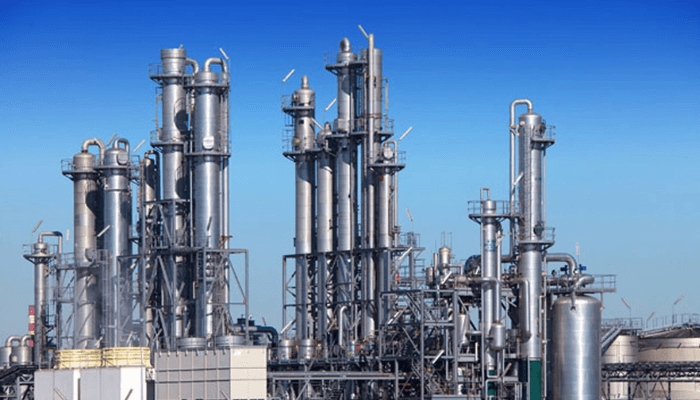
The Nigerian energy landscape is currently caught in a complex tug-of-war between domestic self-sufficiency and immediate supply security. Despite recent efforts to prioritize local production, the Nigerian Midstream and Downstream Petroleum Regulatory Authority (NMDPRA) has reportedly issued six new licenses for the importation of Premium Motor Spirit (PMS). This move marks a significant pivot from the import restrictions established just weeks prior.
The Supply Gap and Geopolitical Pressure
The regulatory shift appears to be a reactive measure to the intensifying conflict in the Middle East. While the NMDPRA had previously halted import licenses in February due to strong domestic performance, the global instability caused by the US-Israel-Iran conflict has disrupted traditional supply chains. To prevent a domestic energy crisis, authorities have opted to bridge the emerging gap with approximately 180,000 metric tons of imported gasoline.
Challenges at the Dangote Refinery
At the heart of this transition is the Dangote Refinery, which has faced operational hurdles despite its massive capacity. CEO David Bird recently highlighted inefficiencies in the “naira-for-crude” agreement, noting a significant shortfall in raw material delivery.
-
The Agreement: Anticipated supply was set at 13 to 15 cargoes per month.
-
The Reality: The refinery is currently receiving only five cargoes monthly.
-
The Impact: This underperformance limits the facility’s ability to fully satisfy the national demand, which it briefly covered at a rate of 92% during February.
A Growing Rift: Local Protection vs. Open Markets
The decision to resume imports has created friction between the government and local industry players. Internal sources at the Dangote Refinery have expressed frustration, suggesting that if the government continues to favor imports over domestic production, the refinery may pivot its strategy toward exporting its entire inventory to international buyers.
The sentiment within the refinery is one of “industrial defense.” High-ranking officials have questioned why Nigeria is opening its doors to foreign fuel at a time when other global powers are tightening trade barriers to protect their own local industries.
The Global Outlook
The stakes extend beyond Nigeria’s borders. As Middle Eastern shipments stall, the Atlantic Basin—specifically West Africa and the U.S. Gulf Coast—has become a focal point for global fuel security. European and African nations are increasingly looking toward the Dangote Refinery to fill the void left by Suez Canal disruptions.
As Nigeria navigates this “energy tightrope,” the core challenge remains: how to foster a robust local refining sector while ensuring the pumps don’t run dry during a period of unprecedented global unrest.
