

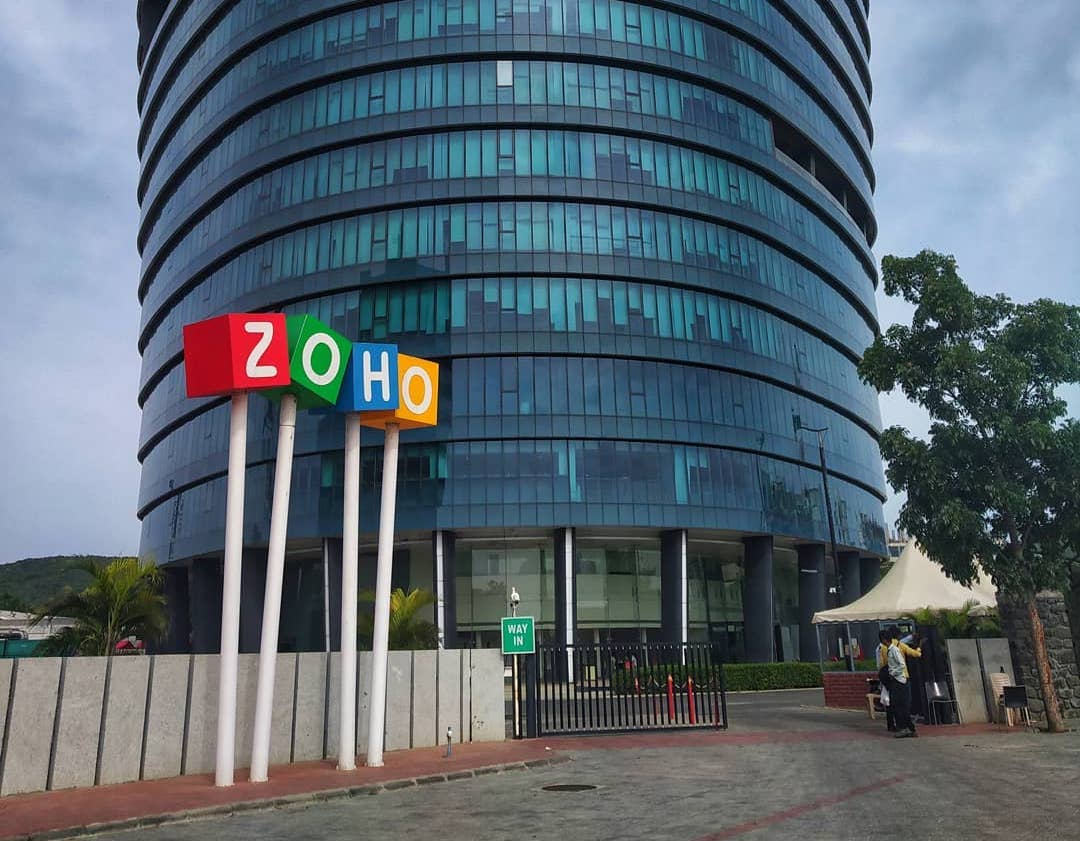
At the Zoho Women in Business Summit – Nigeria, industry experts delivered a clear ultimatum to the country’s massive female-led SME sector: automate or stagnate. With Nigeria boasting one of the highest rates of female entrepreneurship globally, the focus has shifted from mere survival to using integrated technology to scale in a high-inflation economy.
The “Spreadsheet Trap” Kehinde Ogundare, Country Head of Zoho Nigeria, warned that a reliance on fragmented tools and manual systems—like traditional spreadsheets—is the leading cause of operational “leakage.” In an environment where costs are rising, Ogundare argued that businesses must scale faster just to break even, a feat he claims is impossible with disconnected tools that breed human error.
Four Pillars of Digital Scaling: To move from “modest daily profits” to sustainable growth, Zoho highlighted four critical areas for digital adoption:
-
Integrated Marketing & Sales: Using automated email marketing and CRM tools to drive repeat business rather than relying on random customer walk-ins.
-
Smart Operations: Moving finance and logistics onto a single platform to provide real-time data and “data-driven insights” for smarter decision-making.
-
People Management: Utilizing digital systems to manage diverse teams, ensuring that as a business grows, the “human element” remains organized.
-
AI Adoption: Encouraging women to embrace emerging technologies, including Artificial Intelligence, to stay competitive in a rapidly evolving global market.
A Powerhouse Under Pressure The stakes are incredibly high. According to Praise Olusegun, Sales Manager for Zoho MEA, women own more than half of Nigeria’s 40 million SMEs. However, despite their numbers, many remain stuck in local markets due to a lack of legal structure and global-standard technology.
The summit’s core message was that technology should democratize access to the global economy. By adopting “connected systems,” Nigerian women can move beyond the borders of their immediate communities and tap into the international markets that Zoho’s integrated applications serve across 80 countries.
