

In the hyper-competitive corridors of Lagos and Abuja, the diesel generator—once the reliable heartbeat of Nigerian commerce—has become an “existential liability.” As of March 2026, the data is grim: while over 83% of MSMEs are tethered to the national grid, fewer than 18% receive the steady current required to stay operational. The result is a forced reliance on fuel that has spiked from ₦774 to over ₦1,100 per liter in a mere 21-day window.
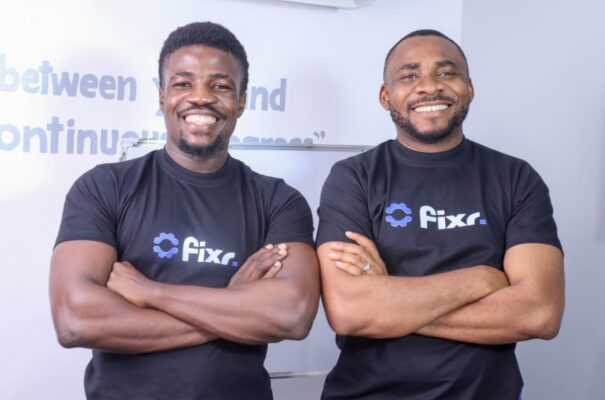
Recognizing that small businesses cannot pass these “energy taxes” onto an already price-sensitive consumer base, Fixr Technologies has launched a strategic solar financing offensive.
1. Breaking the “Upfront Capital” Barrier
The primary hurdle for solar adoption has never been sunlight; it has been the massive initial check. Fixr’s 2026 model dismantles this through a Lease-to-Own architecture:
-
The 20/80 Formula: Eligible businesses provide a 20% down payment, while Fixr’s network of financing partners covers the remaining 80%.
-
Flexible Amortization: The balance is spread over a 6 to 12-month repayment cycle, allowing the energy savings themselves to effectively fund the system.
-
Rapid Deployment: To prevent “operational bleed,” Fixr guarantees installation within 24 hours of the initial deposit.
2. The Infrastructure of Reliability
Beyond the financing, Fixr is addressing the “Trust Deficit” in the Nigerian solar market through an integrated service ecosystem:
-
The Warranty Shield: Panels are backed by a 25-year performance guarantee, with batteries covered for 5 years.
-
Technical Retainers: Through the Usefixr marketplace, businesses gain access to a vetted network of “Fixr-certified” technicians for quarterly maintenance, ensuring the investment doesn’t degrade due to poor handling.
3. Energy as a Strategy, Not an Expense
For the modern Nigerian CEO, switching to solar isn’t about “going green”—it’s about Predictability.
“Solar energy offers a level of forecasting that neither the grid nor the diesel market can provide,” Fixr notes. By locking in energy costs for the next decade, SMEs are moving from “internalizing the burden” of fuel volatility to “exporting the advantage” of stable overheads.
