

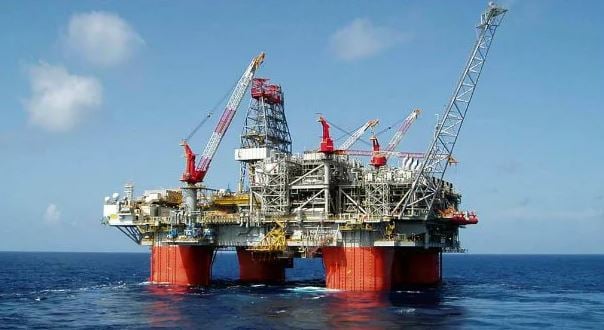
For nearly thirty years, one of the richest oil deposits off the coast of Africa sat silent—not because it was empty, but because it was haunted by one of the most complex legal battles in the history of energy. Now, Nigeria is finally turning the key to unlock it.
In a strategic move to bypass decades of international lawsuits and corruption scandals, the Nigerian government has officially dismantled the massive OPL 245 offshore block. Instead of one giant, stalled project, the area has been carved into four separate assets. This fresh start allows energy giants Shell and Eni to finally begin extraction, potentially ending a stalemate that began in the late 1990s.
A Legacy of Scandal
To understand why this matters, you have to look at the “baggage” this field carried. Since 1998, OPL 245 has been the centerpiece of global headlines, involving:
-
Vanishing Billions: Allegations that over $1 billion intended for the state was funneled to middlemen and politicians.
-
High-Stakes Trials: Years of courtroom drama in Italy and beyond, where top-tier executives faced—and were eventually cleared of—bribery charges.
-
Untapped Potential: While lawyers argued, one of the largest deepwater reserves in the world remained completely unproductive.
Why This Reset Matters
The decision to split the block acts as a “hard reset” for the region. By creating new contracts and separate assets, the government is effectively cleaning the slate. For Nigeria, this isn’t just about oil; it’s about a desperate need to boost national production and signal to the world that their energy sector is open for business again.
Official signatures are expected to hit the paperwork as early as this week. After thirty years of headlines dominated by “corruption,” the narrative for OPL 245 is finally shifting toward “production.”
