

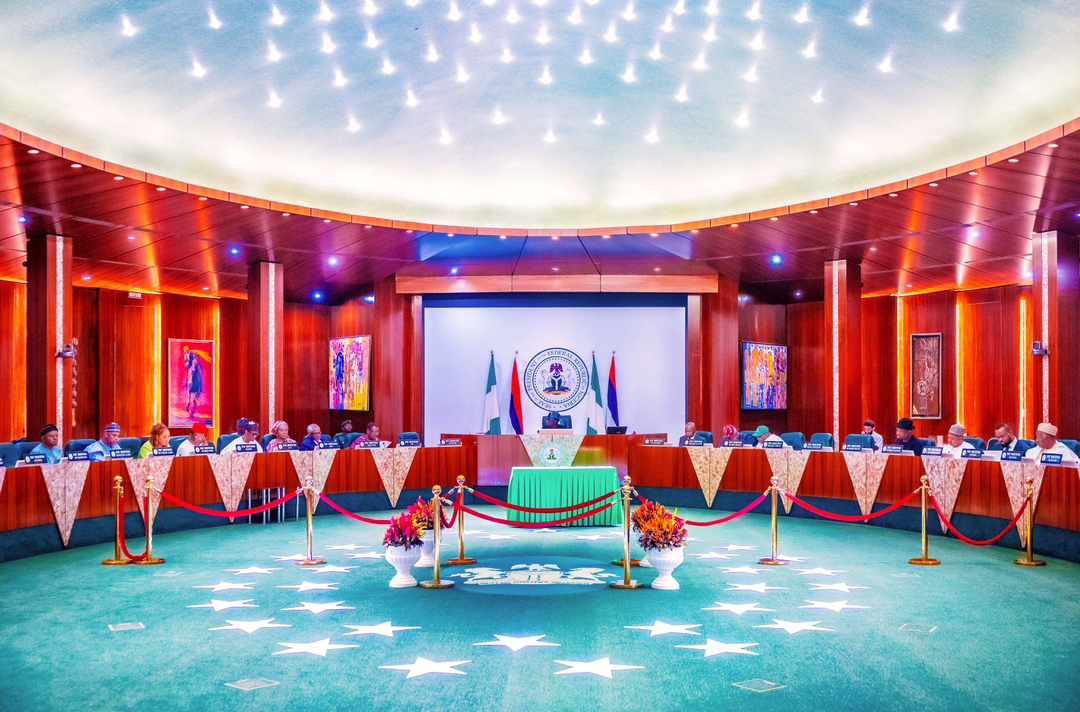
The Nigerian Federal Executive Council (FEC) has officially authorized three major Public-Private Partnership (PPP) projects aimed at modernizing the nation’s infrastructure. The approvals, which follow a rigorous review by the Infrastructure Concession Regulatory Commission (ICRC), focus on digitalizing the transport sector and resolving power shortages at Nigeria’s busiest maritime hubs.
Smart Infrastructure and Port Power A central piece of this upgrade is the establishment of a Smart National Transport Data Bank, to be managed by the Nigerian Institute of Transport Technology (NITT). According to ICRC Director-General Jobson Ewalefoh, this project will address Nigeria’s critical “data gap” by integrating real-time intelligence across road, rail, air, and marine networks. Using automated number plate recognition and vehicle tagging, the system is designed to streamline traffic enforcement and provide the government with the data needed for strategic planning.
Additionally, the FEC approved two Independent Power Projects (IPPs) for the Apapa and Onne port complexes. These facilities are intended to provide a reliable, dedicated electricity supply to the ports, eliminating the productivity bottlenecks caused by the unstable national grid.
The CBN’s Inflation Red Flag While the federal government pushes for growth through infrastructure, the Central Bank of Nigeria (CBN) has issued a stern warning regarding the fiscal habits of Nigeria’s 36 states. Speaking at a Nigeria Governors’ Forum engagement, CBN Deputy Governor Muhammad Abdullahi cautioned that poor financial management at the state level is actively fueling inflation.
The CBN identified several “inflationary triggers” within state operations, including:
-
High domestic debt and uncoordinated borrowing.
-
Inefficient management of Federation Account Allocation Committee (FAAC) receipts.
-
Significant wage arrears and contractor financing burdens.
Abdullahi noted that these fiscal leaks could sabotage the CBN’s upcoming move toward an inflation-targeting monetary policy framework. This new framework aims to stabilize prices and build investor confidence, but its success depends on state governments maintaining strict fiscal discipline alongside federal efforts.
Expanding the PPP Horizon Beyond transport and power, the ICRC has entered talks with the Ministry of Art, Culture, Tourism and the Creative Economy to explore similar private-sector-led investments for tourism infrastructure. The government’s broader strategy under the Tinubu administration appears increasingly focused on leveraging private capital to drive national economic transformation while simultaneously demanding better fiscal coordination from sub-national leaders.
