

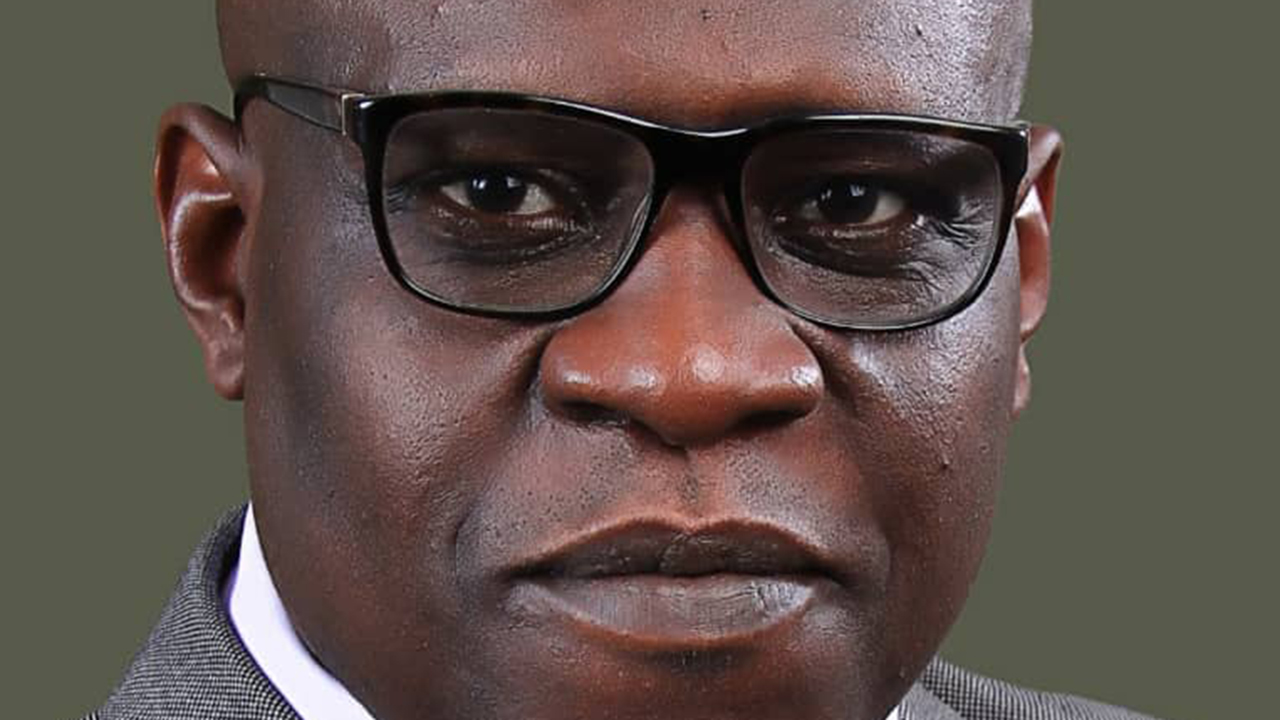
The Nigerian creative landscape is undergoing a tectonic shift, moving from a space defined by passion-driven improvisation to a high-octane economic engine fueled by digital innovation. This transformation is set to take center stage at the 10th anniversary of the Young Leaders Entrepreneurship Conference in Abuja, where Dr. Shaibu Husseini, Executive Director of the National Film and Video Censors Board (NFVCB), will deliver a keynote on “Digital Creatives as Future-Ready Entrepreneurs.”
Beyond Talent: The Rise of the Creative CEO
In a recent engagement with media scholar Oluwatosin Adesile, Dr. Husseini emphasized a sobering reality for the modern artist: talent is no longer a solo act. For a storyteller to survive in 2026, they must be “future-ready,” mastering a suite of business skills including:
-
Branding & Monetization: Transforming intellectual property into diverse revenue streams.
-
Audience Analytics: Using data to understand engagement patterns across global platforms.
-
Digital Relevance: Navigating the fast-paced shifts in streaming and social media algorithms.
The New Guard of Content Creators
A significant portion of this economic value is now being generated outside traditional Nollywood studio systems. A new generation of Nigerians is bypassing the “old guard” to build massive influence through:
-
Short-form content and Skits: Dominating platforms like TikTok and Instagram.
-
Independent Streaming & Digital Docs: Creating high-quality niche content for global audiences.
-
Podcasts and Animation: Expanding the boundaries of traditional Nigerian media.
Nollywood’s Strategic Reset
Even established filmmakers are being forced to think like entrepreneurs. Sustainable storytelling now hinges on professional structures and the ability to leverage cinema tickets alongside digital licensing and brand partnerships.
Dr. Husseini’s involvement signals a progressive shift in regulation. The NFVCB is moving beyond its traditional role of censorship toward a model that fosters a competitive, professional environment. As the creative economy becomes a primary driver of youth employment and digital innovation, the message to emerging talents is clear: The future belongs not just to those who can create, but to those who can lead and innovate.
The Nigerian creative landscape is undergoing a tectonic shift, moving from a space defined by passion-driven improvisation to a high-octane economic engine fueled by digital innovation. This transformation is set to take center stage at the 10th anniversary of the Young Leaders Entrepreneurship Conference in Abuja, where Dr. Shaibu Husseini, Executive Director of the National Film and Video Censors Board (NFVCB), will deliver a keynote on “Digital Creatives as Future-Ready Entrepreneurs.”
Beyond Talent: The Rise of the Creative CEO
In a recent engagement with media scholar Oluwatosin Adesile, Dr. Husseini emphasized a sobering reality for the modern artist: talent is no longer a solo act. For a storyteller to survive in 2026, they must be “future-ready,” mastering a suite of business skills including:
-
Branding & Monetization: Transforming intellectual property into diverse revenue streams.
-
Audience Analytics: Using data to understand engagement patterns across global platforms.
-
Digital Relevance: Navigating the fast-paced shifts in streaming and social media algorithms.
The New Guard of Content Creators
A significant portion of this economic value is now being generated outside traditional Nollywood studio systems. A new generation of Nigerians is bypassing the “old guard” to build massive influence through:
-
Short-form content and Skits: Dominating platforms like TikTok and Instagram.
-
Independent Streaming & Digital Docs: Creating high-quality niche content for global audiences.
-
Podcasts and Animation: Expanding the boundaries of traditional Nigerian media.
Nollywood’s Strategic Reset
Even established filmmakers are being forced to think like entrepreneurs. Sustainable storytelling now hinges on professional structures and the ability to leverage cinema tickets alongside digital licensing and brand partnerships.
Dr. Husseini’s involvement signals a progressive shift in regulation. The NFVCB is moving beyond its traditional role of censorship toward a model that fosters a competitive, professional environment. As the creative economy becomes a primary driver of youth employment and digital innovation, the message to emerging talents is clear: The future belongs not just to those who can create, but to those who can lead and innovate.
