

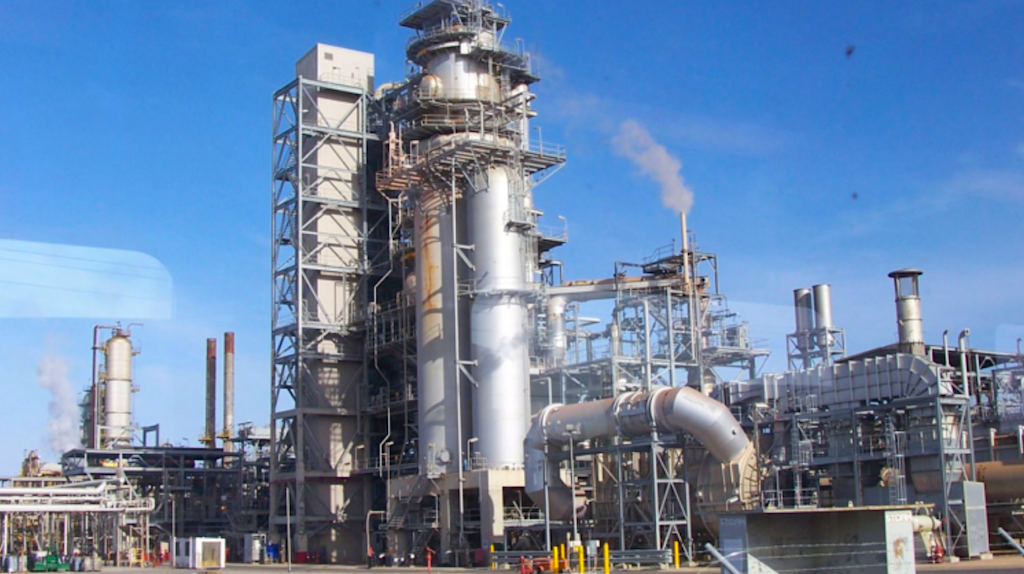
Nigeria’s recent exchange-rate stability is beginning to reshape the country’s broader economic and fiscal landscape, with analysts increasingly pointing to the Dangote Petroleum Refinery as a major factor behind the reduced pressure on the naira.
After experiencing severe currency volatility that pushed exchange rates beyond ₦1,600 to the dollar in early 2025, the naira has stabilised considerably in recent months, trading within the ₦1,350–₦1,430 range by May 2026.
At the same time, daily currency fluctuations have dropped sharply, signaling a calmer foreign exchange market compared to the turbulence recorded throughout 2024.
Refinery Reduces Nigeria’s Dependence on Fuel Imports
Economic analysts say one of the biggest structural shifts behind the naira’s improved performance is the reduction in Nigeria’s fuel import requirements following the operational expansion of the Dangote refinery.
The facility, with a refining capacity of 650,000 barrels per day, has significantly lowered the country’s demand for foreign exchange previously used for importing refined petroleum products.
This development has:
- Reduced pressure on dollar demand
- Lowered reliance on central bank FX interventions
- Improved confidence in Nigeria’s external position
- Reduced exposure to global supply disruptions
The trend has increasingly been described in financial circles as the “Dangote Effect.”
Debt Servicing Pressure Begins to Ease
A more stable exchange rate is also helping Nigeria manage the rising cost of servicing its external debt obligations.
With a substantial portion of Nigeria’s public debt denominated in dollars, sharp currency depreciation had previously inflated debt repayment costs in naira terms.
In 2025, Nigeria reportedly spent over $5 billion servicing external debt. Analysts note that without recent currency stability, the naira equivalent of those payments could have risen significantly higher.
Although the 2026 federal budget still allocates trillions of naira to debt servicing, exchange-rate stability has reduced the risk of sudden fiscal shocks tied to currency weakness.
Economists note that every major depreciation in the naira substantially increases government repayment obligations, making currency stability increasingly important for fiscal planning.
Fuel Import Reduction Supports Trade Balance
The refinery’s impact extends beyond debt management.
Lower imports of refined fuel products have helped reduce Nigeria’s overall import bill, easing pressure on foreign reserves and supporting trade balances.
Analysts say the benefits may expand further as the refinery scales additional operations tied to:
- Petrochemicals
- Polypropylene production
- Industrial feedstock exports
These activities could generate new non-oil revenue streams and improve export earnings over time.
Fiscal Deficit Still a Major Concern
Despite the positive effects of currency stability, economists warn that Nigeria’s broader fiscal challenges remain unresolved.
The federal government is still projected to run a large budget deficit in 2026, with substantial new borrowing expected to finance both recurrent spending and infrastructure projects.
While exchange-rate stability improves debt management and investor confidence, analysts caution that it does not eliminate the underlying gap between government revenue and expenditure.
Stability Benefits Manufacturers and Investors
Businesses operating in Nigeria’s industrial sector are also benefiting from a more predictable currency environment.
A stable naira reduces uncertainty around:
- Raw material imports
- Machinery procurement
- Long-term business planning
- Production costs
Import-dependent industries and local manufacturers alike are expected to gain from improved pricing predictability and lower imported inflation.
For the Dangote refinery itself, currency stability strengthens operational planning by reducing the risk of sudden spikes in the cost of imported components and feedstock.
Analysts believe Nigeria’s recent currency stability could mark the beginning of a broader macroeconomic adjustment if supported by:
- Continued FX market reforms
- Higher domestic refining capacity
- Improved export earnings
- Fiscal discipline
However, they stress that sustaining the gains will require stronger revenue generation, reduced dependence on borrowing, and continued investor confidence in the country’s reform agenda.
