

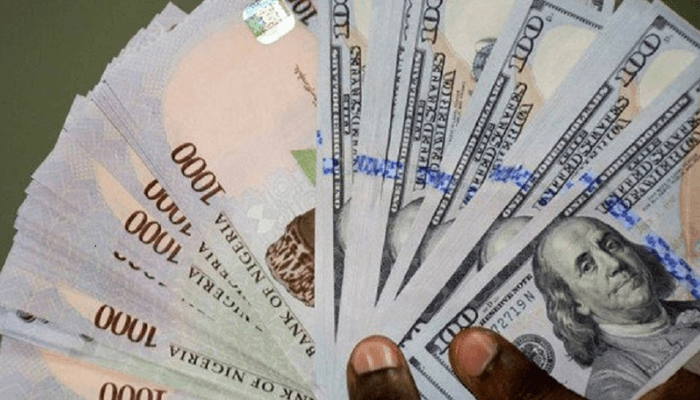
The Nigerian Naira surged to its strongest position in recent history on Friday, closing at ₦1,355.25/$ at the official foreign exchange market. Data released by the Central Bank of Nigeria (CBN) on Saturday confirms a week of consistent appreciation, marking a significant recovery from the pre-Easter close of ₦1,382.75/$.
The Post-Easter Momentum Following the holiday break, the Naira demonstrated resilient short-term stability, reversing the depreciation trends typically seen in previous years:
-
Tuesday: Opened at ₦1,389/$
-
Wednesday: Strengthened to ₦1,369/$
-
Thursday: Appreciated further to ₦1,365/$
-
Friday: Closed at a session high of ₦1,355.25/$
-
Year-on-Year: The current rate represents a massive recovery from the ₦1,606/$ recorded during the same period in April 2025.
Global Shifts: The “Safe-Haven” Unwind The Naira’s local gain was bolstered by a broader retreat of the U.S. Dollar on the global stage.
-
Ceasefire Impact: Geopolitical tensions in the Middle East, which had previously driven investors toward the dollar as a “safe haven,” began to cool following a ceasefire agreement earlier in the week.
-
Dollar Decline: As the dollar headed for its largest weekly drop since January, emerging market currencies like the Naira found breathing room to appreciate.
The Sustainability Question: Reserve Watch While the exchange rate paints a positive picture, the underlying “war chest” of the CBN is showing signs of strain.
-
Depleting Reserves: Nigeria’s external reserves fell to $48.85 billion by April 9, down from $49.18 billion at the start of the month.
-
Contradictory Trends: The gain in the Naira’s value despite a decline in reserves has raised eyebrows among analysts who worry about the long-term sustainability of this recovery if the depletion continues.
-
The Long View: Despite the recent dip, the CBN remains bullish, projecting that reserves will climb to $51.04 billion by the end of 2026, up from the $45.01 billion average in 2025.
The Bottom Line The Naira is currently riding a wave of favorable global conditions and domestic policy reforms. However, the disconnect between a strengthening currency and falling external reserves suggests that the CBN is still actively intervening to maintain this “sweet spot.” For businesses and investors, the focus now shifts to whether the apex bank can hit its $51 billion reserve target to provide a permanent floor for the currency.
