

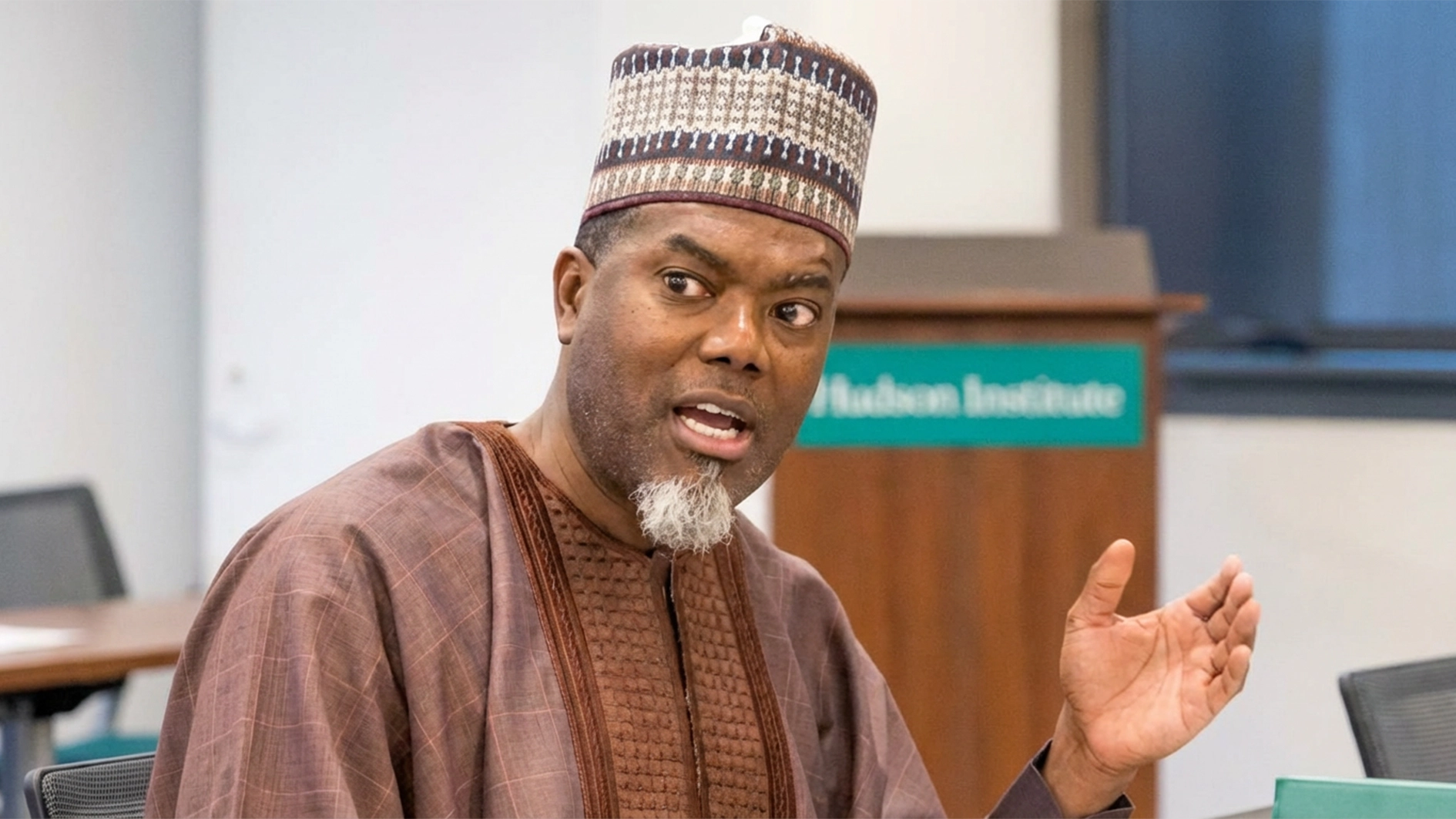
The debate over Nigeria’s fiscal health has intensified as former presidential aide Reno Omokri publicly contested recent reports regarding the debt profile inherited by the Tinubu administration. Omokri argues that the total public debt at the time of the May 2023 transition was significantly higher than previously suggested, placing the figure at $113 billion.
Contesting the “March 31” Data
The core of the dispute centers on a fact-check report that cited a debt figure of $108.29 billion. Omokri pointed out that this number was based on Debt Management Office (DMO) data from March 31, 2023—nearly two months before President Bola Ahmed Tinubu took the oath of office.
According to Omokri, the March data is an incomplete representation because:
-
Q2 Borrowing: It fails to account for additional loans secured by the Buhari administration during the second quarter of 2023.
-
Hidden Liabilities: It did not include the “Ways and Means” debt (central bank financing) that only came to light following the transition of power.
The $113 Billion Breakdown
Citing research from the fact-checking organization Dubawa, Omokri asserts that by June 2023, the national debt had climbed to ₦87 trillion ($113 billion). The breakdown of these liabilities includes:
-
External Debt: ₦33 trillion ($43 billion) in total foreign obligations.
-
Federal vs. State: The federal government accounted for ₦29 trillion ($38 billion), while states and the FCT held ₦3 trillion ($4 billion).
A Call for Journalistic Accuracy
Omokri has urged media outlets to reconsider their framing of the nation’s financial timeline. He characterized the use of earlier, lower figures as misleading, arguing that an accurate assessment of the current administration’s starting point is essential for transparency.
By pushing for the verification of Q2 2023 data, Omokri aims to ensure that the public understands the full scale of the fiscal challenges handed over to the new government, rather than relying on outdated quarterly snapshots.
