

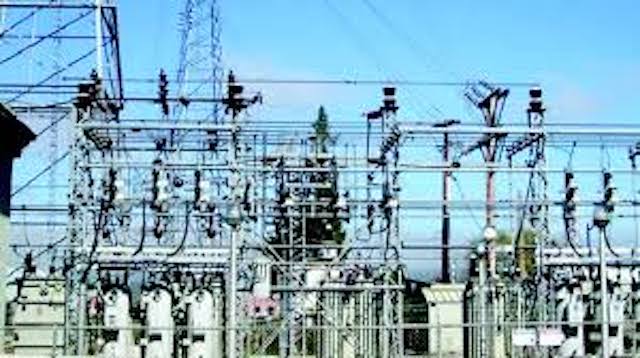
The Nigerian power sector is currently grappling with a severe supply crisis, as national generation has plummeted to approximately 4,300 megawatts. This decline has compelled the Nigerian Independent System Operator (NISO) to implement widespread load shedding—a strategic reduction in electricity supply—to prevent a total collapse of the national grid. By limiting the allocations provided to distribution companies, the operator aims to maintain system stability amidst dwindling output.
The Feedstock Deficit
A primary driver of this instability is a significant shortfall in fuel supply for thermal power stations. Data from NISO indicates a stark disparity between required and actual resources:
-
Required Gas Supply: 1,630 million standard cubic feet (mmscf) per day.
-
Actual Supply (as of Feb 23): ~692 mmscf per day.
-
Deficit: Thermal plants are currently operating with only 43% of the necessary gas volumes.
NISO has confirmed that this feedstock constraint directly limits national energy production, necessitating a regulated distribution strategy where available power is rationed based on predefined percentages to ensure the grid remains functional.
Financial Instability and Rising Debt
The operational challenges are exacerbated by a deepening financial crisis. Although the government initiated a phased plan last year to refinance 4 trillion naira in sectoral debt—primarily owed to 27 generation companies for unpaid invoices dating back to 2015—the intervention appears insufficient.
While a 501 billion naira bond was issued in January to inject liquidity into the system, industry stakeholders argue the measure is reactive rather than curative. Market estimates suggest the total debt has now escalated to approximately 6 trillion naira, a figure that continues to stifle infrastructure investment and prolong frequent outages.
Impact on Tariff Reforms
This volatility is also undermining recent fiscal reforms. Earlier this year, tariffs were increased for high-income consumers (representing about 15% of the user base) under the premise of guaranteed supply. However, the current inability to provide consistent power—even to those paying premium rates—is driving a growing number of consumers to seek alternative energy solutions, threatening the long-term viability of the national grid.
