

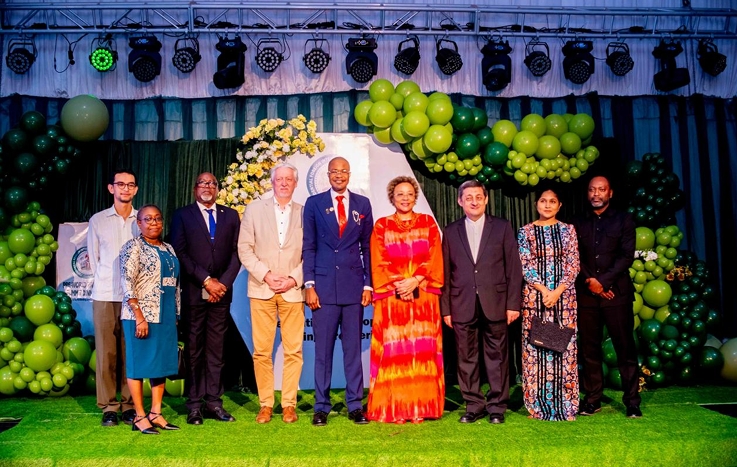
Nigeria is preparing to host a massive global gathering, the 2026 World Investment Summit (WIS) Abuja, from June 24 to 26. The event is expected to be a watershed moment for the national economy, with organizers projecting over $500 billion in investment commitments, Memoranda of Understanding (MoUs), and public-private partnerships.
Adeniyi Adeyemi Matthew, Director-General and Convener of WIS, announced that the summit will serve as the launchpad for several high-impact global institutions headquartered in Nigeria, signaling the country’s intent to become the primary investment gateway for Africa.
Strategic Infrastructure and Institutional Launches
Beyond standard deal-making, the summit is designed to establish a permanent global investment architecture within Nigeria. Key projected outcomes include:
-
The World Investment Bank: A new international financial institution to be headquartered in Nigeria.
-
The World Investment Platform: A digital ecosystem to bridge global capital with emerging market opportunities.
-
World Investment & Innovation Hub: A physical center in Abuja dedicated to fostering high-tech startups and industrial research.
-
200+ PPP Deals: Strategic agreements focused on energy, transport, digital technology, and agriculture.
Aligning with the $1 Trillion Ambition
The summit is a centerpiece of President Bola Ahmed Tinubu’s goal to expand the Nigerian economy to $1 trillion by 2030. Organizers highlighted that recent “courageous” reforms—such as exchange rate unification and the removal of petrol subsidies—have laid the necessary groundwork to restore investor confidence.
The event is expected to attract:
-
Global Leadership: Over 127 heads of state and 8,000 participants, including CEOs of major transnational corporations.
-
Sovereign Wealth Funds: Major institutional investors looking for high-yield opportunities in the AfCFTA era.
-
Policy Dialogue: A platform for government leaders and private sector titans to shape international investment laws.
Nigeria as a Global Hub
Hosting the WIS 2026 in Abuja provides both symbolic and practical advantages. As Africa’s largest economy and a leader in the African Continental Free Trade Area (AfCFTA), Nigeria is positioning itself as the “symbol of emerging market resilience.”
Matthew emphasized that the summit will not only bring in billions but will also ensure that Nigeria is aligned with Sustainable Development Goals (SDGs), promoting inclusive growth that addresses job creation and technological advancement for a rapidly growing population.
