

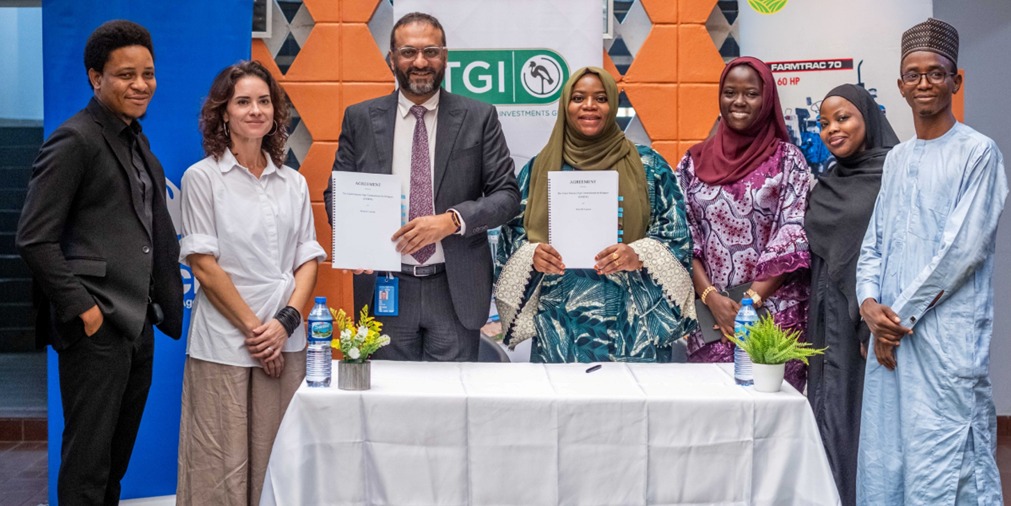
Moving away from short-term humanitarian handouts, international development agencies and private agro-industrial conglomerates are shifting toward market-driven economic models to tackle displacement crises.
The United Nations High Commissioner for Refugees (UNHCR) has signed a three-year economic empowerment pact with TGI Group. The project will be executed by TGI’s specialized agribusiness arm, WACOT Limited, across Benue and Cross River states.
The joint program will establish localized, high-yield supply chains, directly supporting over 5,000 smallholder farmers and creating 10,000 jobs. The partnership focuses heavily on vulnerable and displacement-affected populations, aiming to benefit between 25,000 and 35,000 individuals—including refugees, internally displaced persons (IDPs), and their local host communities.
Upgrading the Regional Crop Yield Architecture
The partnership focuses heavily on helping displaced populations build independent livelihoods so they can move away from relying on temporary aid.
The program targets five key cash and food crop value chains: Rice, maize, sesame, soya, and cocoa.
Rather than just distributing seeds, WACOT Limited is providing hands-on training to help local farmers secure formal crop certifications.
By meeting these strict corporate standards, smallholders can bypass traditional middlemen and sell their harvests directly to large agro-processing hubs at guaranteed market prices. This reliable setup protects farmers from sudden price drops while cutting down on post-harvest storage losses.
Securing Food Chains to Fight Displacement Pressures
The project launches at a time when displacement challenges are putting extreme pressure on local food security across sub-Saharan Africa.
According to UNHCR’s latest data, conflict, economic shocks, and environmental challenges have left over 117.8 million people forcibly displaced worldwide. Nigeria is deeply affected by this trend, hosting more than 3.8 million internally displaced persons, who now make up roughly 3.5% of the global displaced population.
By turning displacement camps and nearby farming communities into highly productive outgrower networks, the program helps stabilize regional food supplies.
Preparatory field activities—including community town halls, stakeholder alignment sessions, and soil sampling analysis—have already concluded, paving the way for immediate seasonal cultivation.
