

In the fast-moving consumer goods ($\text{FMCG}$) and manufacturing sectors, maintaining market dominance requires more than just product innovation. A manufacturing firm’s real strength lies in its downstream distribution network. Wholesalers, regional distributors, and independent retailers act as the vital bridge between the factory floor and the end consumer.
When macroeconomic challenges put pressure on retail markets, companies must use strategic trade incentives to protect their supply chains, prevent channel attrition, and keep their distributors motivated.
To reinforce this critical network, mattress and sleep accessories manufacturer Mouka Limited—a subsidiary of the pan-African Dolidol International Group—has completed the latest phase of its “World of Comfort” distributor incentive initiative.
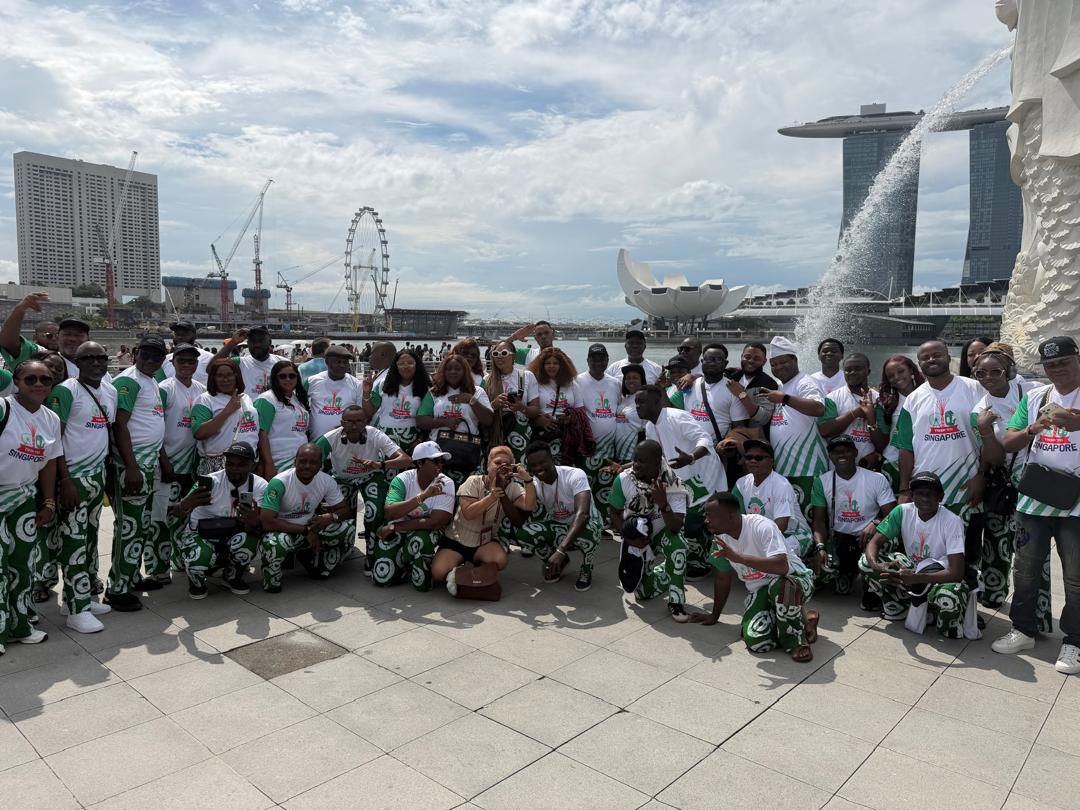
The program culminated in a curated corporate incentive trip to Singapore for top-performing trade partners, alongside the distribution of high-value commercial assets and consumer electronics across its nationwide network. This strategy is designed to reward high sales performance, drive deeper market penetration, and secure long-term brand loyalty.
The Architecture of Channel Incentives: Beyond Transactional Margins
Traditional supply chain models often rely strictly on volume-based discounts or basic price rebates to manage distributor relationships. While these financial strategies help drive short-term sales volume, they can leave manufacturers vulnerable to price wars if a competitor introduces a cheaper alternative.
Mouka’s “World of Comfort” framework shifts away from purely transactional relationships, using a multi-tiered reward system to build deeper institutional partnerships
-
Tier 1: High-Value Global Exposure: Top-tier distributors (including firms like Goldoak Builder Mart, Starbiz Lynk, and Nwachinemerem Enterprise) received an fully curated trip to Singapore. Blending leisure with direct executive networking, the itinerary included visits to Marina Bay Sands, Gardens by the Bay, and Sentosa Island, helping to strengthen personal ties between company executives and major channel partners.
-
Tier 2: Operational and Business Support Assets: To support daily business efficiency, the program provides distributors with practical tools like commercial tricycles, corporate scholarships, and specialized logistics support to help lower their local delivery overheads.
-
Tier 3: Consolation Material Capital: To reward performance across a broader group of partners, Mouka distributed functional electronics and appliances—such as smart televisions, standing air conditioners, power generators, and six-burner gas cookers—providing immediate utility to mid-tier retail operations.
The Macro Outlook for Channel Integration
As a long-standing player in the Nigerian manufacturing landscape since its founding in 1959, Mouka’s focus on structured trade rewards highlights a broader operational reality: in a tight consumer market, a manufacturer’s growth is directly tied to the financial health of its distribution channels.
By inviting new wholesalers and retail entrepreneurs into its distribution network, the company is positioning itself to capture shifting market demand.
Providing distributors with a combination of trusted brand equity, localized logistics assistance, and high-value performance rewards helps lower the entry risks for new small and medium enterprises ($\text{SMEs}$). As these distribution networks scale, they help secure Mouka’s long-term production volumes, optimize factory utilization rates, and defend the company’s leading position within the competitive West African manufacturing sector.
