

When a sovereign nation looks to fund its budget deficits or restructure expensive legacy obligations, the choice of financial tool matters just as much as the amount borrowed. While traditional instruments like Eurobonds offer clear, standardized public terms, complex structured derivatives can introduce hidden costs and volatile short-term payment structures that place added stress on national reserves.
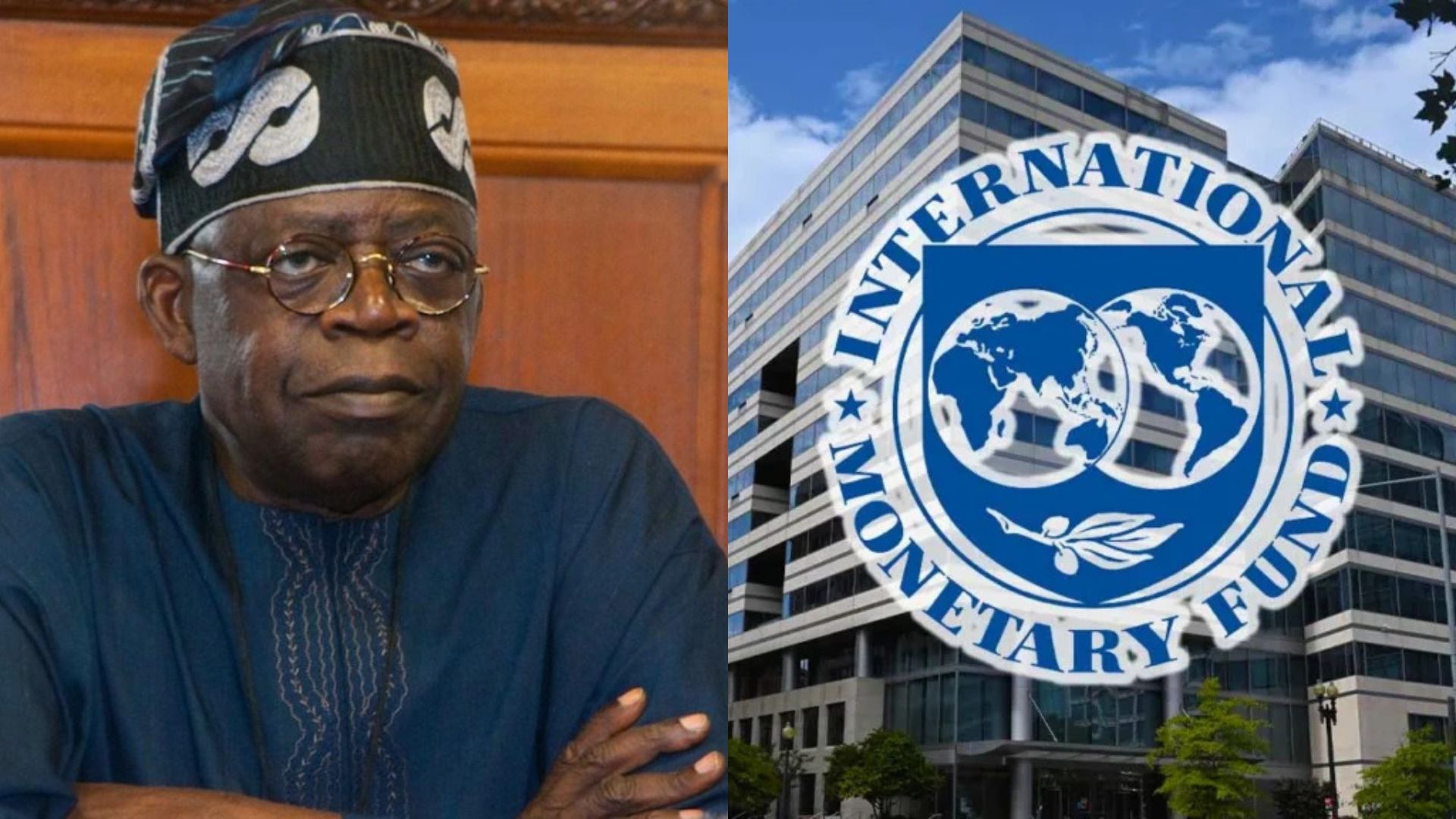
The International Monetary Fund (IMF) has issued a clear caution regarding Nigeria’s legislative approval to secure up to $5 billion (approximately ₦6.8 trillion) via a structured derivatives agreement with First Abu Dhabi Bank (FAB).
The transaction—structured as a Total Return Swap (TRS)—has already been cleared by the Nigerian Senate. This moves Nigeria into alignment with other sub-Saharan sovereign borrowers, including Angola and Senegal, that have recently turned to alternative derivative setups to raise fast liquidity.
Dismantling the Total Return Swap: Transparency vs. Liquidity
A Total Return Swap ($\text{TRS}$) is a specialized derivative contract. In a sovereign setup, the borrowing nation typically trades the total economic performance of an underlying asset (such as high-yielding domestic bonds or specific oil revenues) in exchange for regular cash payments from an international investment bank at a fixed or floating rate.
While the Ministry of Finance plans to use these upfront swap proceeds to refinance expensive short-term domestic obligations and fund critical infrastructure, the IMF warns that the underlying mathematics of these deals can be highly unpredictable:
-
The Transparency Deficit: Christian Ebeke, the IMF Resident Representative in Nigeria, pointed out that these structures are inherently opaque. Because the exact contract details, collateral requirements, and margin call triggers are rarely made public, tracking total state liabilities becomes difficult.
-
Rollover Vulnerabilities: Relying on short-term foreign portfolio investment ($\text{FPI}$) structures exposes the central bank to sharp rollover shocks if global interest rates change or risk premiums jump.
-
The Alternative Path: The Fund advises that Nigeria should instead issue standard Eurobonds or look for long-term concessional financing from multilateral development institutions to secure more predictable, lower-cost funding.
The Macroeconomic Paradox: Growing Reserves vs. Domestic Inflation
This warning from the IMF comes at a time when Nigeria’s high-level economic indicators are showing significant divergence. On one side, the aggressive monetary tightening, exchange rate liberalisation, and fuel subsidy removals implemented since 2023 have successfully rebuilt foreign investor confidence.
The Central Bank of Nigeria (CBN) recently confirmed that gross external reserves have reached $50 billion, marking a 17-year high. This accumulation of foreign exchange has helped the country regain access to international capital markets and drive down sovereign risk premiums.
Yet, the IMF’s Article IV consultation notes that these high-level macro gains have not translated to everyday citizens. Driven by currency adjustments and high inflation, the national poverty rate remains sticky at 63%, leaving millions facing food insecurity. This stark contrast highlights the urgent need to balance structural economic adjustments with targeted social safety nets to protect vulnerable households.
Strategic Outlook
Nigeria’s turn toward Middle Eastern derivatives highlights the challenging choices facing emerging market treasuries as they manage large fiscal deficits.
While the $5 billion swap with First Abu Dhabi Bank provides immediate cash to refinance older debts, it introduces complex risk factors to the nation’s balance sheet.
As the government moves forward with this strategy, maintaining clear reporting, ensuring adequate reserve coverage for potential margin adjustments, and transitioning toward more stable Foreign Direct Investment ($\text{FDI}$) pipelines will be essential to protecting the country’s financial stability from sudden global economic shifts.
