

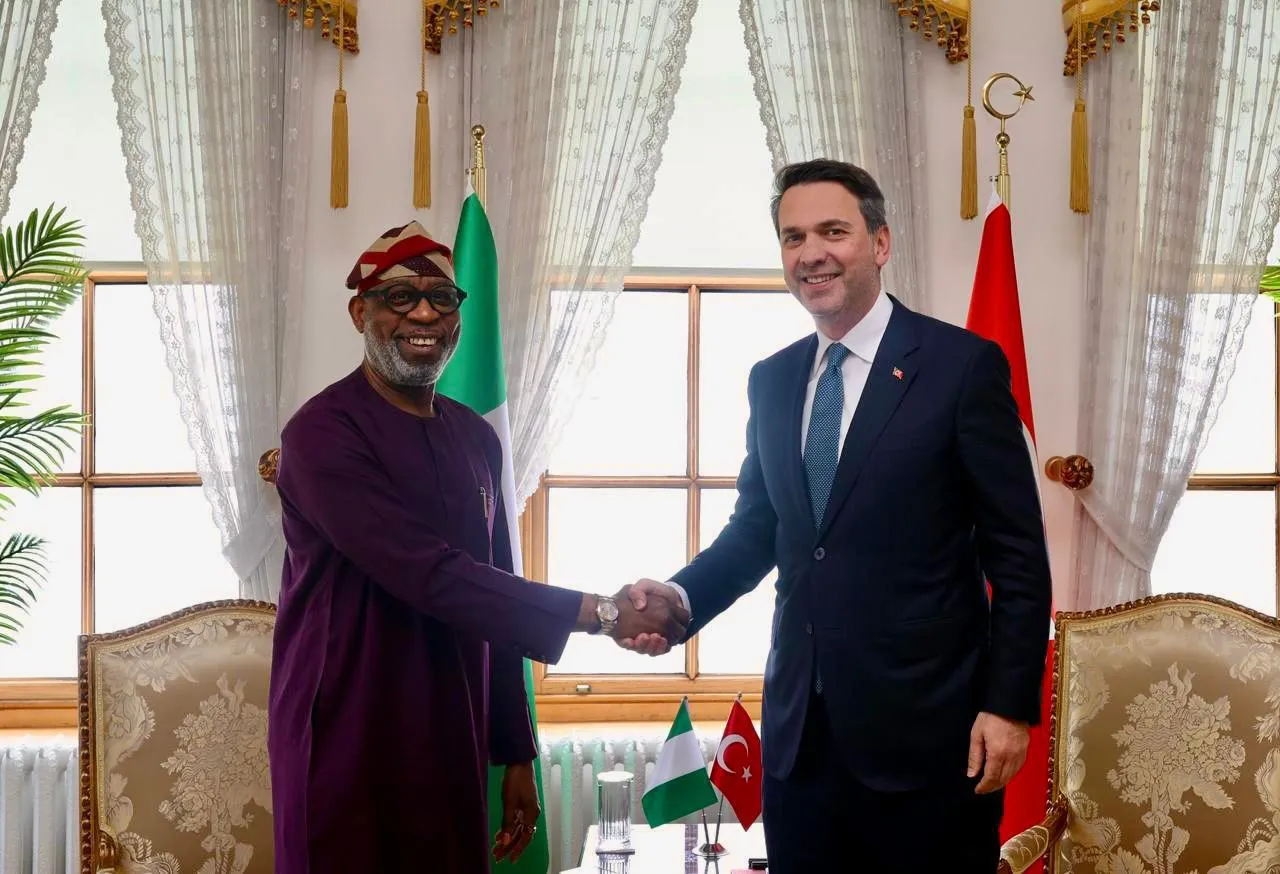
Nigeria and Türkiye have signed a comprehensive mining cooperation agreement designed to transition their bilateral trade relations into a highly structured, operational framework. The pact was signed by the Turkish Minister of Energy and Natural Resources, Alparslan Bayraktar, and Nigeria’s Minister of Solid Minerals Development, Dr. Oladele Henry Alake, during the 2nd Istanbul Natural Resources Summit.
The agreement updates an initial memorandum signed in 2021, moving it from a general statement of intent into a results-driven framework. The updated accord targets joint investments in advanced geological exploration, digital mineral management mapping, and specialized mining technology transfers. This comes as Nigeria attempts to position itself as Africa’s primary hub for critical minerals, having recently attracted $2.6 billion in fresh mining investment commitments.
1. Structural Pillars of the Bilateral Framework
The updated treaty focuses heavily on technological and regulatory modernization to solve the structural vulnerabilities that have historically slowed the growth of Nigeria’s mining sector:
-
Geological Exploration & Data Wealth: Türkiye’s state-backed exploration entities will deploy advanced airborne geophysical surveys and deep-drilling technology to update Nigeria’s national mineral deposits registry. This replaces outdated surface-level data with high-resolution sub-surface profiles.
-
Digital Systems Integration: Implementing modern automated tracking networks within the Nigeria Mining Cadastre Office (MCO). Moving asset titles, lease allocations, and royalty payments to paperless, transparent digital ledgers reduces corruption risks and speeds up processing times for international investors.
-
Aggressive Enforcement Against Illegal Extraction: Deploying technology-driven monitoring systems to back the recently formed Mining Marshals—a specialized security unit tasked with eliminating illegal mining networks and securing mining sites.
2. Aligning with Africa’s Shifting Resource Control Landscape
The Nigeria-Türkiye agreement aligns with a broader trend across Sub-Saharan Africa, where resource-rich nations are tightening regulations to retain more value from their natural wealth. Rather than continuing to export unrefined raw ores, African governments are increasingly mandating local processing and stricter lease terms.
This continent-wide shift in mineral governance is reflected in several regional policy changes:
| African Mining Jurisdiction | Regulatory Strategy (2025/2026 Phase) | Impact on Global Supply Chains |
| Nigeria | Enforcing mandatory local beneficiation policies as a condition for granting mining licenses. | Halts the export of raw lithium and gold ores; requires domestic processing plants to upgrade minerals locally before export. |
| Ghana | Implementing a stricter approach to lease renewals and conducting rigorous compliance reviews on major concessions. | Restructures corporate ownership models to give the state higher equity stakes in gold and green mineral projects. |
| Zimbabwe | Restricting the export of raw lithium and enforcing strict localization rules for major mining assets. | Forces international miners to build domestic processing hubs, supporting local value retention. |
3. Positioning for Global Critical Mineral Chains
Minister Dele Alake noted that the mining reforms implemented over the past three years are beginning to restore international investor confidence. By combining Nigeria’s vast, unexploited critical mineral reserves—including lithium, nickel, cobalt, and columbite—with Turkish industrial expertise, the partnership aims to build a transparent, secure, and predictable business environment.
This strategy is part of a broader effort to secure backing from global markets, including the United States, to establish Nigeria as a reliable alternative source for the world’s critical mineral supply chains.
