

Introducing MINE 1000: The Largest Profiling of Made In Nigeria Entrepreneurs (MINE)
Nigeria’s entrepreneurial spirit is one of its greatest untapped national assets.
Across cities, campuses, and communities, millions of small business owners are quietly building, innovating, and creating value—often without recognition, documentation, or visibility.
MINE 1000 (Made In Nigeria Entrepreneurs 1000) is a bold national initiative by naijapreneur.com to change that.
It is the largest annual profiling of Small Business Owners in Nigeria, capturing 1,000 real entrepreneurial stories from across the country—documenting their journeys, struggles, breakthroughs, and impact. This project is designed to become a permanent digital archive of Nigerian entrepreneurship, accessible to the public, investors, government, researchers, policymakers, and future generations.
These are not just success stories.
They are real stories—raw, inspiring, and deeply reflective of what it truly means to build a business in Nigeria.
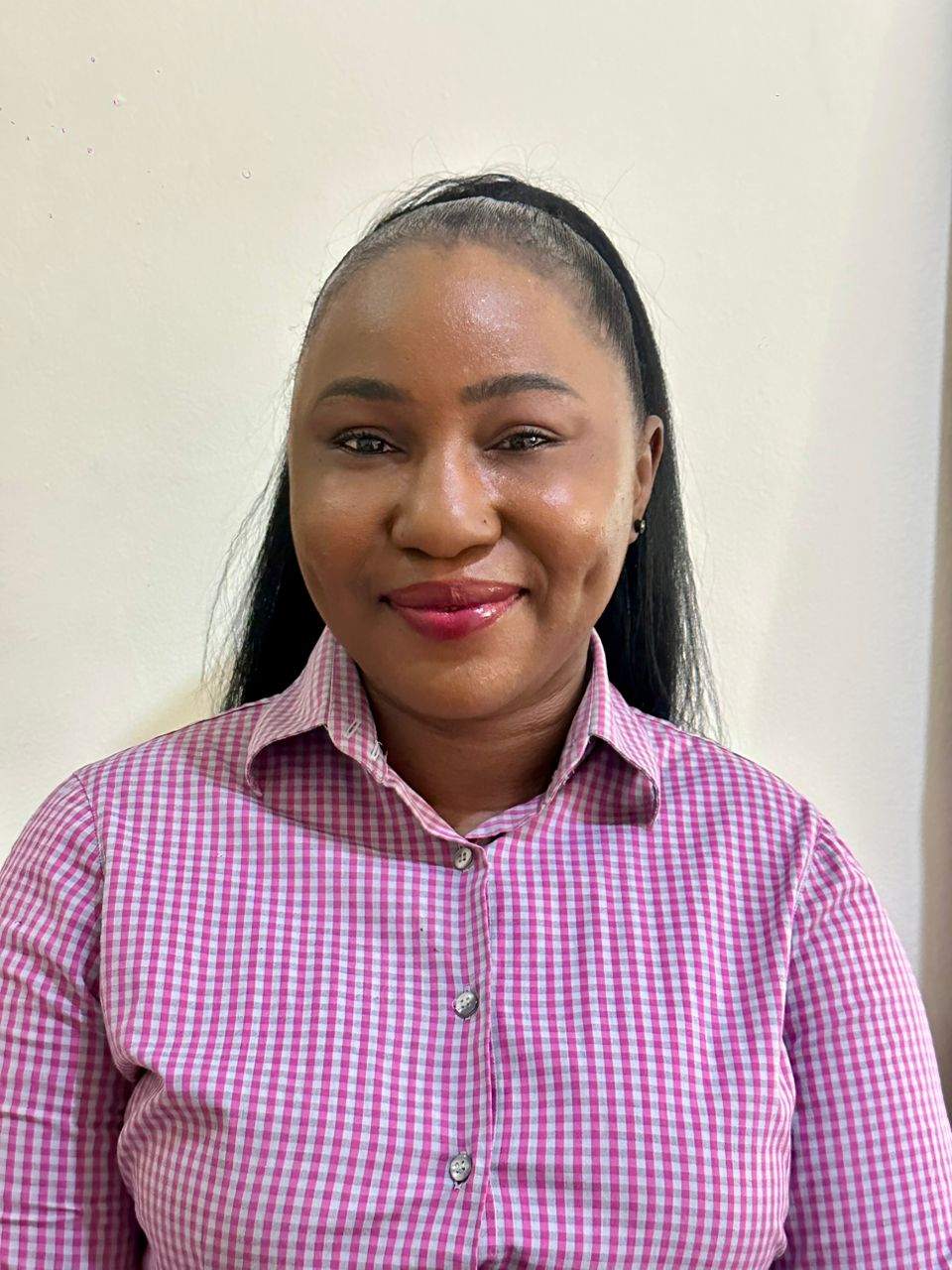
Meet Adedolamu Olaribigbe – Founder, Talent Ace Ltd.
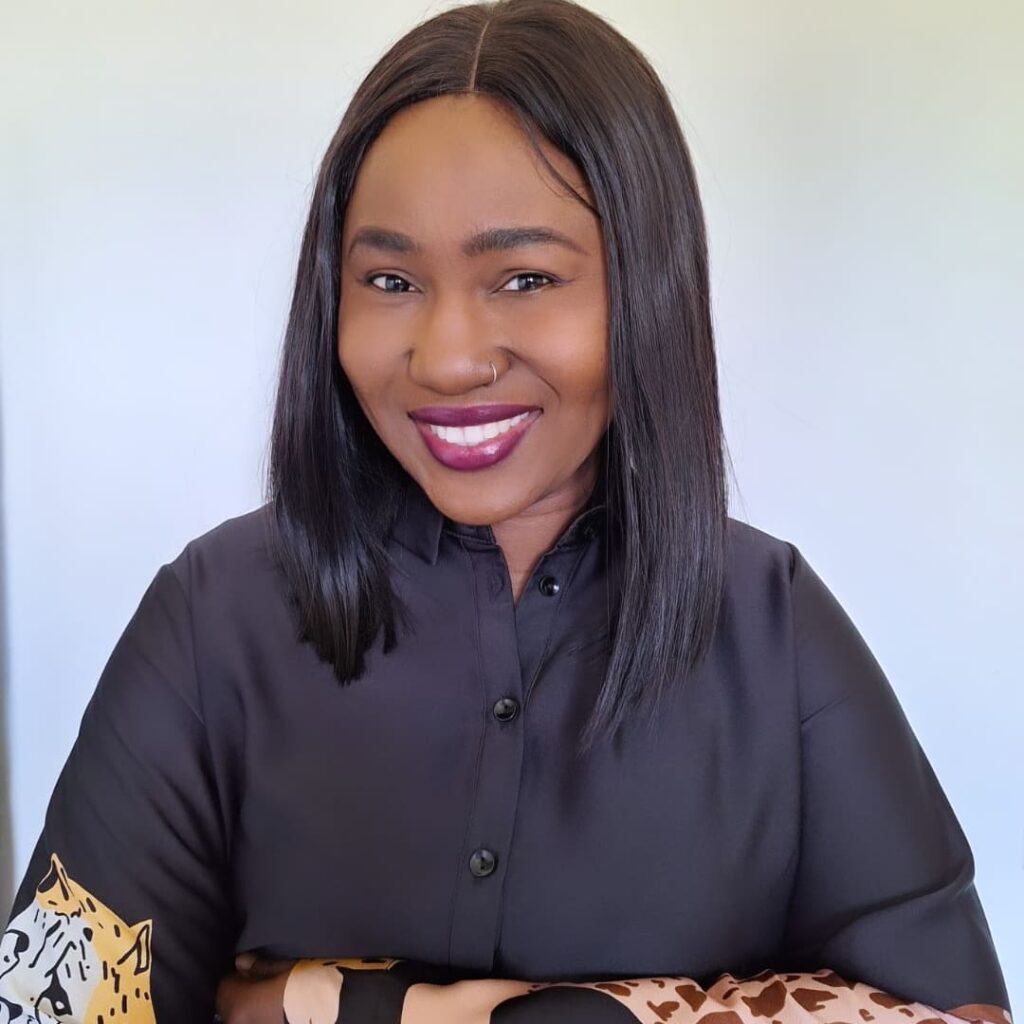
In Nigeria’s job market, the gap between a CV and the right hire is where most companies bleed money — and where most candidates get overlooked. For Adedolamu Olaribigbe, that gap is the entire business.
For Adedolamu Olaribigbe, the journey into entrepreneurship was not sparked by a sudden inheritance, an investor cheque, or a single breakthrough moment. It was sparked by a quiet, accumulating dissatisfaction — the kind that builds inside salaried life until it can no longer be ignored. Born and raised in Lagos within a household shaped by business and professional careers, she grew up in an environment where steady work was the framework for everything else. From an early age, she absorbed the idea that money is earned, structure protects it, and your output is the only honest argument for your worth.
Before stepping into entrepreneurship, her ambition was straightforward — she just wanted a job and a steady income. Security, not founder-fame, was the dream. She built a career inside that dream, first as a Recruitment Manager at a fitness company, then as an Assessor for HR consulting firms. Both roles became the apprenticeship she didn’t know she was getting — teaching her how to source candidates, assess fit, and deliver under deadline.
But it was within that space that she began to notice a gap.
The company kept profiting from her instinct while she carried the weight of delivery. She felt underpaid, undervalued, and overworked. In 2020, at the age of 34, she walked away from salaried life and registered Talent Ace Ltd with zero financial capital — leveraging only the recruitment playbook and HR network she had built over the years.
In this MINE 1000 Spotlight, she shares her transition from corporate recruiter to founder, offering practical insights into trust, timeliness, people management, and the realities of building a service-based recruitment firm in Nigeria.
This is her MINE story.
SECTION A — THE FOUNDER’S ORIGIN STORY

Every giant once stood on wobbly legs.
What is your full name and what do you prefer to be called?
Adedolamu Olaribigbe. I prefer to be called Dola.
Where did you grow up?
Lagos, Nigeria.
What did your parents do for a living, and how did that shape your view of work and money?
Business and Professional career.
Before entrepreneurship, what did the younger version of you dream of becoming?
I just wanted to have a job and earn money.
Describe the moment you realized you wanted to run your own business. Was it a gradual awakening or a lightning bolt moment?
I would say when I felt underpaid, undervalued and over worked by an employer. I had a knowing it was time to start my own recruitment firm.
Who is the one person (alive or dead, known personally or not) that you would credit as an inspiration for your entrepreneurial journey?
God.
SECTION B — THE BUSINESS BIRTH
From idea to first sale.
What is your official business name?
Talent Ace Ltd.
In one sentence, what does your business do?
Talent Ace Ltd helps businesses find and hire the right talent.
What year did you start, and how old were you at the time?
2020. Age 34.
What were you doing for money in the 12 months before you started this business?
I was the Recruitment Manager in a fitness company and I am Assessor for HR consulting companies.
How much did you start with?
Zero capital.
Where did the money come from: (Be specific: personal savings, cooperative, friends, bank loan, etc.)?
I didn’t need capital to start. I just needed to have the tools and clients.
How many times did you hear “no” before you got to “yes”?
None.
Where did you operate from on Day 1: (Your bedroom, a shop, under a tree, online only:)?
My room.
Tell us about your very first customer. Who were they, how did they find you, and how did you feel when they paid you?
My partner referred a client who needed to fill multiple roles in her IT company. After the positions were successfully filled, she paid. The payment was a confidence booster.
What was your biggest mistake in the first year, and what did it teach you?
None.
If your business were a child, describe its difficult birth or toddler years.
It was a struggle to get clients, the first year was a crawling stage.
SECTION C — THE STRUGGLE CHRONICLES

What didn’t kill the business…
Describe a moment when you almost quit. What pushed you to the edge, and what pulled you back?
I have never thought of quitting. The past successes were my motivation to keep going forward.
What was your lowest financial point: (e.g., couldn’t pay rent, staff salaries, almost bankrupt)?
None.
Have you ever been betrayed in business: By a partner, employee, or customer: How did you handle it?
I would say by people I considered friends, who I offered my services and refused to pay in full.
What sacrifices have you made personally for this business: (Time with family, health, relationships, sleep, etc.)?
My business is like my child. I cannot abandon my business.
How has entrepreneurship affected your mental and emotional health: What do you do to stay grounded?
Personally, I love the flexibility of being an entrepreneur. I am in control of my time but the goal is always to deliver on my promise within the agreed timelines. I rest when I need to and work when I have to.
What criticism or doubt did you face from friends or family when you started, and do they still doubt you?
None.
Have you ever had to lay someone off: How did that feel, and how did you handle it?
No.
SECTION D — THE BREAKTHROUGH MOMENTS
The tide turns.
What was the single biggest opportunity that changed your business trajectory?
I had a client who just registered a business. There were multiple roles to fill within a short period of time. After the deal was completed, the recruitment fees paid off.
Describe your “first million” moment (first ₦1 million in revenue or profit). How long did it take, and how did you celebrate?
It was not a special moment. I believe the feeling I had was there was more, I can make more money.
Who believed in you when it mattered most, and what did they do?
God.
What is the one decision you made that turned out to be brilliantly right, even if it seemed risky at the time?
Quitting my job as a Recruitment Manager and plunging into the entrepreneurial space.
Tell us about a mentor, advisor, or supporter who made a difference. What specific advice changed your approach?
None.
When did you first realize, “I might actually pull this off”?
When my first client paid the recruitment one off fees before I started sourcing for candidates.
SECTION E — THE BUSINESS TODAY
Where things stand.
Current team size: How many full-time and part-time employees do you have?
None.
Current locations: Where do you operate now compared to where you started?
Lagos, Nigeria.
Annual revenue range?
₦5M – ₦25M
What is your most popular product or service, and why do customers love it?
Recruitment Services. Businesses struggle to keep their best employees and struggle to find the ideal talent.
Who is your ideal customer, and how do you reach them?
Business owners. Mostly by referrals.
What sets you apart from competitors?
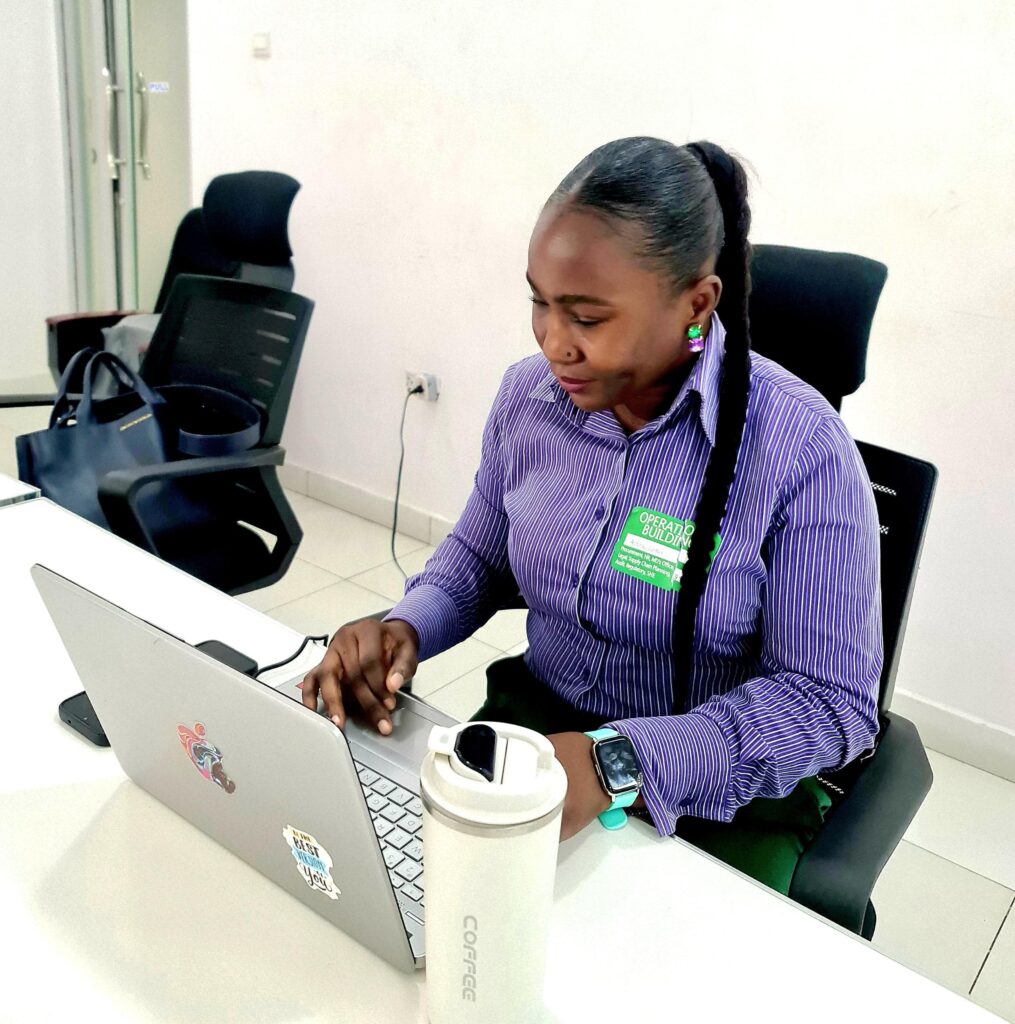
My words are my bond. I deliver quality service at the agreed timelines.
What is the biggest operational challenge you face right now?
Expansion.
How has your role as founder changed from when you started to now?
Not much. I am still running lean and in control of the process from sourcing candidates to onboarding candidates.
SECTION F — LESSONS FROM THE TRENCHES
If I knew then what I know now.
What do you know now about running a business in Nigeria that you wish you knew on Day 1?
Sustaining a business can be challenging, however with the right mindset and goals that have been set, one has to focus on achieving set goals.
What is the biggest myth about entrepreneurship that you want to debunk?
Entrepreneurship is not for everyone. Actually we have been programmed to accept 9-5 as the ideal way of working. Everyone has an Entrepreneurial mindset, those in 9-5 have traded theirs for the employers.
What specific skill has proven most valuable to your success?
People management. Managing people is one of the toughest job. You need to understand people’s values, attitude, character and manage them to succeed in any business.
What system, tool, or habit has made the biggest difference to your productivity?
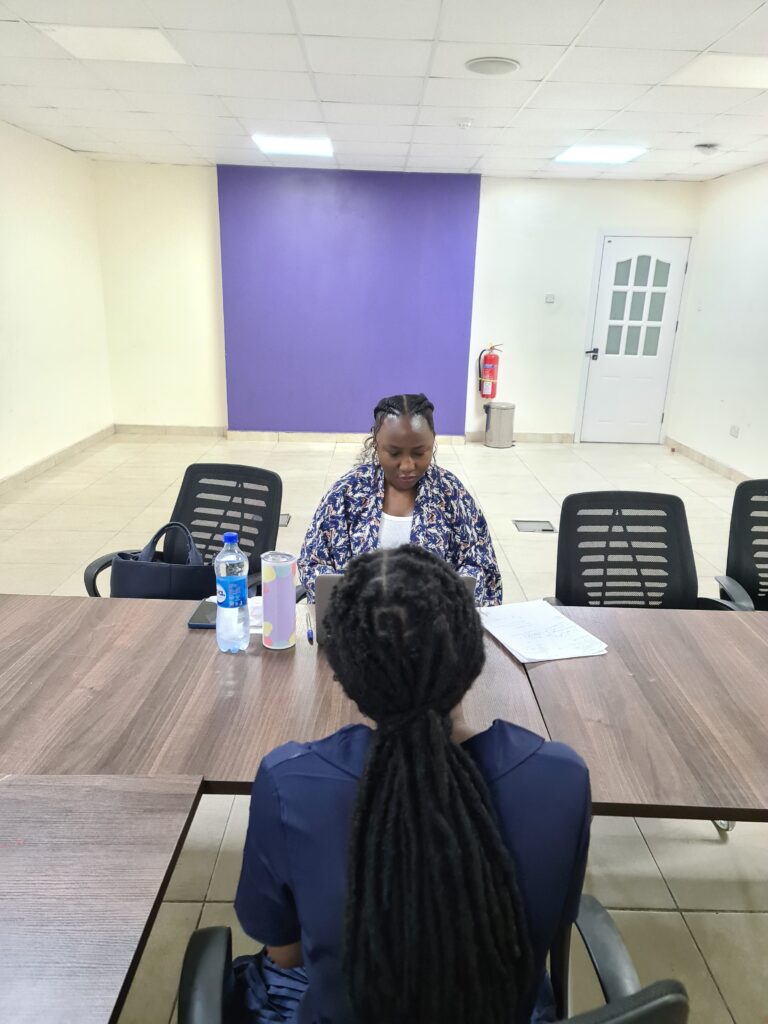
Sourcing tools and leveraging community groups to find the right candidates.
How do you handle the “government factor” (taxes, regulations, permits) in Nigeria?
It’s our responsibility to pay our tax. As a business one must comply.
What advice would you give to someone who wants to start the same kind of business as yours?
The sky is large enough to accommodate everybody.
What question do you wish aspiring entrepreneurs would ask you, and what’s your answer?
Does it get hard? Yes, it does but tough times don’t last, only tough people do.
SECTION G — IMPACT & LEGACY
Beyond the balance sheet.
Beyond making money, what problem does your business solve?
It provides job opportunities for people to become independent and provide a life for their families. Every adult in a family must find work to live a meaningful life.
How many Nigerian families depend on your business for their livelihood (including indirect dependents)?
Each successful placement supports a household — every candidate placed is one more Nigerian adult in meaningful work, supporting a family.
Do you manufacture or produce anything in Nigeria?
No.
Have you been able to mentor or support other entrepreneurs: How?
Not yet.
If your business disappeared tomorrow, who would miss it most and why?
Business owners.
What does “Made In Nigeria” mean to you personally?
Locally sourced and produced in Nigeria.
What kind of legacy do you want to leave through this business?
Impact lives. Placing candidates in the right business environment where they are valued.
SECTION H — THE FUTURE
What’s next?
Where do you see your business in 5 years?
Growth in terms of structure, processes and people.
What is the biggest goal you haven’t achieved yet?
Filling multiple positions for companies.
If you had access to unlimited capital tomorrow, what’s the first thing you would do?
Implement proper structure, processes and people.
What markets outside Nigeria are you eyeing for expansion?
Global market.
What new product or service are you excited about developing?
None at the moment.
What kind of support do you need most right now to reach the next level?
Partnerships and new clients.
SECTION I — THE HUMAN BEHIND THE BRAND
Personal & Reflective.
What do you do when you’re not working?
I love to travel and eat Chocolates.
What book, podcast, or movie has influenced your business thinking most?
Think and Grow Rich by Napoleon Hill.
What’s your favorite Nigerian food, and where do you get the best version of it?
Fried rice, salad, plantain and chicken.
Complete this sentence: “Most people don’t know that I…”
…enjoy Yoruba weddings and parties.
If you weren’t running this business, what would you be doing?
I want to see everyone succeed. I pray for my candidates to be selected by my clients.
What’s the best piece of advice you’ve ever received (business or personal)?
Never give up!
What song gets you through a tough day?
“I Get Backing” by Victoria Orenze.
If you could have dinner with any Nigerian, alive or dead, who would it be and why?
Ibukun Awosika. I love her entrepreneurial mindset. I would love to glean from her experiences and insights on how to run successful businesses and a home.
Conclusion: The Recruiter Who Bet on Her Own Word
Adedolamu Olaribigbe’s journey is a quiet lesson in what most founders overlook:
You don’t need capital to start. You need conviction, a network, and the discipline to deliver on what you promised — every single time.
Most founders chase the loud breakthroughs — the funding announcement, the viral product launch, the overnight pivot. Adedolamu built her business on the unglamorous opposite. Her words are her bond. Her timelines are her product. Her track record is her marketing budget.
When she walked away from a salaried Recruitment Manager role in 2020 with zero capital and a knowing in her gut, she wasn’t betting on a market trend. She was betting on her own competence — the playbook she had built quietly inside someone else’s company, the HR network she had earned, the conviction that the work she was already doing well could stand on its own.
Five years later, Talent Ace Ltd is the practical expression of that bet.
From a bedroom in Lagos to a recruitment firm operating between ₦5M and ₦25M in annual revenue — no investors, no startup loan, no inherited rolodex — she has spent five years proving that trust, timeliness, and people management are the highest-leverage skills in service-based business.
She is the founder of Talent Ace Ltd. A solo operator running lean from sourcing through onboarding. A recruiter whose clients keep coming back, mostly by referral. And by her own admission, she is only just getting started — eyeing structure, processes, people, and global markets next.
Because in a country where every adult must find meaningful work to support a family, the people who do recruitment with integrity don’t just place candidates.
They build households.
