

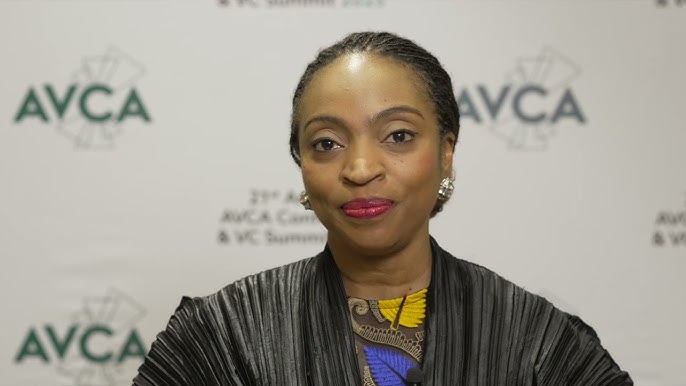
As the 14th World Trade Organisation (WTO) Ministerial Conference (MC14) approaches (March 26–29, 2026), Nigeria’s Minister of Industry, Trade and Investment, Dr. Jumoke Oduwole, has shifted into high-gear diplomacy. Her mission is clear: ensure that the global trade rules negotiated in Yaoundé, Cameroon, don’t just favor established economies but actively drive Nigeria’s industrialization and the African Continental Free Trade Area (AfCFTA).
Speaking at the 2026 Q1 meeting of the AfCFTA Central Coordination Committee (CCC), Oduwole emphasized that Nigeria is no longer just a participant in global trade—it is a “Digital Trade Champion” and a lead facilitator for international investment.
The “ABC” of Trade: Demystifying AfCFTA for MSMEs
A landmark highlight of the week was the unveiling of Volume 1 of the AfCFTA Business Connector (ABC) Simplified Tools. Recognizing that trade agreements are often buried in dense legal jargon, the CCC has “translated” the agreement into actionable guides for Nigerian businesses.
-
Multilingual Access: The tools have been translated into Hausa, Yoruba, Igbo, Pidgin, and Arabic to ensure that a trader in Kano or an artisan in Aba understands how to export under preferential tariffs.
-
Simplified Logistics: The guide provides a step-by-step roadmap for engaging government agencies, securing certifications, and accessing trade finance.
Africa’s Unified Front: The “Maputo Declaration”
Following her participation in the African Ministers of Trade (AMOT) meeting in Mozambique last month, Oduwole confirmed that Africa will head to MC14 with a consolidated Maputo Ministerial Declaration.
Africa’s 6 Priority “Must-Haves” for MC14:
-
WTO Reform: Restoring a fully functional, two-tier dispute settlement system to protect smaller nations from trade bullying.
-
Investment Facilitation: Adoption of the Investment Facilitation for Development Agreement (IFDA)—a session for which Oduwole has been appointed Ministerial Facilitator.
-
Agriculture & Food Security: New rules on Public Stockholding (PSH) to allow Nigeria to maintain food reserves without violating trade limits.
-
Digital Trade: Modernizing the e-commerce moratorium to allow African nations to build digital infrastructure and collect relevant taxes.
-
AU Status: Securing Permanent Observer Status for the African Union at the WTO.
-
Industrial Policy Space: Ensuring WTO rules don’t prevent African nations from using subsidies to build local manufacturing clusters.
From Federal Policy to State Clusters
Oduwole announced a Subnational Intervention Tour commencing in April 2026. The goal is to move trade policy out of Abuja and into the 774 Local Government Areas (LGAs). The ministry aims to identify at least one exportable product per LGA, ensuring that the “Renewed Hope” agenda translates into foreign exchange for rural communities.
“AfCFTA must move beyond federal-level coordination into our states, industrial clusters, and export corridors,” Oduwole stated. “Our productive base must reflect continental ambition.”
The P3 Momentum
The strategy is guided by the Public–Private–Press (P3) Summit held in late 2025. This framework ensures institutional accountability through a new Institutional Performance Barometer, which will publicly rank government agencies on how efficiently they facilitate trade.
