

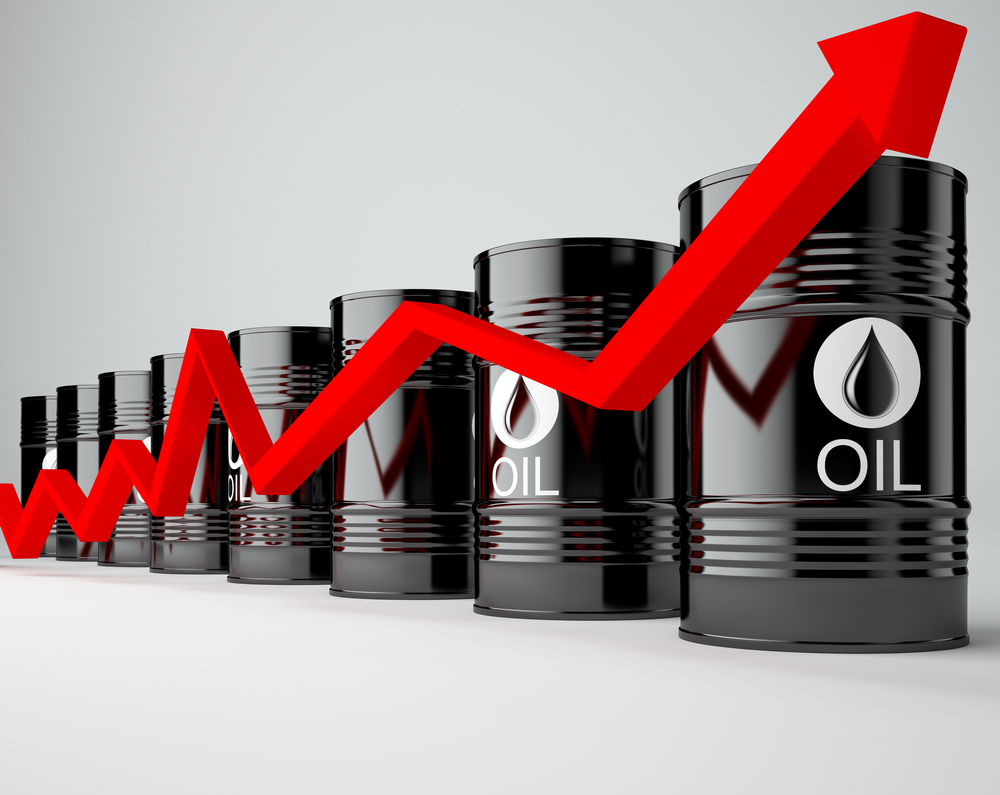
The escalating military conflict between the United States, Israel, and Iran has sent Brent crude—the benchmark for Nigerian oil—to a seven-month high, approaching $80 per barrel. For Nigeria, this geopolitical volatility coincides with a critical operational milestone: the debut of Cawthorne, a new light, sweet crude grade. This alignment of high global prices and expanded production capacity is set to provide a substantial fiscal windfall for Africa’s leading exporter.
The “War Premium” and Supply Chain Security
As military operations impact major Iranian cities and bring the Strait of Hormuz—through which 20% of global crude flows—into the conflict zone, the energy market is pricing in a significant risk premium.
Nigeria occupies a uniquely advantageous position in this crisis:
-
Structural Insulation: Unlike Middle Eastern producers, West African crude relies on Atlantic shipping lanes, making it physically immune to disruptions in the Strait of Hormuz.
-
Supply Diversification: European and Asian refiners are increasingly seeking Nigerian barrels as a secure alternative to Gulf supplies.
-
Price Support: Analysts predict that if supply disruptions in the Middle East materialize, Brent could surge past $80, providing “heavy lifting” for the Nigerian treasury.
Introducing Cawthorne: Expanding the Export Portfolio
The Nigerian National Petroleum Company (NNPC) is finalized to launch Cawthorne in late March 2026. This new stream is expected to bolster national output significantly.
-
Quality Profile: With an API gravity of 36.4, Cawthorne is a “sweet and light” grade comparable to Nigeria’s flagship Bonny Light. It offers high yields of essential fuels like gasoline and diesel.
-
Production Capacity: First loadings are scheduled for March 24–25 from a floating storage vessel in the Eastern Niger Delta with a 2.2-million-barrel capacity.
-
Output Projections: Experts at Kpler estimate this new stream could push Nigeria’s total crude and condensate production to 1.7 million barrels per day (bpd) by year-end.
Macroeconomic and OPEC+ Implications
Nigeria’s production has shown steady improvement, reaching 1.48 million bpd in January 2026. This recovery, combined with the current price surge, strengthens Abuja’s position within the global energy landscape:
-
Fiscal Windfall: High prices paired with increased volume will significantly boost foreign exchange inflows and government revenue.
-
OPEC+ Leverage: As global demand for “non-Gulf” barrels increases, Nigeria gains stronger leverage in its ongoing negotiations with OPEC+ to secure a higher production ceiling.
-
Market Competition: The high quality of Nigerian crude allows it to command premiums in European markets, directly competing with and replacing barrels from more volatile regions.
Conclusion: A Scripted Recovery
The timing of the Cawthorne launch amidst a global supply scare represents a rare moment of strategic alignment for the Nigerian oil sector. By providing a high-quality, secure alternative to Middle Eastern crude, Nigeria is not only stabilizing its own fiscal position but also playing a crucial role in global energy security during a period of intense regional conflict.
