

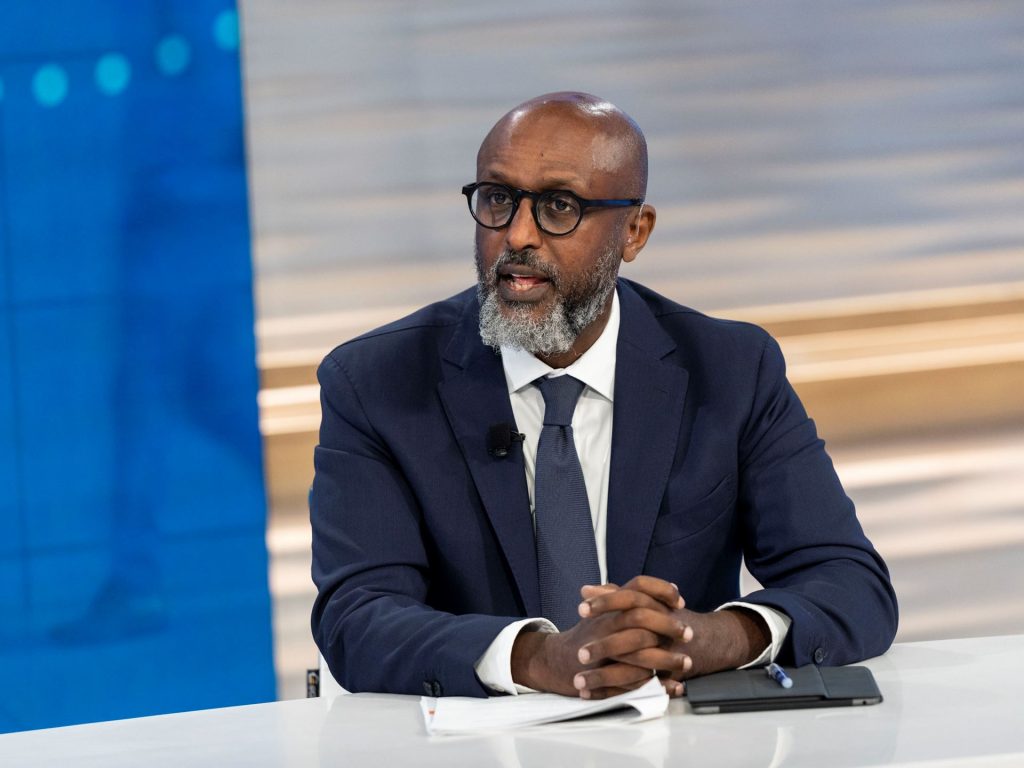
On January 7, 2026, IMF Managing Director Kristalina Georgieva announced that Abebe Aemro Selassie will retire as Director of the African Department (AFR) on May 1, 2026.1 His departure marks the end of a transformative decade-long leadership of the Fund’s most complex regional portfolio.
An Ethiopian national who joined the IMF in 1994, Selassie’s 32-year career has been defined by his role as a bridge between global financial architecture and African economic aspirations.
A Decade of Crisis and Reform (2016–2026)
Since taking the helm in 2016, Selassie steered the department through a period of unprecedented global shocks.4 His tenure is noted for several landmark achievements:
-
Expanding Africa’s Voice: He was a key advocate for the addition of a 25th chair for sub-Saharan Africa on the IMF Executive Board, significantly increasing the region’s voting power and representation.
-
Crisis Management: Under his leadership, the Fund disbursed over $60 billion in financial support to African nations since 2020 to mitigate the impacts of the COVID-19 pandemic and surging global inflation.6
-
Debt & Resilience: He championed the use of the Poverty Reduction and Growth Trust (PRGT) and the Resilience and Sustainability Trust (RST) to provide long-term, low-interest funding for climate-vulnerable and debt-stressed nations.
Career Milestones
Before becoming Director, Selassie held several high-stakes roles that shaped his diplomatic and economic expertise:
| Role | Key Focus |
| Senior Resident Rep (Uganda) | Ground-level economic monitoring and government advisory. |
| Mission Chief (Portugal) | Navigating the Euro Area crisis and implementing structural reforms. |
| Mission Chief (South Africa) | Oversight of the continent’s most industrialized economy. |
| Global Programs | Early career work in Turkey, Thailand, Romania, and Estonia. |
The Search for a Successor
As of January 14, 2026, the IMF has not yet named a successor.9 The transition comes at a critical time as African governments continue to push for a complete overhaul of the global financial system to address high debt burdens and climate financing gaps.10 Markets and policymakers will be watching closely to see if the next director continues Selassie’s “Africa-first” reformist approach.
“Abe’s trusted advice has been invaluable to me personally, and his leadership has strengthened our mission. His legacy is one of alignment with the aspirations of the people, especially the youth.”11 — Kristalina Georgieva, IMF Managing Director
