

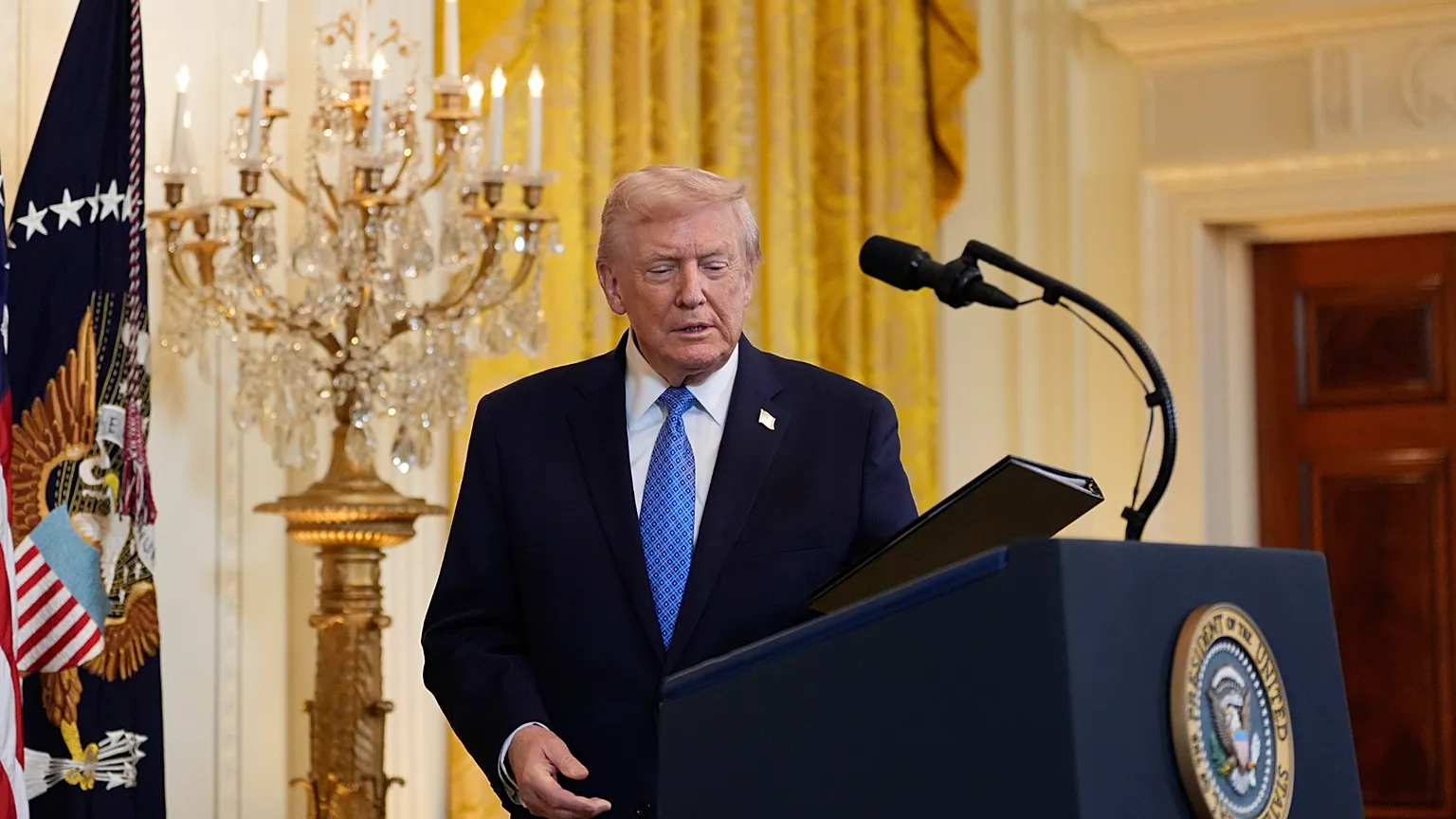
The United States government has announced a significant expansion of its travel restrictions, placing Nigeria under a “partial travel ban” effective January 1, 2026.1 This move, detailed in a new presidential proclamation, targets the most common visa categories used by Nigerians, effectively suspending the issuance of new visas for business, tourism, and education.
The decision is rooted in a stated need to enhance national security and address high visa overstay rates, marking a major shift in U.S.-Nigeria diplomatic and migration relations.
Impacted Visa Categories
The restrictions specifically target immigrant visas (permanent residency) and several key non-immigrant categories that account for the vast majority of Nigerian travel to the U.S.:
-
B-1/B-2: Business and Tourism.
-
F & M: Academic and Vocational Studies.
-
J: Exchange Programs (including researchers and short-term instructors).
The White House cited visa overstay data as a primary justification for these measures:
-
5.56% overstay rate for B-1/B-2 (Business/Tourism) visas.
-
11.90% overstay rate for F, M, and J (Student/Exchange) visas.
The Global and Regional Context
Nigeria is one of 39 countries now facing either full or partial travel bans under the Trump administration’s expanded policy.9 The policy divides affected nations into two tiers:
| Restriction Tier | Countries Impacted (Selected) | Suspension Details |
| Full Travel Ban | Burkina Faso, Mali, Niger, Syria, South Sudan, etc. | Entry suspended for all immigrants and non-immigrants. |
| Partial Travel Ban | Nigeria, Senegal, Tanzania, Zambia, Zimbabwe, etc. | Entry suspended for immigrants and B, F, M, J non-immigrants. |
Exemptions and Protections
The proclamation includes specific “carve-outs” to ensure certain groups remain unaffected:
-
Valid Visa Holders: Anyone holding a valid U.S. visa as of January 1, 2026, can still travel; no existing visas will be revoked.
-
Lawful Permanent Residents: Green card holders are exempt.
-
Diplomats & Officials: Holders of A-1, A-2, and G-category visas are not restricted.
-
Major Athletes: Teams and coaches traveling for events like the Olympics or World Cup.
-
Dual Nationals: Individuals traveling on a passport from a non-restricted country.
Security and Vetting Concerns
The administration justified the move by pointing to “severe deficiencies” in information-sharing and vetting.15 Specifically for Nigeria, the White House referenced the presence of groups like Boko Haram and the Islamic State (ISWAP), arguing that regional instability makes it difficult for U.S. authorities to properly screen travelers.
While Nigerian officials have pushed back, citing the violence as “broader criminality” rather than religious persecution, the U.S. maintains that these “hard resets” are necessary to protect national security and enforce immigration laws.
